Asthma and Painkillers: What You Need to Know About Risks and Alternatives
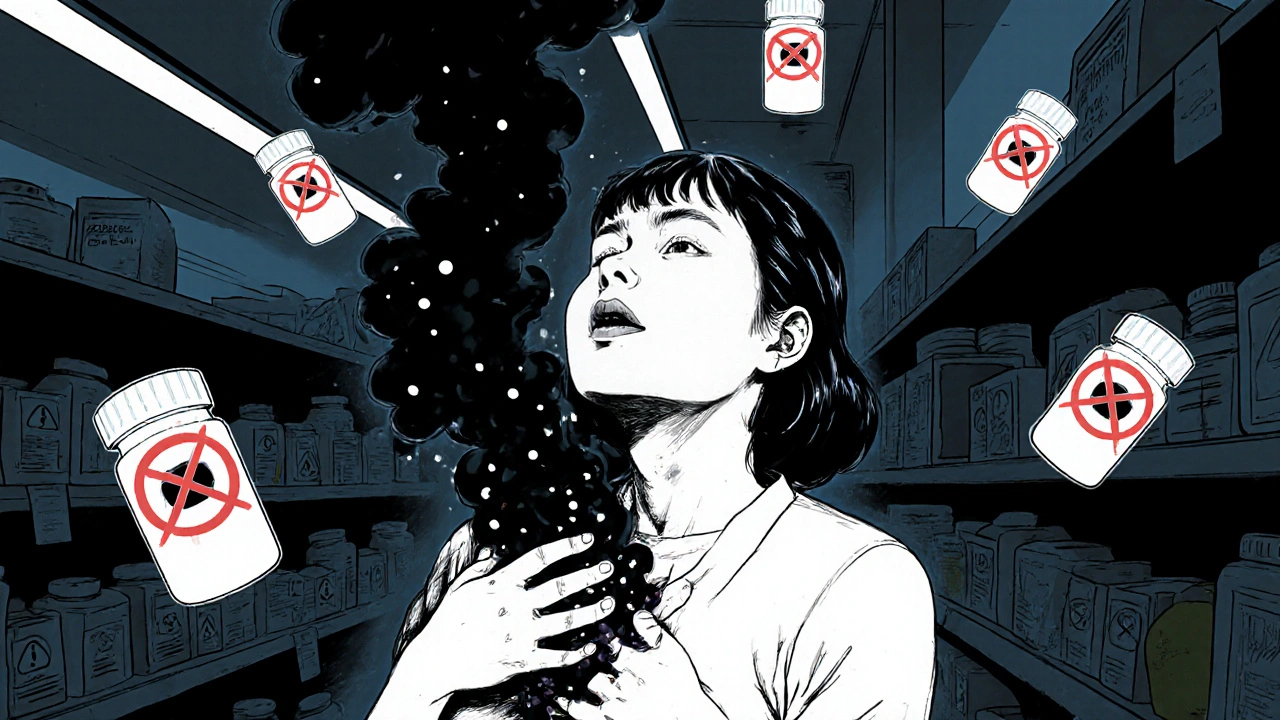
When you have asthma, a chronic condition that causes airways to narrow and swell, making breathing difficult. It’s not just about inhalers and triggers like pollen or cold air — some everyday painkillers, medications used to relieve pain, including common over-the-counter options can make it worse. For many people with asthma, taking NSAIDs, nonsteroidal anti-inflammatory drugs like ibuprofen or naproxen can cause sudden breathing problems, wheezing, or even a full asthma attack. This isn’t rare — studies show up to 1 in 5 adults with asthma react badly to these drugs. It’s not an allergy in the traditional sense, but a physical reaction triggered by how the body processes these chemicals.
Why does this happen? NSAIDs block enzymes that help control inflammation, but in people with asthma, that disruption can cause excess production of substances that tighten airways. Aspirin is especially risky, but ibuprofen and naproxen aren’t much safer. Even if you’ve taken them before without issues, your sensitivity can change over time. That’s why it’s not enough to just avoid the ones you know bother you — you need to know what to look for on labels. Acetaminophen (Tylenol) is usually the safer choice for pain or fever in asthma patients, but even that isn’t risk-free if you’re taking other meds or have liver problems. And don’t forget that some cold and flu products hide NSAIDs under different names, so always check the active ingredients.
What about other pain relief? If you’re dealing with chronic pain from arthritis or injury, you might need more than just pills. Physical therapy, heat wraps, or even certain nerve-targeted treatments can help reduce reliance on medications. If you’re on steroids for asthma control, mixing them with NSAIDs can increase stomach bleeding risk — something your doctor should track. And if you’ve ever had a bad reaction, make sure your allergy list includes "NSAID-induced asthma" — not just "penicillin allergy" — so every provider knows what to avoid.
The posts below give you real, practical advice on how to navigate this. You’ll find guides on cleaning your inhaler to keep it working right, what to do when your meds run out, how to update your drug allergy list with every doctor you see, and why some generic painkillers can behave differently than others — even if they have the same name. There’s no guessing here. Just clear, tested info to help you manage pain without putting your breathing at risk.
Health and Medicine
9
Comments
NSAID Sensitivity and Asthma: What Patients Should Watch
About 7% of asthma patients react dangerously to common painkillers like aspirin and ibuprofen. Learn the signs of NSAID-sensitive asthma, who’s at risk, what medications are safe, and how to avoid life-threatening reactions.
About
Health and Medicine
Latest Posts


Buy Cheap Generic Zovirax Online - Safe Guide & Best Prices
By Orion Kingsworth Sep 28, 2025

Buy Cheap Generic Effexor Online - Safe Guide & Top Pharmacy Picks
By Orion Kingsworth Oct 5, 2025

Generic Appearance Changes: Why Your Pill Color and Shape Keep Changing
By Orion Kingsworth Jan 19, 2026
