Generic Medications: What They Are, Why They Fail, and How to Stay Safe
When you pick up a prescription and see a different name on the bottle, it’s probably a generic medication, a drug that contains the same active ingredient as a brand-name version but is sold without the brand label. Also known as non-brand drugs, they’re meant to be cheaper copies that work the same way—and for most people, they do. But not always. When a generic fails, it’s not just inconvenient—it can be dangerous, especially for drugs with a narrow therapeutic index like warfarin or levothyroxine.
Behind every generic drug is a complex system. Authorized generics, exact copies made by the original brand company and sold under a different label, are often the most reliable because they come from the same factory as the brand-name version. But most generics you get are made by third-party manufacturers, some overseas. Nitrosamine contamination, a group of cancer-causing chemicals found in some blood pressure and diabetes meds, led to over 500 FDA recalls since 2018—not because of poor quality control, but because of how cheaply these drugs are made. China produces 80% of the world’s active ingredients, and FDA inspections keep finding problems with data integrity, unclean facilities, and unapproved processes. This isn’t about all generics—it’s about the ones slipping through the cracks.
Even when a generic is safe, it might not work for you. Generic drug failure, when a generic doesn’t control your condition like the brand did happens more often than you think. It’s not always your fault. Sometimes the inactive ingredients change how the drug is absorbed. Sometimes the batch is off. And sometimes, your body just reacts differently. That’s why some states push generic prescribing incentives, policies that lower copays for generics to encourage doctors to prescribe them—but these can backfire if patients get switched too often or aren’t monitored. If you’re on a drug where even a small change can cause harm, ask your pharmacist if you’re getting an authorized generic. Keep track of pill color, shape, and markings. If something feels off, speak up.
What you’ll find below isn’t just a list of articles—it’s a practical guide to navigating the real world of generic drugs. From how to spot a bad batch to why some people can’t tolerate certain generics, from what regulators are doing (and not doing) to how to talk to your doctor about switching safely. These posts don’t sugarcoat it. They show you what’s broken, what’s working, and what you need to know to protect yourself.
Medications
11
Comments
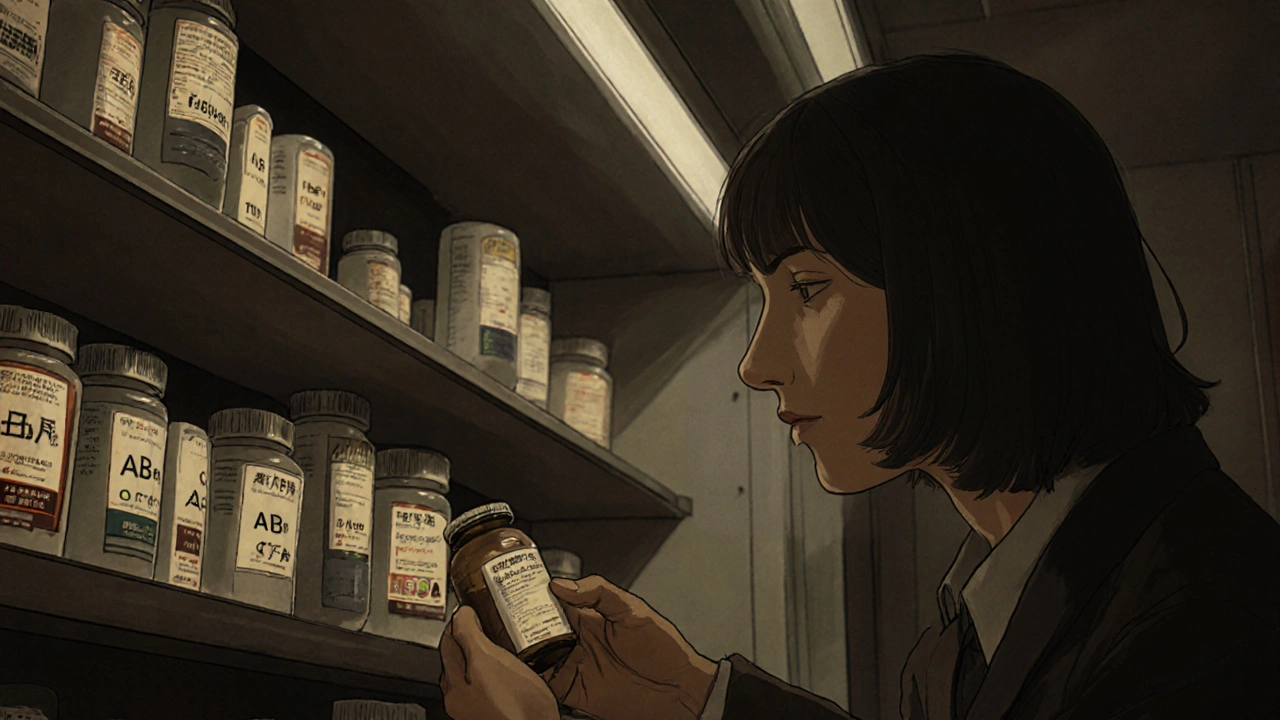
How to Choose Between Generic Medications for the Same Drug
Learn how to choose between multiple generic medications safely. Understand bioequivalence, therapeutic ratings, and when to stick with one manufacturer to avoid health risks.
About
Medications
Latest Posts


Borderline Personality Disorder: DBT Skills and Crisis Planning
By Orion Kingsworth Jan 3, 2026
Experience the Magic of Kombucha Tea: Nature's Most Potent Dietary Supplement
By Orion Kingsworth Jun 12, 2023

Irritable Bowel Syndrome: How the Gut-Brain Axis Causes Symptoms and How to Find Relief
By Orion Kingsworth Dec 22, 2025