Herbal Remedies: What Works, What Doesn’t, and When to Be Careful
When people talk about herbal remedies, natural substances used to treat or prevent health issues, often without a prescription. Also known as botanical medicine, they’re used for everything from sleep troubles to anxiety. But just because something is natural doesn’t mean it’s harmless. Many assume herbs like St. John’s Wort or echinacea are safe because they’re sold over the counter. The truth? They can be just as risky as prescription drugs—especially when mixed with other medications.
St. John’s Wort, a popular herb for mild depression, is one of the most dangerous herbs people take without knowing the risks. It can trigger serotonin syndrome when combined with SSRIs—something that’s been documented in emergency rooms. And it doesn’t just interfere with antidepressants. It can make birth control fail, reduce the effectiveness of blood thinners, and even mess with chemotherapy drugs. This isn’t theory—it’s real, life-threatening interaction data.
Another issue? herbal supplements, products marketed as natural health aids but rarely held to the same standards as pharmaceuticals. There’s no guarantee what’s in the bottle. One batch might have the right amount of active ingredient; the next might be contaminated with heavy metals, pesticides, or even hidden prescription drugs. The FDA has pulled dozens of supplements off shelves for exactly this reason. And since herbal products aren’t required to prove they work before selling, you’re often guessing.
Some herbs do have solid evidence—like ginger for nausea or peppermint oil for IBS. But even those come with caveats. Ginger can thin your blood. Peppermint oil can worsen heartburn in some people. And if you’re on blood pressure meds, licorice root can spike your blood pressure dangerously. The problem isn’t the herb itself—it’s the lack of clear guidance. Most people don’t tell their doctor they’re taking them. And doctors rarely ask.
What you’ll find in the posts below isn’t a list of ‘best herbs.’ It’s a reality check. You’ll see how St. John’s Wort clashes with common antidepressants, why some people react badly to herbal mixtures, and how even ‘safe’ supplements can cause serious side effects when combined with other meds. There’s also coverage of how herbal products are regulated—or not—and why some brands are safer than others. This isn’t about pushing you away from natural options. It’s about helping you use them without risking your health.
Health and Wellness
11
Comments
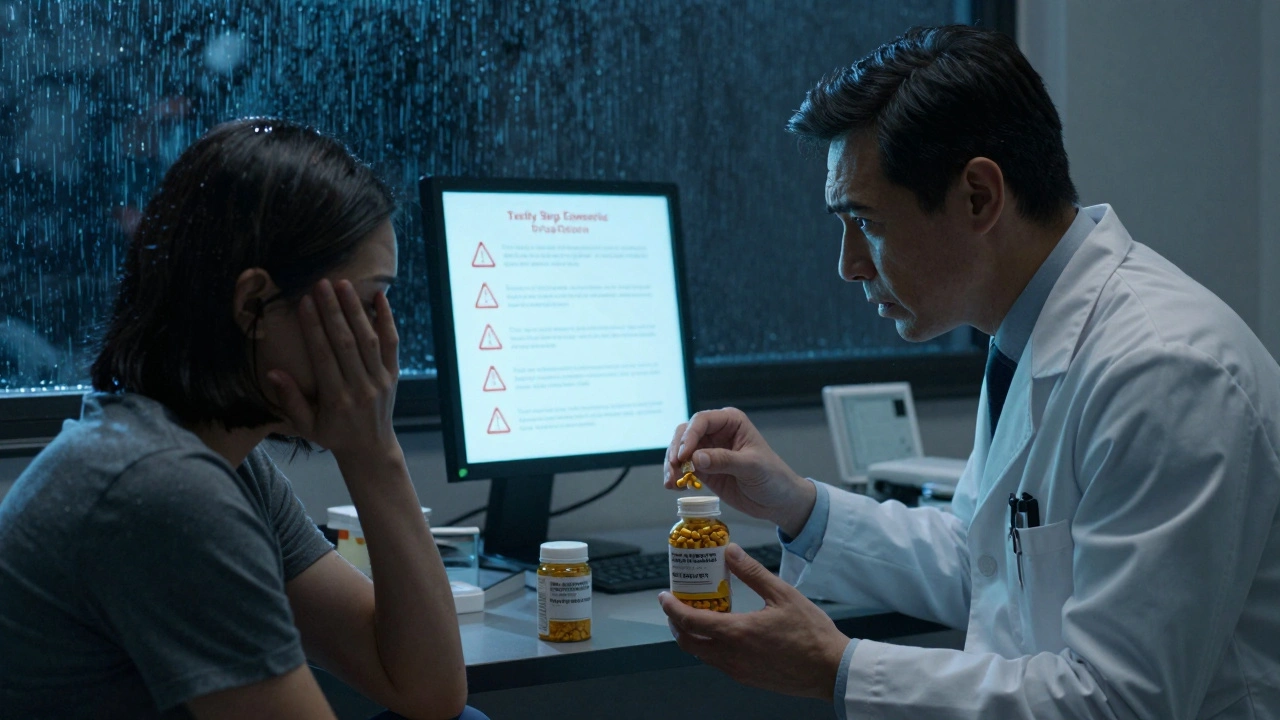
Why You Must Tell Your Doctor About Every Supplement and Herbal Remedy You Take
Many people take supplements without telling their doctor - but this can be dangerous. Learn why disclosing herbal remedies and vitamins is critical to avoid harmful interactions with medications and ensure safe, effective care.
About
Health and Wellness
Latest Posts


Avanafil vs Other ED Drugs: Detailed Comparison with Top Alternatives
By Orion Kingsworth Sep 27, 2025

The Connection Between Muscle Stiffness and Chronic Pain Conditions
By Orion Kingsworth Jun 18, 2023
Embrace a Healthier Lifestyle with American Dogwood: The All-Star Dietary Supplement that Delivers Results!
By Orion Kingsworth Jul 16, 2023