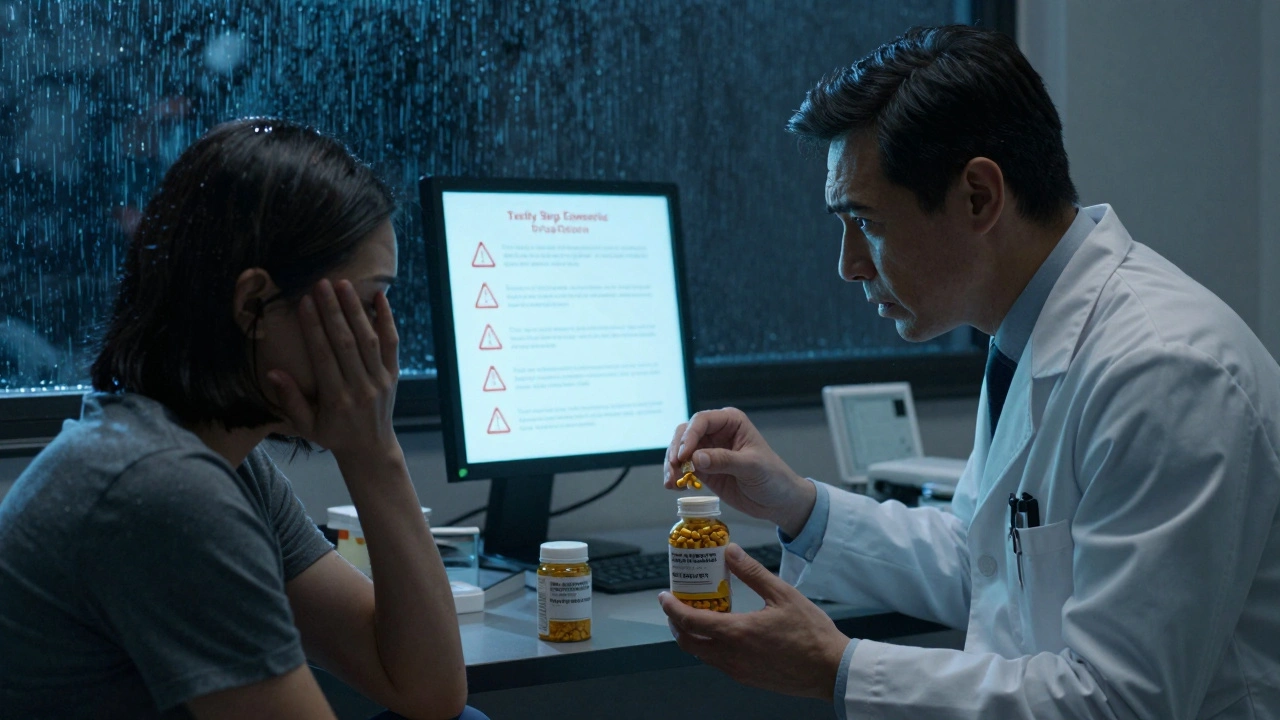
Every year, millions of people take vitamins, herbal teas, turmeric capsules, or fish oil pills thinking they’re harmless. After all, they’re natural, right? But here’s the truth: supplements aren’t harmless. And if you’re not telling your doctor about them, you could be putting your health at serious risk.
Most People Don’t Tell Their Doctors - But They Should
A 2023 study found that only about one in three people who take herbal or dietary supplements actually tell their doctor. That means two out of three are flying blind - not just for themselves, but for their care team too. This isn’t just about forgetting to mention it at the end of a rushed appointment. It’s about a deep misunderstanding of what supplements really are. Many assume that because supplements are sold over the counter, they’re safe. But the FDA doesn’t test them before they hit the shelf. Unlike prescription drugs, there’s no requirement for manufacturers to prove safety or effectiveness before selling. All they need is a label that says: “Not evaluated by the FDA. Not intended to diagnose, treat, cure, or prevent any disease.” That’s it. So when someone takes St. John’s wort for low mood, or garlic pills to lower blood pressure, or turmeric for joint pain, they have no idea if it’s interacting with their blood thinner, antidepressant, or diabetes medication. And their doctor? They’re guessing.What Happens When You Don’t Disclose
The risks aren’t theoretical. They’re documented. In one case, a man in Sydney was scheduled for minor knee surgery. He’d been taking garlic supplements for years - thinking it helped his circulation. He never mentioned it. During the procedure, he started bleeding uncontrollably. The surgeon had to pause and stabilize him. It turned out garlic acts like a blood thinner. When combined with anesthesia and surgical stress, it became dangerous. St. John’s wort is another big one. It’s popular for mild depression. But it can make birth control pills useless. It can knock out the effect of antidepressants, chemotherapy drugs, and even heart medications. One study showed it reduces blood levels of certain drugs by up to 60%. That’s not a minor side effect - that’s treatment failure. Even something as simple as vitamin K can interfere with warfarin, a common blood thinner. Too much vitamin K, and the drug stops working. Too little, and you risk dangerous clots. Your doctor needs to know what you’re taking to adjust your dose properly.Why Do People Stay Silent?
There are three main reasons people don’t tell their doctor:- They think it’s not important. “It’s just a pill,” they say. “It’s not real medicine.” But herbal remedies can be just as powerful as prescription drugs - and just as risky.
- They fear judgment. Some worry their doctor will tell them to stop. Or worse, think they’re foolish for taking “alternative” stuff. But the truth? Doctors see this every day. They’re not here to shame you. They’re here to keep you safe.
- No one asked. A 2021 study found that when doctors didn’t ask directly, only 13% of patients volunteered the information. But when providers asked: “What supplements or herbs are you taking right now?” - disclosure jumped to over 75%.

How to Talk to Your Provider - Without Feeling Awkward
You don’t need a script. But you do need to be ready. Bring your bottles. Seriously. Don’t rely on memory. Take a photo of the label, or better yet - bring the actual bottle to your appointment. That way, your doctor can see the exact ingredients, dosages, and brand. Many supplements are mislabeled or contain hidden ingredients. A bottle makes it real. Say something simple: “I’ve been taking [name] for [reason]. I’m not sure if it’s safe with my other meds. Can we check?” You don’t have to defend your choices. You don’t have to justify why you took them. Just state the facts. Your doctor’s job isn’t to judge - it’s to protect you. If your provider seems dismissive, don’t give up. Say: “I’ve read that some herbs can interact with medications. I’d feel better knowing you’re aware of what I’m taking.”What Your Doctor Needs to Know
Don’t just say “I take vitamins.” Be specific. List:- Every supplement - even if you only take it once a week
- Herbal teas (like chamomile, ginger, or peppermint if you drink them daily)
- Essential oils taken internally (yes, some people do this)
- Probiotics, amino acids, protein powders with added herbs
- Anything bought online, from a health store, or recommended by a friend
What About Integrative Doctors?
Some people turn to naturopaths, acupuncturists, or integrative practitioners who specialize in supplements. That’s fine - but it doesn’t replace your primary care doctor. These providers often don’t have access to your full medical history, lab results, or prescription records. Your main doctor needs to know everything so they can coordinate your care. A 2021 study found that integrative practitioners document supplement use in 92% of cases. Primary care doctors? Only 38%. That gap is dangerous. You need both sides of the picture.
Technology Can Help - But It’s Not a Replacement
Apps like MyMedList let you track all your meds and supplements in one place. You can share a report with your doctor. That’s helpful. But apps don’t replace conversation. A digital list won’t explain why you started taking ashwagandha. A doctor can’t ask follow-up questions if they’re just reading a PDF. Use tech to prepare. But talk in person.It’s Not Just About Safety - It’s About Trust
When patients do disclose, 78% say their doctor gave them useful advice. 63% said it made them trust their provider more. That’s huge. Your doctor isn’t your enemy. They’re your partner. And they can’t help you fully if they’re missing half the story. The idea that supplements are “natural” and therefore safe is outdated. The truth is: everything your body processes - whether it’s aspirin, insulin, or elderberry syrup - has biological effects. And those effects can clash.What You Can Do Today
1. Look through your medicine cabinet. Write down every supplement and herb you take - even if you think it’s unimportant. 2. Bring the bottles to your next appointment. Don’t rely on memory. 3. Ask your doctor: “Do any of these interact with my medications?” Say it out loud. 4. Update your list every time you start or stop something. Supplements change. So should your list. 5. If your doctor doesn’t ask - ask them. You’re in charge of your health. Don’t wait for them to bring it up. The system isn’t perfect. Doctors are busy. Labels are confusing. But your safety doesn’t depend on the system working right. It depends on you speaking up. You’ve already taken the first step by reading this. Now take the next one. Bring your bottle. Ask the question. Protect your health - one honest conversation at a time.Do I really need to tell my doctor about vitamins and fish oil?
Yes. Even common supplements like fish oil, vitamin D, or multivitamins can interact with medications. Fish oil can thin your blood, which is risky if you’re on warfarin or aspirin. Vitamin K can interfere with blood thinners. Your doctor needs to know everything you’re taking - not just the “strong” stuff.
What if my doctor says supplements are useless?
That’s their opinion - but your job is to be transparent. You don’t need their approval to take something. But you do need them to know about it so they can check for risks. Even if they’re skeptical, they can still warn you about dangerous interactions. Keep the conversation focused on safety, not belief.
Can herbal remedies cause liver damage?
Yes. Several herbs, including green tea extract, kava, and comfrey, have been linked to liver injury. The FDA has issued warnings on multiple herbal products for this reason. Because supplements aren’t tested before sale, there’s no way to know if a product is contaminated or too potent. Your doctor can monitor your liver function if you’re taking these regularly.
Should I stop taking supplements before surgery?
Often, yes. Many supplements - like garlic, ginkgo, ginger, and echinacea - can increase bleeding risk. Others may interfere with anesthesia. Most surgeons recommend stopping all non-essential supplements at least one to two weeks before surgery. Always tell your surgical team what you take - even if they don’t ask.
Is it safe to take supplements with prescription drugs?
Some are, many aren’t. St. John’s wort, for example, can make birth control, antidepressants, and heart meds stop working. Turmeric can boost the effect of blood thinners. There’s no universal rule - it depends on the drug, the herb, the dose, and your health. Only your doctor, with full information, can give you a safe answer.
What if I forgot to mention a supplement and now I feel weird?
Don’t wait. Call your doctor or pharmacist right away. Symptoms like dizziness, nausea, unusual bruising, or changes in heart rate could signal an interaction. Bring the supplement bottle with you. Even if it’s been days, it’s still urgent. Early detection can prevent serious harm.





Girish Padia
December 2, 2025 at 22:54
People still think 'natural' means safe? That’s like saying 'organic poison' is fine because it’s grown in a garden. Supplements aren’t candy. They’re bioactive compounds with real pharmacological effects. If you’re on blood thinners, don’t toss garlic pills like they’re M&Ms.