Nitrosamine Contamination: What It Is, Why It Matters, and How It Affects Your Medications
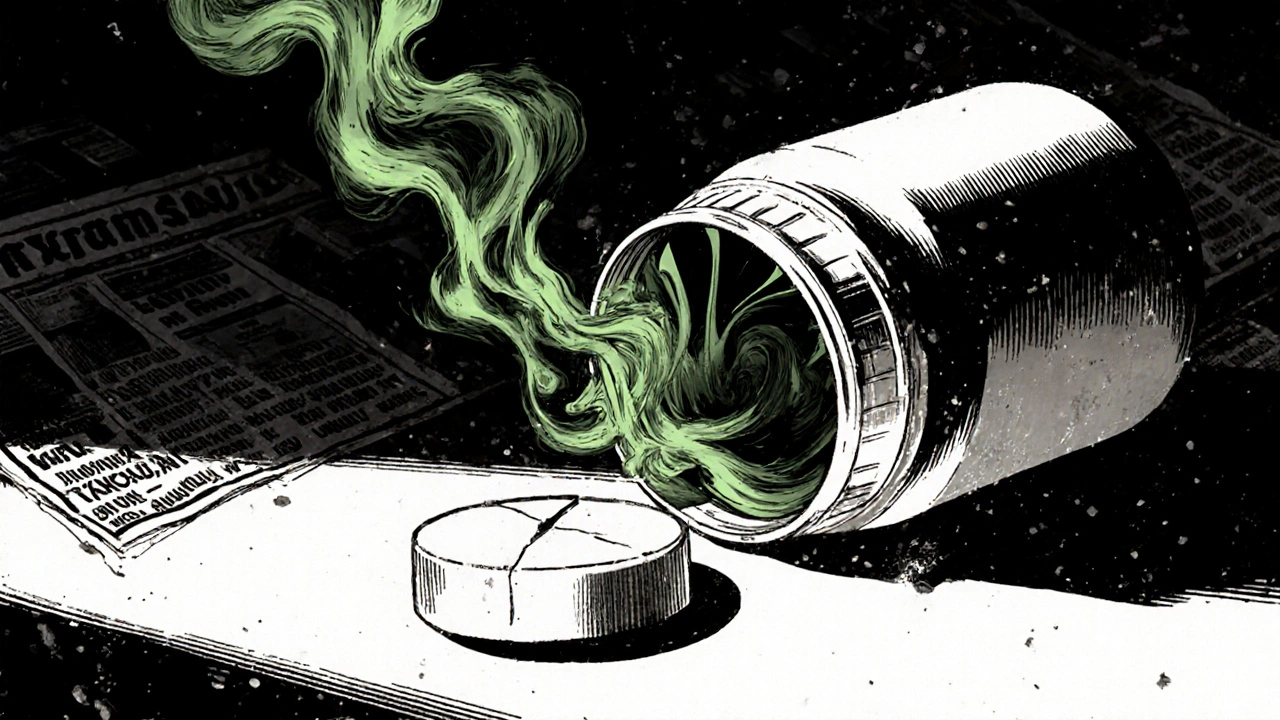
When you take a pill, you expect it to help—not hurt. But nitrosamine contamination, a class of carcinogenic impurities that can form during drug manufacturing. Also known as N-nitrosamines, these chemicals have been found in common blood pressure meds, diabetes drugs, and even heartburn treatments, raising serious safety concerns. They don’t show up on labels. They aren’t listed as ingredients. And they can build up slowly over time, increasing cancer risk without any obvious symptoms.
This isn’t theoretical. The FDA, the U.S. agency responsible for monitoring drug safety and enforcing manufacturing standards. Also known as U.S. Food and Drug Administration, it has issued over 50 recalls since 2018 because of nitrosamines in medicines like valsartan, ranitidine, and metformin. These aren’t rare generics—they’re widely used, often prescribed daily. Even worse, contamination often comes from changes in how the active ingredient is made, especially in facilities overseas. Chinese generic drug production, responsible for 80% of the world’s raw drug ingredients. Also known as API manufacturing in China, it has repeatedly failed inspections for purity controls, making it a major source of these hidden toxins.
What makes nitrosamine contamination so dangerous is how quiet it is. You won’t feel sick right away. No rash. No nausea. Just a slow, silent risk that grows with every pill you take. That’s why knowing which drugs have been recalled—and which ones might still be at risk—isn’t just helpful, it’s life-saving. The problem isn’t limited to one country or one company. It’s tied to how the global drug supply chain works: cost-cutting, rushed production, and outdated testing methods. And while the FDA has improved its detection tools, many patients still get meds that haven’t been properly screened.
So what can you do? Start by checking if your medication was ever recalled. Look up your drug’s name on the FDA’s recall list. Ask your pharmacist if your prescription was made by a facility with past violations. And if you’re on a long-term drug like metformin or losartan, don’t panic—but do stay informed. Switching to an authorized generic or a brand-name version might reduce your risk, since those often have tighter quality controls. You don’t need to stop your medicine unless your doctor says so, but you do need to know what’s in it.
Behind every recall is a story: a lab that skipped a test, a supplier that cut corners, a batch that slipped through. The system isn’t broken—it’s overwhelmed. And patients are paying the price. That’s why the posts here focus on real-world drug safety issues: from how generics can fail to why FDA alerts lag behind the truth. You’ll find guides on how to track recalls, understand labeling changes, and spot red flags in your prescriptions. This isn’t about fear. It’s about power. Knowing what’s in your medicine lets you take control.
Medications
9
Comments
Nitrosamine Contamination in Generic Drugs: Recent Recalls and Regulatory Shifts
Nitrosamine contamination in generic drugs has led to over 500 FDA recalls since 2018. Learn which medications were affected, why it happened, how regulators responded, and what it means for your health.
About
Medications
Latest Posts

Benzodiazepines and Birth Defect Risks: What Pregnant Women Need to Know
By Orion Kingsworth Feb 7, 2026

Compare Isofair (Isotretinoin) with Alternatives for Acne Treatment
By Orion Kingsworth Nov 1, 2025

Retin A 0.025% (Tretinoin) vs Alternatives: A Practical Comparison
By Orion Kingsworth Oct 19, 2025