Therapeutic Failure: Why Medications Stop Working and What to Do Next
When a drug that once helped no longer works, you’re facing therapeutic failure, the point at which a prescribed treatment no longer produces the expected clinical benefit. This isn’t rare—it happens in up to 30% of patients on long-term meds, from antibiotics to antidepressants to blood pressure drugs. Also known as treatment resistance, it’s not about you failing to comply—it’s about biology, chemistry, and sometimes, the system itself.
Therapeutic failure shows up in many forms. It’s the C. difficile, a gut infection triggered by antibiotics that wipes out good bacteria and thrives when the original treatment fails that comes back after three rounds of pills. It’s the statin, a cholesterol-lowering drug that causes muscle pain so bad you quit, even though your numbers look fine. It’s the antihistamine, an allergy medicine like Zyrtec or Claritin that stops working after a few seasons, leaving you sneezing through spring. These aren’t isolated cases—they’re symptoms of deeper issues: drug resistance, genetic differences, poor absorption, or even contaminated generics.
Why does this happen? Sometimes, your body changes. Bacteria evolve. Your liver metabolizes drugs faster. Or the pill you’re taking isn’t as strong as you think—nitrosamine contamination, a toxic impurity found in some generic drugs has led to over 500 recalls since 2018, quietly weakening doses without anyone noticing. Other times, it’s not the drug—it’s the diagnosis. Mislabeling an allergy, missing an autoimmune trigger, or ignoring drug interactions like St. John’s Wort, a supplement that can cancel out SSRIs and cause serotonin syndrome—all these turn a simple treatment into a failed one.
You don’t have to accept this. Recognizing therapeutic failure early means asking the right questions: Did the effect fade over time? Did symptoms return after a dose change? Were there new meds added that could interfere? Did you switch to a cheaper generic without checking its source? The posts below cover real cases where people hit this wall—and how they got back on track. From genetic tests that explain why statins wrecked their muscles, to fecal transplants that fixed antibiotic-resistant infections, to how to verify your allergy list so you don’t get hit with a dangerous reaction—you’ll find actionable fixes, not just theory.
Medications
14
Comments
Therapeutic Failures: When a Generic Drug Doesn't Work as Expected
Generic drugs are supposed to be safe, affordable copies of brand-name meds - but when they fail, the results can be deadly. Learn why some generics don’t work as expected and what you can do to protect yourself.
About
Medications
Latest Posts

Dose-Related vs Non-Dose-Related Side Effects: What You Need to Know in Pharmacology
By Orion Kingsworth Dec 31, 2025
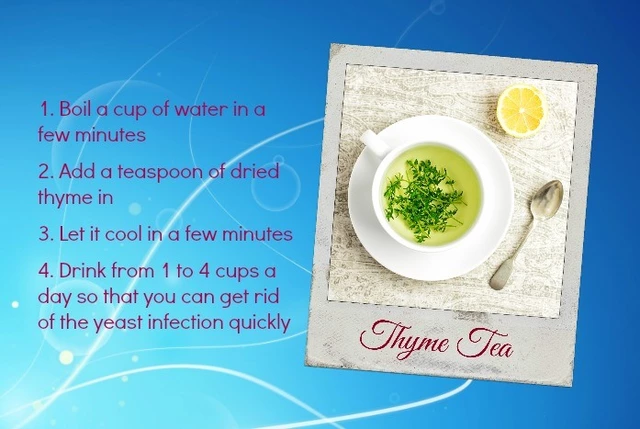
Home Remedies for Yeast Infections of the Skin: What Works and What Doesn't
By Orion Kingsworth May 6, 2023
The Relationship Between Bisoprolol Fumarate and Anxiety
By Orion Kingsworth Apr 27, 2023