Author: Orion Kingsworth

Medications
0
Comments
MedlinePlus Drug Information: Consumer-Friendly Safety Summaries
Explore MedlinePlus Drug Information, a trusted government resource for medication safety. Learn how to access consumer-friendly summaries, verify credibility, and compare it to other health tools.

Medications
1
Comments
Monitoring While on Statins: What Lab Tests You Really Need and When
Learn the real lab tests needed while on statins-no more unnecessary liver checks. Evidence-based guidelines for safe, effective monitoring without overtesting.

Medications
4
Comments
Steroid-Induced Hyperglycemia: How to Adjust Diabetes Medications Safely
Steroid-induced hyperglycemia affects up to 40% of patients on corticosteroids. Learn how to adjust insulin doses based on steroid type, timing, and tapering to prevent dangerous highs and lows in diabetes management.

Medications
7
Comments
Bempedoic Acid Side Effects: Gout, Tendon Risks, and What You Need to Know
Bempedoic acid (Nexletol) helps lower cholesterol for statin-intolerant patients but carries risks of gout, tendon rupture, and liver enzyme spikes. Know the signs, when to test, and how to stay safe.

Medications
11
Comments
Multiple Generics: How Competitors Enter After the First Generic Drug Market Entrant
After the first generic drug enters the market, a cascade of competitors follows-each one driving prices lower. Learn how patent exclusivity, authorized generics, PBM contracts, and manufacturing bottlenecks shape the real battle for generic drug dominance.

Medications
13
Comments
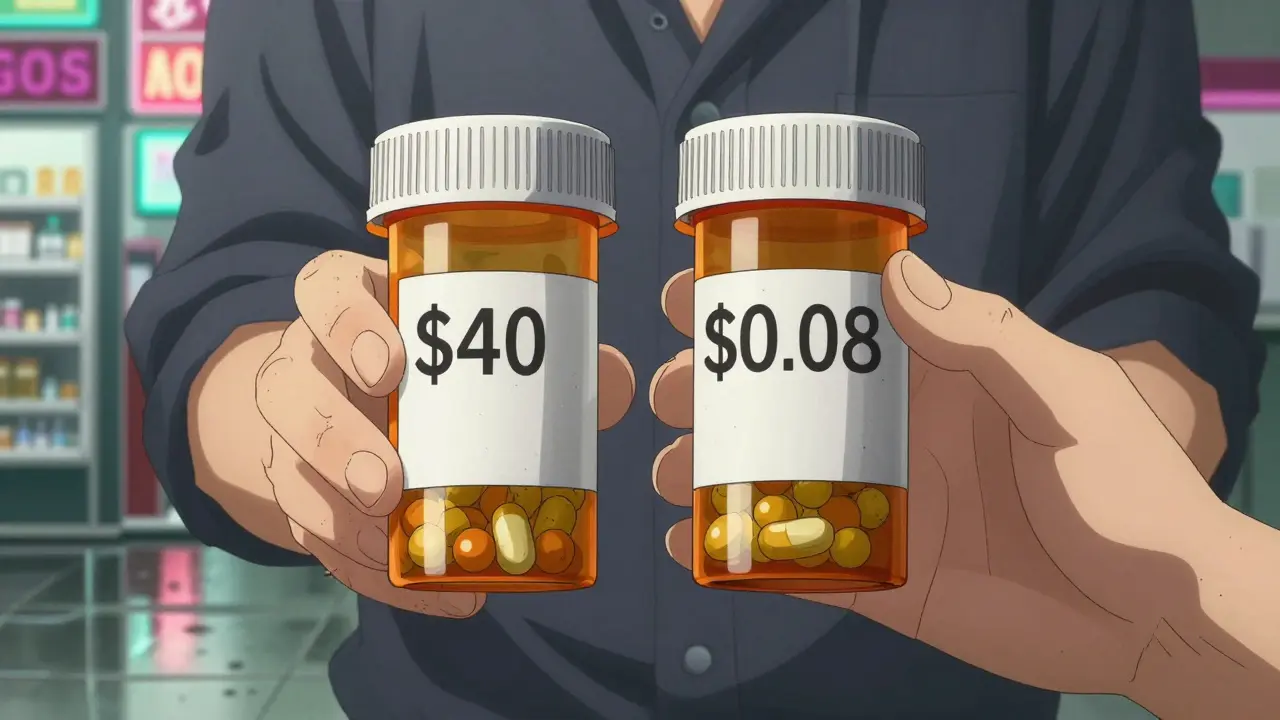
Price and Efficacy: Why Cheaper Drugs Feel Less Effective
Why do cheaper drugs feel less effective-even when they’re chemically identical? The answer isn’t in the pill. It’s in your brain. Learn how price shapes perception and what really affects medication outcomes.
Medications
12
Comments
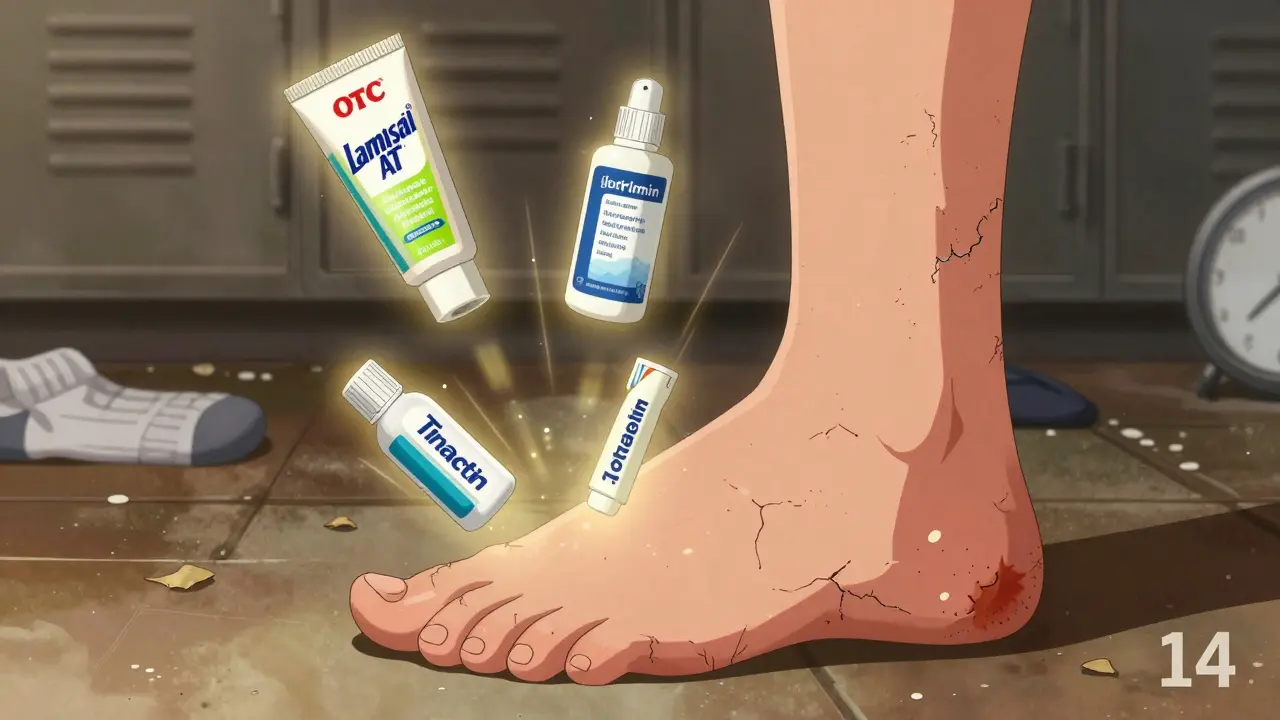
OTC Athlete’s Foot Treatments: Safe and Effective Use Guide
OTC athlete’s foot treatments like terbinafine and clotrimazole work well when used correctly. Learn which products are most effective, how to apply them, and how to prevent recurrence.
Medications
10
Comments
How Generic Combinations Save Money: Comparing Individual Generics vs. Combination Drugs
Generic combination drugs can save you hundreds per month-but only if you know how to find them. Learn how to spot overpriced generics and switch to cheaper alternatives with the same effect.

Health and Medicine
0
Comments
Hepatitis A: What You Need to Know About Infection, Prevention, and Recovery
Hepatitis A is a contagious liver infection that causes fatigue, jaundice, and nausea - but it’s preventable and rarely leads to long-term damage. Learn how it spreads, how long recovery takes, and why the vaccine is essential for everyone.

Health and Medicine
15
Comments
Liquid Biopsy: How Circulating Tumor DNA Is Changing Cancer Monitoring
Liquid biopsy using circulating tumor DNA (ctDNA) is transforming cancer care by offering a non-invasive way to monitor treatment response, detect resistance, and catch recurrence earlier than scans. Here's how it works - and where it's making a real difference.
- 1
- 2
- 3
- 4
- …
- 22
About
Medications, Health and Medicine
Latest Posts


Udenafil in Bodybuilding: Myths, Facts, and Benefits
By Orion Kingsworth Sep 8, 2024

Genetic Factors in Statin Tolerance: How Pharmacogenomics Testing Can Help You Stay on Your Medication
By Orion Kingsworth Oct 27, 2025

Preventive Measures for Building Resilient Pharmaceutical Supply Chains to Prevent Drug Shortages
By Orion Kingsworth Dec 23, 2025