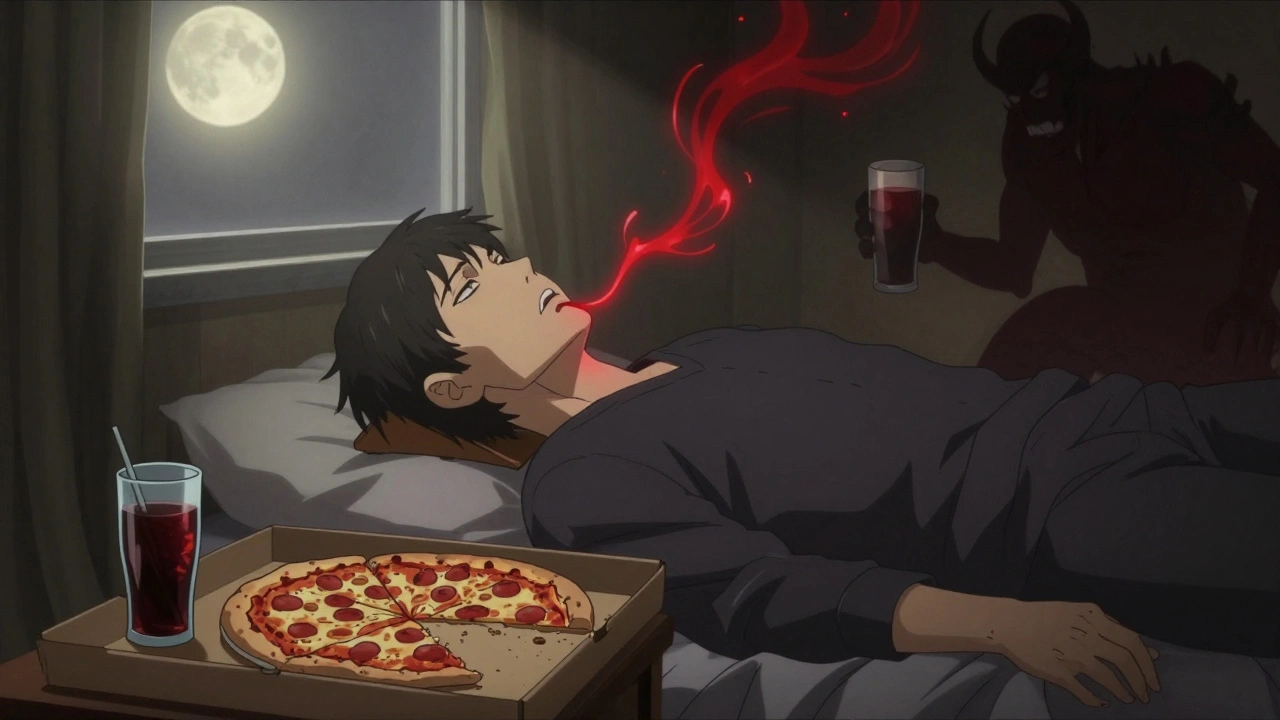
What Is GERD, Really?
GERD isn’t just occasional heartburn. It’s when stomach acid keeps flowing back into your esophagus, irritating the lining and causing discomfort more than twice a week. About 1 in 5 people in the U.S. deal with this daily. Over time, it can lead to serious problems like esophagitis, strictures, or even Barrett’s esophagus - a condition that slightly increases the risk of esophageal cancer. The good news? Most people can get control of it without surgery.
Start with Lifestyle Changes - They Work
Before you reach for any pill, try these five lifestyle fixes. They’re backed by clinical studies and work for most people.
- Elevate your head while sleeping. Use blocks or a wedge pillow to raise the head of your bed by 6 inches. This uses gravity to keep acid where it belongs. Lying flat after eating increases reflux by 50%.
- Avoid lying down for three hours after meals. Your stomach needs time to empty. If you eat dinner at 7 p.m., wait until 10 p.m. before going to bed.
- Loosen your belt and lose weight. Every 10% of body weight lost leads to a 40% drop in GERD symptoms. Even modest weight loss helps - you don’t need to become an athlete.
- Quit smoking. Smoking weakens the muscle that keeps acid in your stomach. Within 20 minutes of your last cigarette, that muscle starts to recover.
- Limit alcohol. More than two drinks a day lowers the pressure in your lower esophageal sphincter by 25%. Wine, beer, and spirits all do this.
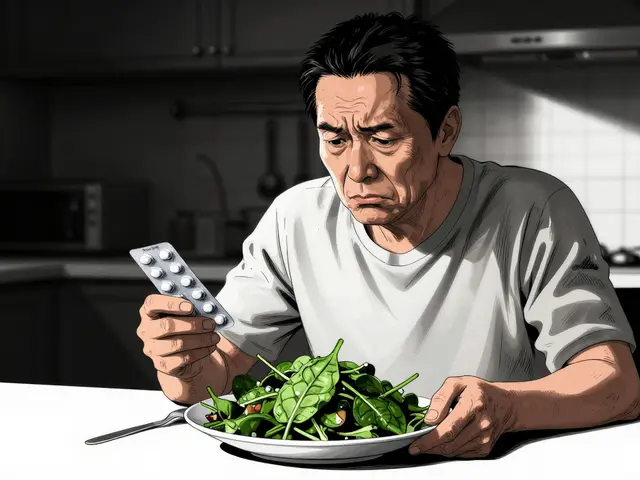
What Foods Trigger GERD? (It’s Not What You Think)
Not everyone reacts the same way to food. But some triggers show up again and again in studies.
- Fatty foods. Meals with more than 30g of fat delay stomach emptying by 40-60 minutes. That means acid sits longer, waiting to back up. Skip fried chicken, creamy pasta, and full-fat cheese.
- Caffeine. Coffee, tea, energy drinks - they boost stomach acid production by 23% within 30 minutes. Try switching to decaf or herbal teas like chamomile.
- Chocolate. It contains methylxanthine, which relaxes your lower esophageal sphincter. Dark chocolate isn’t safer than milk chocolate here.
- Peppermint and spearmint. They may help digestion, but they also relax the sphincter. Avoid mint tea, gum, or candy if you’re refluxing.
- Citrus and tomatoes. Oranges, lemons, grapefruit, tomato sauce, salsa - these are acidic (pH 2-4.6) and directly irritate the esophagus. Even if they don’t cause heartburn, they can make healing slower.
- Carbonated drinks. Soda and sparkling water puff up your stomach, pushing acid upward. The pressure increase is 15-20 mmHg - enough to force acid past the sphincter.
Keep a food diary for two weeks. Write down what you eat, when, and how you feel afterward. Most people find 2-3 personal triggers. That’s your list to avoid.
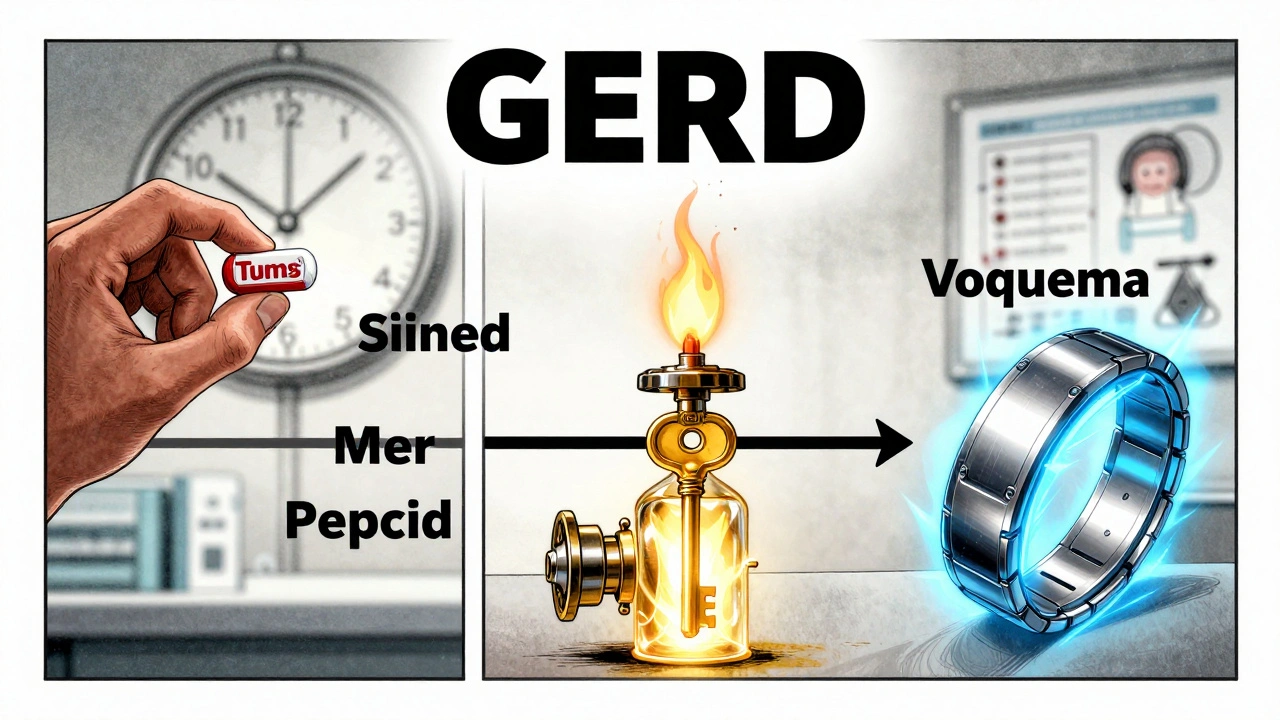
Medications: From Antacids to P-CABs
When lifestyle changes aren’t enough, medications step in. There’s a clear order of progression.
Stage I: Antacids (Tums, Rolaids)
These neutralize acid fast - within minutes. But they only last 30-60 minutes. Great for sudden heartburn after a meal, but useless for long-term control.
Stage II: H2 Blockers (Pepcid, Zantac)
Famotidine (Pepcid) cuts acid production by 60-70%. Takes about an hour to start working. Good for mild symptoms or nighttime relief. You can take it as needed, but it’s not strong enough for daily, severe reflux.
Stage III: Proton Pump Inhibitors (PPIs) - The Gold Standard
These are the most powerful acid blockers. Esomeprazole (Nexium), omeprazole (Prilosec), lansoprazole (Prevacid) - they reduce acid by 90-98%. They’re the first choice if you have erosive esophagitis or daily symptoms.
Take them 30-60 minutes before your first meal. That’s when your stomach’s acid pumps are waking up. Taking them after eating? You’re wasting the dose. A 2023 Mayo Clinic study found 40% of patients don’t get relief because they take PPIs at the wrong time.
Most people heal in 6-8 weeks. But long-term use (over a year) comes with risks: higher chance of pneumonia, C. diff infection, kidney issues, and low magnesium or B12 levels. Get blood tests every 6 months if you’ve been on them longer than a year.
Stage IV: New Kid on the Block - P-CABs (Voquezna)
Approved by the FDA in December 2023, vonoprazan (Voquezna) is the newest option. It works faster and lasts longer than PPIs. In studies, 95% of patients kept their stomach pH above 4 for a full day - compared to just 65% with PPIs. It’s especially good for nighttime reflux, which affects 70% of PPI users.
In early 2024, Takeda reported over 120,000 new prescriptions. It’s not cheap, but it’s changing the game for people who don’t respond to PPIs.
Surgery: When Pills Aren’t Enough
If you’ve tried everything and still feel the burn, surgery might be the answer. Two main options exist.
Laparoscopic Nissen Fundoplication
This is the classic procedure. Surgeons wrap the top of your stomach around your esophagus to reinforce the valve. Success rate? 90-95% at 5 years. But 5-10% of people have trouble swallowing afterward, and 15-20% get bloated from trapped gas. It’s effective - but not without trade-offs.
LINX Reflux Management System
This is a tiny bracelet of magnetic titanium beads placed around the lower esophagus. It lets food pass through but snaps shut to block acid. In 85% of patients, it’s still working at 5 years - and most stop daily PPIs. Side effects? A small number report trouble swallowing large pills. It’s not for people who need future MRIs.
Transoral Incisionless Fundoplication (TIF)
This is done through the mouth, no cuts needed. It’s less invasive but only 70-75% effective at 3 years. And there are only about 127 certified doctors in the U.S. as of early 2025. It’s not widely available yet.
Real People, Real Results
Reddit’s r/GERD community has over 142,000 members. One user, u/HeartburnWarrior, says: “I cut fat to under 20g a day and raised my bed. No meds. No symptoms.” Another, u/AcidRefluxSufferer, tried PPIs for five years - then got the LINX device. “Two years symptom-free,” he wrote.
On Trustpilot, the LINX device has a 78% positive rating. But 22% say they still feel bloated or have swallowing issues. No treatment is perfect. The key is finding what works for you.
What’s Next for GERD Treatment?
The market for GERD meds hit $7.2 billion in 2023. PPIs still make up 65% of that. But things are shifting. The FDA approved vonoprazan for long-term use in May 2024. The LINX device got expanded approval for people with BMI up to 40 in July 2024. And the American College of Gastroenterology is finalizing new guidelines for late 2025 - with more focus on non-acid reflux and personalized diets.
Obesity rates are rising. By 2030, nearly half of U.S. adults will be overweight or obese - a major driver of GERD. Experts predict 15-20% of patients will choose surgery over lifelong pills by then.
Final Takeaways
- Start with lifestyle. Diet, sleep position, weight, and smoking matter more than you think.
- Food triggers vary. Keep a diary. Find your personal list.
- PPIs work, but timing matters. Take them before breakfast - not after.
- Long-term PPI use needs monitoring. Get blood tests for magnesium and B12.
- Voquezna is a game-changer. If PPIs aren’t working, ask your doctor about it.
- Surgery isn’t last resort - it’s an option. LINX offers freedom from pills for many.
GERD isn’t a life sentence. With the right mix of changes and treatment, most people live symptom-free. You don’t have to just tolerate it - you can beat it.




Shannara Jenkins
December 2, 2025 at 10:22
Just wanted to say this post saved my life. I was on PPIs for 6 years and didn’t realize I was taking them after meals. Started elevating my bed and cutting out soda - no more midnight burning. Thank you for the clarity.