
What Is Seasonal Affective Disorder?
Seasonal Affective Disorder, or SAD, isn’t just feeling a little down in winter. It’s a real type of depression that shows up every year around the same time-usually in late fall and lasts through winter. People with SAD don’t just dislike the cold or the dark. They feel exhausted, crave carbs, sleep too much, and lose interest in things they usually enjoy. Some can’t even get out of bed. The American Psychiatric Association says about 5% of U.S. adults have it, and it hits women harder than men, especially between ages 25 and 45.
Unlike regular depression, SAD follows a pattern. It comes back every winter and lifts when spring arrives. That’s because it’s tied to changes in daylight. Less sunlight messes with your body’s internal clock-your circadian rhythm-and lowers serotonin, the chemical that affects mood. It also boosts melatonin, the sleep hormone, which is why you feel sluggish even after a full night’s rest.
How Light Therapy Works
Light therapy isn’t just sitting near a bright lamp. It’s a specific treatment using a device that mimics natural sunlight. The standard device, called a light box, gives off 10,000 lux of light-bright enough to trick your brain into thinking it’s morning. You don’t need to stare at it. Just sit 16 to 24 inches away, with the light hitting your eyes indirectly, while you read, drink coffee, or check your phone.
This exposure tells your brain to cut back on melatonin and start producing serotonin. Within days, many people notice more energy, better focus, and fewer cravings. Studies show it works faster than antidepressants. While pills might take 4 to 6 weeks to kick in, light therapy often brings relief in just 1 to 2 weeks.
What the Research Says
Since the 1980s, when Dr. Norman Rosenthal first tested it, light therapy has been backed by solid science. A 2024 meta-analysis in JAMA Psychiatry reviewed 11 studies with over 850 people and found that 50 to 60% of those with SAD went into remission using daily light therapy. That’s as effective as antidepressants like fluoxetine-but without the nausea, weight gain, or sexual side effects.
In one head-to-head trial, patients using light therapy felt better by week two, while those on medication didn’t catch up until week eight. Another study showed 61% of users reached remission with light therapy, compared to just 32% with a fake device. And it’s not just for SAD. The same 2024 study found light therapy helped 41% of people with non-seasonal depression, compared to 23% in the control group.
Choosing the Right Light Box
Not all light boxes are made the same. The ones that work best deliver 10,000 lux at a safe distance. Avoid cheap ones sold on Amazon that don’t meet standards-Consumer Reports found 37% of non-certified devices don’t even hit their advertised brightness. Look for models that filter out UV light. The American Academy of Ophthalmology warns UV exposure can damage your eyes.
Most reliable brands-like Carex, Verilux, and Northern Light-offer boxes that cost between $100 and $200. Premium models with dawn simulation, which slowly brightens before you wake up, run up to $300. You don’t need the fanciest one. Just make sure it says it emits 10,000 lux, has UV protection, and is certified by the Center for Environmental Therapeutics (CET).

How to Use It Correctly
Timing matters more than you think. The best results come from using the light box within the first hour after waking. Morning light resets your body clock. Evening light can mess with sleep. Dr. Michael Terman’s research found 68% of people improved with morning use, versus 47% with evening use.
Here’s the simple routine:
- Set up your light box on a table, 16 to 24 inches from your face.
- Position it slightly to the side-not directly in front.
- Turn it on and sit nearby with your eyes open. You can read, eat, or work, but don’t stare at the light.
- Use it for 30 minutes every day, even on weekends.
- Stick with it for at least two weeks before deciding if it works.
Some people feel eye strain or headaches at first. That usually fades. If it doesn’t, try moving the box farther away or shortening sessions to 20 minutes. Most users adapt within a few days.
Who Should Avoid It
Light therapy is safe for most people-including pregnant women and older adults. But it’s not for everyone. If you have bipolar disorder, light therapy can trigger mania. About 5 to 10% of people with bipolar disorder experience this risk. Talk to your doctor before starting if you’ve ever had manic episodes.
People with certain eye conditions-like glaucoma, macular degeneration, or diabetic retinopathy-should also check with an ophthalmologist. Even though the light is filtered, it’s not risk-free for damaged retinas.
And if your depression is severe, light therapy alone may not be enough. It works best as a first-line treatment for mild to moderate SAD. For deeper depression, doctors often combine it with talk therapy or medication.
Real People, Real Results
On Reddit’s SAD community, users share stories that match the science. One person wrote: “After 5 days of using my light box, I stopped feeling like I was dragging through mud. My energy came back. I started cooking again.” Another said: “I tried three different boxes. None worked. Just eye strain and wasted money.”
On Amazon, the Carex Day-Light Classic Plus has over 2,800 reviews with a 4.4-star rating. About 68% of reviewers say they saw a big improvement in mood within two weeks. Common praises: “No more afternoon naps,” “I stopped craving sweets,” and “I didn’t need my antidepressant anymore.”
But 39% of users quit because it was too hard to stick with. “I kept forgetting,” said one. “Or I slept through my alarm.” That’s why dawn simulators-devices that gradually brighten your room before you wake-are growing in popularity. They make it easier to start the day naturally.
What’s Next for Light Therapy
Light therapy is expanding beyond winter depression. In June 2024, a study showed it helped 54% of pregnant women with depression-offering a safe alternative to medication. The FDA even approved the first prescription light device in February 2024 for treatment-resistant depression.
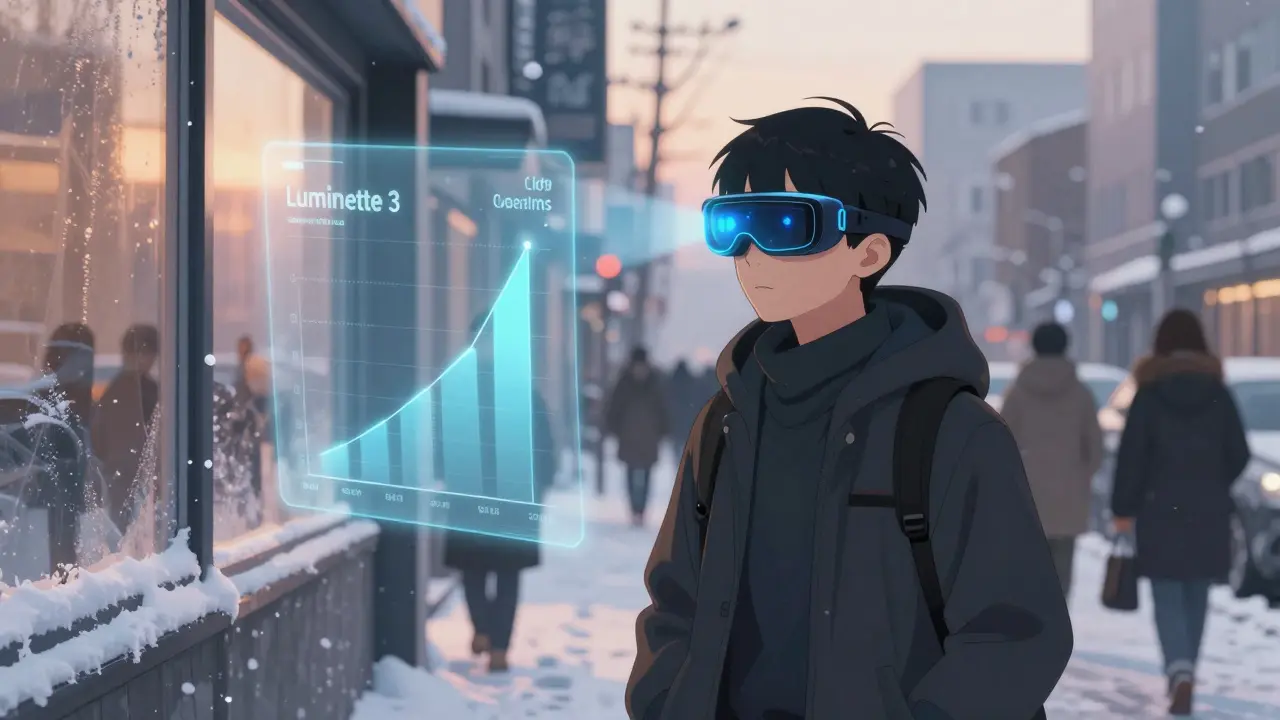
Companies are now building wearable light therapy glasses, like Luminette 3, which let you move around while getting light. Sales of these devices jumped 200% in 2023. Smart home systems like Philips SmartSleep are also adding light therapy features.
Future tech might even personalize your light schedule. Stanford researchers are testing AI systems that adjust brightness and timing based on your body’s natural rhythms-using data from sleep trackers and blood tests. That could make light therapy even more effective.
Is It Worth It?
Light therapy costs $100 to $200 upfront. Most insurance plans don’t cover it-only 18% do as of 2024. But if you’ve spent hundreds on antidepressants, therapy, or missed work because of winter blues, it pays for itself. The National Alliance on Mental Illness found 61% of users kept using it long-term because it worked.
It’s not magic. It won’t fix everything. But for millions of people stuck in winter depression, it’s the one thing that actually lifts the fog. No pills. No side effects. Just light-and the simple act of sitting by it every morning.
When to Call a Doctor
If your symptoms last longer than two weeks, get worse, or include thoughts of self-harm, talk to a mental health professional. Light therapy helps with SAD, but it’s not a cure-all. Depression can be complex. A doctor can help you decide if light therapy is right for you-or if you need something else.
Can light therapy help with non-seasonal depression?
Yes. A 2024 study in JAMA Psychiatry found that 41% of people with non-seasonal major depression went into remission using daily light therapy, compared to 23% in the control group. While it’s best known for winter depression, it’s now being used for other types of depression too-especially when medication isn’t an option.
How long does it take to feel better with light therapy?
Most people notice improvements within 1 to 2 weeks. Some feel more energy in just a few days. But it’s important to use the light box every day, even on weekends. Skipping days can delay results. If you don’t see any change after 4 weeks, talk to your doctor about adjusting the timing, intensity, or trying another approach.
Do I need to stare at the light box?
No. In fact, staring directly at the light can cause eye strain. The goal is to have the light enter your eyes indirectly. Sit 16 to 24 inches away, position the box slightly to the side, and keep your eyes open while doing something else-reading, eating, or working. You don’t need to be still or focused on the light.
Are there side effects from light therapy?
Side effects are rare and usually mild. The most common are eye strain, headaches, or feeling slightly jittery. These often go away after a few days. If they don’t, try moving the light farther away or reducing session time. People with bipolar disorder should use caution-light therapy can trigger mania in 5 to 10% of cases. Always check with your doctor if you have eye conditions or a history of mania.
Can I use a regular lamp or daylight bulb instead?
No. Regular lamps, even bright LED bulbs, don’t deliver the right intensity or spectrum. Therapeutic light boxes provide 10,000 lux at a safe distance, which is about 20 times brighter than a typical indoor light. A regular lamp might give you 500 lux at best. That’s not enough to affect your brain’s chemistry. Also, many household bulbs emit UV light, which can harm your eyes. Only use devices designed specifically for light therapy.
Is light therapy covered by insurance?
Most insurance plans don’t cover light boxes yet. Only about 18% of U.S. health plans pay for them as of 2024. But some, like Aetna, will cover up to $200 if you have a doctor’s note. Check with your provider. Even without coverage, many people find it worth the out-of-pocket cost-especially compared to ongoing medication expenses or lost productivity.
Can children or teens use light therapy?
Yes, but under supervision. Studies show light therapy is safe and effective for adolescents with SAD. The same 10,000 lux, 30-minute morning protocol applies. Parents should help ensure consistent use and watch for side effects. Always consult a pediatrician or child psychiatrist before starting treatment for someone under 18.
What’s the difference between a dawn simulator and a light box?
A dawn simulator gradually brightens your room over 30 to 60 minutes before your alarm, mimicking a natural sunrise. It helps you wake up more easily and can improve mood. A light box delivers intense, direct light while you’re awake-used for 30 minutes after waking. They work differently but can be used together. Dawn simulators are great for people who struggle to get out of bed; light boxes are better for fixing mood and energy during the day.




Anthony Massirman
February 4, 2026 at 01:03
Light therapy? Yeah, I tried it. Didn't work. Just made my eyes hurt and I still felt like garbage. Save your money.