Chinese Generic Drugs: What You Need to Know About Quality, Safety, and Alternatives
When you buy a Chinese generic drug, a medication manufactured in China and sold under a non-brand name, often at a fraction of the cost of U.S. or European versions. Also known as offshore generics, these drugs are widely used in global supply chains—but not all are created equal. Many patients rely on them because of lower prices, especially for chronic conditions like high blood pressure, diabetes, or erectile dysfunction. But behind the savings is a complicated story of manufacturing standards, regulatory gaps, and hidden risks.
One major concern is nitrosamine contamination, a class of cancer-causing impurities found in some generic drugs, including those made in China. Since 2018, over 500 FDA recalls have been linked to these impurities, and a significant portion came from Chinese factories. These aren’t random mistakes—they often stem from outdated chemical processes, poor quality control, or pressure to cut costs. Another issue is bioequivalence, how closely a generic matches the brand-name drug in absorption and effect. For drugs with a narrow therapeutic index—like warfarin, thyroid meds, or seizure drugs—even small differences can cause serious side effects or treatment failure.
Some Chinese generics are perfectly safe and meet international standards. But without transparent testing or consistent oversight, it’s hard to know which ones are which. Authorized generics—made by the same company as the brand-name drug but sold under a different label—are often a safer bet. Meanwhile, regulators like the FDA and EMA have increased inspections, but many facilities still operate with little public scrutiny. Patients aren’t always told where their pills come from, and pharmacists may not have full visibility into the supply chain.
If you’re taking a generic drug made in China, pay attention to changes in how you feel. Did your blood pressure suddenly spike? Did your headache get worse after switching pills? These could be signs your medication isn’t working the same way. Keep your medication list updated, ask your pharmacist about the manufacturer, and report any unusual reactions. You’re not being paranoid—you’re being smart.
Below, you’ll find real cases and expert insights on what’s gone wrong, what’s being done about it, and how to make smarter choices when it comes to your meds. From FDA recalls to therapeutic failures, these posts give you the facts you need to stay safe without paying more.
Medications
15
Comments
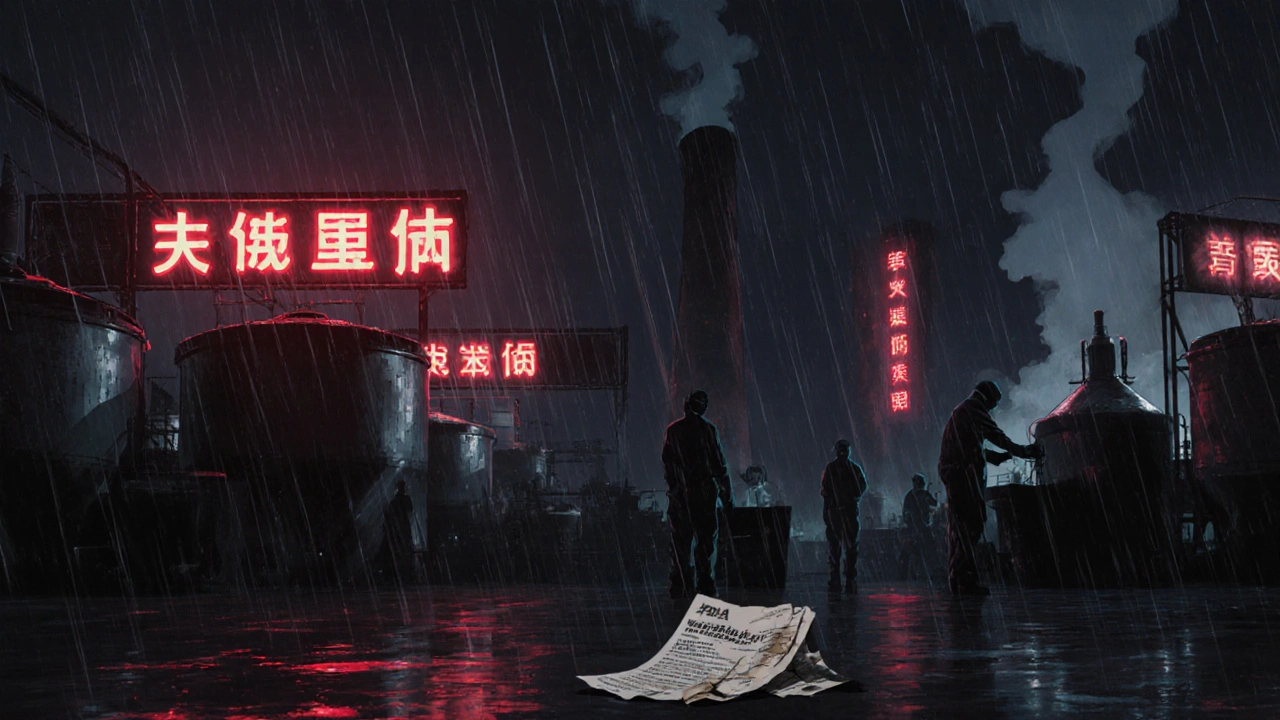
Chinese Generic Production: Manufacturing and Quality Concerns
China produces 80% of the world's generic drug ingredients, but quality issues persist. FDA inspections reveal widespread problems with purity, data integrity, and manufacturing controls-putting patient safety at risk.
About
Medications
Latest Posts
NSAID Sensitivity and Asthma: What Patients Should Watch
By Orion Kingsworth Nov 28, 2025
Buy Cheap Generic Bactrim Online - Safe Pharmacy Guide 2025
By Orion Kingsworth Sep 30, 2025

The science behind reemerging influenza: understanding virus mutations
By Orion Kingsworth May 15, 2023