Generic Drug Substitution: What You Need to Know Before Swapping Medications
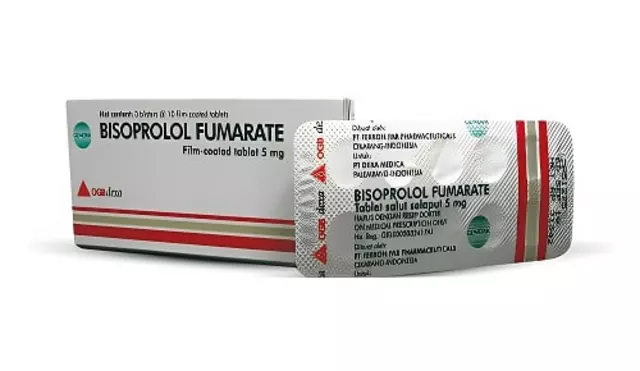
When you pick up a prescription and get a different pill than what your doctor wrote, that’s generic drug substitution, the practice of replacing a brand-name drug with a chemically identical generic version at the pharmacy. Also known as therapeutic substitution, it’s meant to cut costs—but it doesn’t always work as expected. The FDA says generics must be bioequivalent to the brand name, meaning they deliver the same amount of medicine into your bloodstream at the same speed. Sounds simple, right? But for drugs with a narrow therapeutic index—like warfarin, levothyroxine, or seizure meds—even tiny differences in absorption can cause serious side effects or make the drug stop working entirely.
That’s why therapeutic failure, when a generic drug doesn’t control your condition like the brand did happens more often than most people realize. A 2020 study in the Journal of the American Pharmacists Association found that nearly 1 in 5 patients switching from brand to generic thyroid medication needed a dose adjustment within 90 days. And it’s not just about potency. bioequivalence, the scientific standard used to approve generics only tests healthy volunteers under ideal conditions. It doesn’t account for how your stomach, liver, or genetics handle the drug over months or years. That’s also why drug safety, including contamination risks like nitrosamines or inconsistent manufacturing keeps popping up in FDA recalls. Over 500 generic drugs have been pulled since 2018 because of impurities, poor quality control, or misleading labeling.
Some states push generic drug substitution hard—forcing pharmacists to swap unless the doctor says no. Others let you opt out. But even when it’s legal, it’s not always safe. If you’re on a drug where small changes matter—like blood thinners, epilepsy meds, or thyroid pills—ask your doctor to write "Dispense as Written" or "Do Not Substitute" on your prescription. Keep track of pill color, shape, or even the imprint code. If your symptoms change after a refill, don’t assume it’s just your condition flaring. It might be the generic.
The posts below dive into real cases where generic swaps went wrong, how regulators miss the signs, why some generics are made in factories with repeated violations, and what authorized generics actually are. You’ll find stories from people who switched and got sick, guides on how to spot unsafe generics, and why some doctors refuse to prescribe them at all. This isn’t about fear—it’s about knowing when to push back.

Medications
11
Comments
How to Choose Between Generic Medications for the Same Drug
Learn how to choose between multiple generic medications safely. Understand bioequivalence, therapeutic ratings, and when to stick with one manufacturer to avoid health risks.
About
Medications
Latest Posts

Nutrition During Chemotherapy: How to Manage Nausea and Maintain Weight
By Orion Kingsworth Feb 24, 2026

Naloxone Co-Prescribing: How It Prevents Opioid Overdoses in Patients on Pain Meds
By Orion Kingsworth Dec 4, 2025

Holistic Healing Benefits for Chromosome-Positive Lymphoblastic Leukemia
By Orion Kingsworth Oct 3, 2025