Generic Substitution Laws: What You Need to Know About Drug Switching Rules
When your pharmacist hands you a different pill than what your doctor wrote on the prescription, it’s usually because of generic substitution laws, state and federal rules that let pharmacies replace brand-name drugs with cheaper generic versions if they’re deemed therapeutically equivalent. Also known as drug substitution rules, these laws exist to cut costs—but they’re not the same everywhere, and not all drugs can be swapped. Some states let pharmacists switch automatically unless the doctor says "dispense as written." Others require the patient’s consent. And in some cases, even if the law allows it, the switch might not be safe.
Not all generics are created equal, and that’s where therapeutic equivalence, the FDA’s official rating that says two drugs work the same way in the body. Also known as bioequivalence, this rating is key to whether a substitution is allowed comes in. Drugs with a narrow therapeutic index—like warfarin, levothyroxine, or seizure meds—need extra caution. Even tiny differences in how the body absorbs them can cause serious problems. That’s why some doctors avoid generics for these drugs, and why the FDA has tracked over 500 recalls linked to generic drugs, pharmaceutical copies of brand-name medications that must meet the same standards but can vary in inactive ingredients or manufacturing. Also known as non-brand medications, these are the backbone of affordable care contamination, like nitrosamines. The FDA regulations, the federal rules that govern drug safety, labeling, and approval processes. Also known as pharmaceutical compliance standards, these rules are enforced through inspections and post-market monitoring require generics to match brand drugs in strength, dosage, and route of administration—but not always in how they’re made. That’s why some patients report a generic isn’t working the same way, even if it’s technically approved.
Pharmacies follow these laws because they’re legally required to, but they’re also incentivized by insurance plans that push for the cheapest option. If you’ve ever been told your prescription was switched without your knowledge, you’re not alone. Many people don’t realize they have the right to refuse a substitution, or that they can ask for the brand name if the generic causes side effects. The generic substitution laws are meant to save money, but they shouldn’t put your health at risk. What you’ll find below are real stories and data-backed insights from patients and pharmacists who’ve dealt with failed substitutions, confusing labeling, and regulatory gaps. From nitrosamine recalls to cases where a generic just didn’t work, this collection gives you the facts you need to speak up, ask questions, and protect yourself.

Medications
11
Comments
Generic Prescribing Incentives: How States Are Cutting Drug Costs by Rewarding Generic Use
States are using copay differentials, preferred drug lists, and presumed consent laws to boost generic drug use and cut healthcare costs. Learn how these policies work - and why they sometimes backfire.
About
Medications
Latest Posts

How to Read OTC Drug Facts Labels Correctly and Confidently
By Orion Kingsworth Jan 26, 2026
Ear Infections in Children: When to Use Antibiotics, Tubes, or Watchful Waiting
By Orion Kingsworth Dec 20, 2025
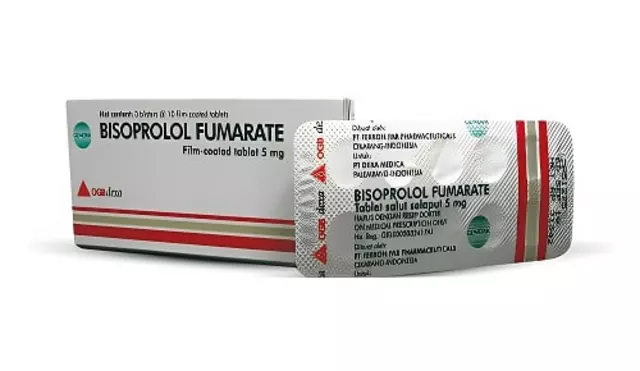
The Relationship Between Bisoprolol Fumarate and Anxiety
By Orion Kingsworth Apr 27, 2023