Low Calcium: Symptoms, Causes, and What You Need to Know
When your body doesn’t get enough calcium, a mineral essential for strong bones, nerve signaling, and muscle function. Also known as hypocalcemia, it’s not just about drinking milk—it’s about how well your body absorbs, stores, and uses this mineral. Many people assume they’re getting enough calcium because they eat dairy or take supplements, but low levels can still sneak up on you—especially if you’re on certain medications, have kidney issues, or don’t get enough vitamin D, the hormone-like nutrient that helps your gut absorb calcium from food.
Low calcium doesn’t always show up with obvious symptoms at first. You might feel more tired than usual, get frequent muscle cramps, or notice tingling in your fingers or around your mouth. Over time, it can weaken your bones, increase fracture risk, and even affect your heart rhythm. The problem is often tied to other conditions: thyroid or parathyroid disorders, long-term use of proton pump inhibitors for acid reflux, or even too much phosphate from processed foods. And here’s the catch—some people with low calcium don’t even know it until a routine blood test reveals it. That’s why understanding what affects calcium levels matters more than ever, especially if you’re managing chronic illness or taking multiple medications.
What you take daily can make or break your calcium balance. For example, steroids, commonly prescribed for inflammation or autoimmune conditions. can cause your body to lose calcium through urine and block its absorption. If you’re on long-term steroid therapy, your doctor should monitor your bone density and calcium levels. Same goes for people with GERD, a condition often treated with acid-reducing drugs that interfere with calcium absorption. Even something as simple as switching from a brand-name drug to a generic version can matter—if the filler ingredients affect how your body processes nutrients. And while supplements help, they’re not a magic fix. Without enough vitamin D, magnesium, or proper kidney function, calcium just passes through you.
What you’ll find in the posts below aren’t just generic tips about dairy and supplements. These are real stories and data-driven insights from people who’ve dealt with low calcium in the context of medication changes, chronic illness, and hidden interactions. You’ll see how steroid use can trigger bone loss, why acid reflux drugs might be silently draining your calcium, and how switching generics can sometimes affect more than just your wallet. This isn’t about guessing what to eat—it’s about understanding the systems behind your levels and how to protect them.
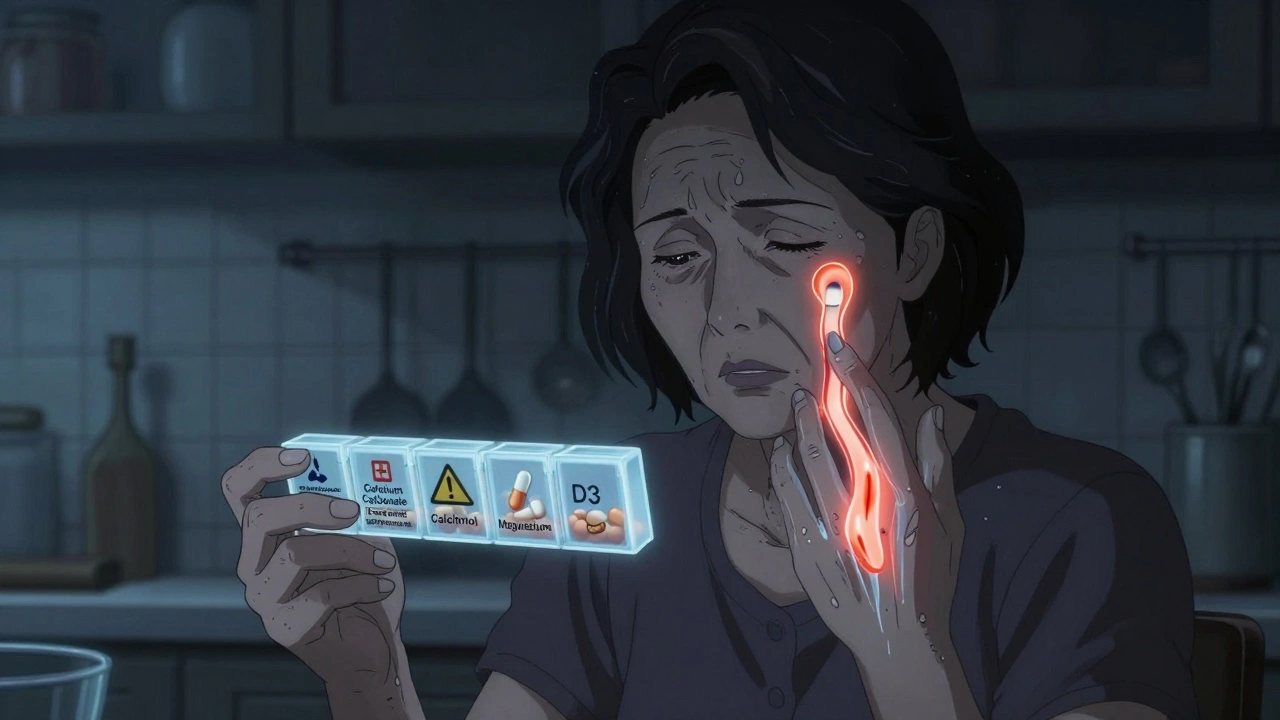
Health and Medicine
11
Comments
Hypoparathyroidism: How to Manage Low Calcium and Vitamin D Effectively
Learn how to manage low calcium and vitamin D in hypoparathyroidism with proven dosing, diet tips, and monitoring strategies to avoid kidney damage and stabilize symptoms long-term.
About
Health and Medicine
Latest Posts


The science behind reemerging influenza: understanding virus mutations
By Orion Kingsworth May 15, 2023

Dose-Related vs Non-Dose-Related Side Effects: What You Need to Know in Pharmacology
By Orion Kingsworth Dec 31, 2025

Compare Isofair (Isotretinoin) with Alternatives for Acne Treatment
By Orion Kingsworth Nov 1, 2025