NERD: Understanding Drug Safety, Generics, and Patient Advocacy
When we talk about NERD, a practical mindset focused on evidence, detail, and avoiding shortcuts in medication use. Also known as pharmaceutical rigor, it means asking the right questions before swallowing a pill—whether it’s a brand-name drug or a generic copy. This isn’t about being picky. It’s about staying safe in a system where small oversights can lead to big risks.
Take generic drugs, affordable copies of brand-name medications that must meet FDA bioequivalence standards. They’re not all the same. Some work perfectly. Others trigger unexpected side effects or fail to control your condition. Why? Because bioequivalence doesn’t always mean therapeutic equivalence—especially with drugs that have a narrow therapeutic index, like warfarin or thyroid meds. And when you’re on multiple meds, drug interactions, harmful combinations that can slow breathing, spike blood sugar, or damage your liver become a real threat. Mixing sedatives? Dangerous. Taking St. John’s Wort with an SSRI? Life-threatening. Even something as simple as an OTC antihistamine can clash with your blood pressure pill if you don’t check.
Medication safety, the practice of using drugs correctly to avoid harm isn’t just the doctor’s job. It’s yours too. You need to know what’s in your medicine cabinet, why you’re taking it, and what could go wrong. That’s why telling your doctor about every supplement, herb, or OTC pill matters. It’s why cleaning your inhaler or storing antibiotics properly isn’t optional. And it’s why you should question why your insurance pushes one generic over another—sometimes it’s about cost, not care.
And then there’s patient advocacy, the act of speaking up for your own health when systems fail. When a drug gets recalled for nitrosamine contamination, you need to know. When your pharmacy runs out of your usual generic and gives you a different one, you should ask if it’s the same. When your blood sugar spikes after starting steroids, you need to know how to adjust your insulin. These aren’t edge cases. They’re daily realities for millions.
What follows isn’t theory. It’s real-world guidance pulled from over 20 detailed posts on what actually works—and what doesn’t. You’ll find answers about why some generics fail, how to spot dangerous drug combos, what to do when your meds aren’t available, and how to make sure your allergy list is accurate across every provider you see. No fluff. No marketing. Just what you need to know to take control of your health.
Health and Medicine
9
Comments
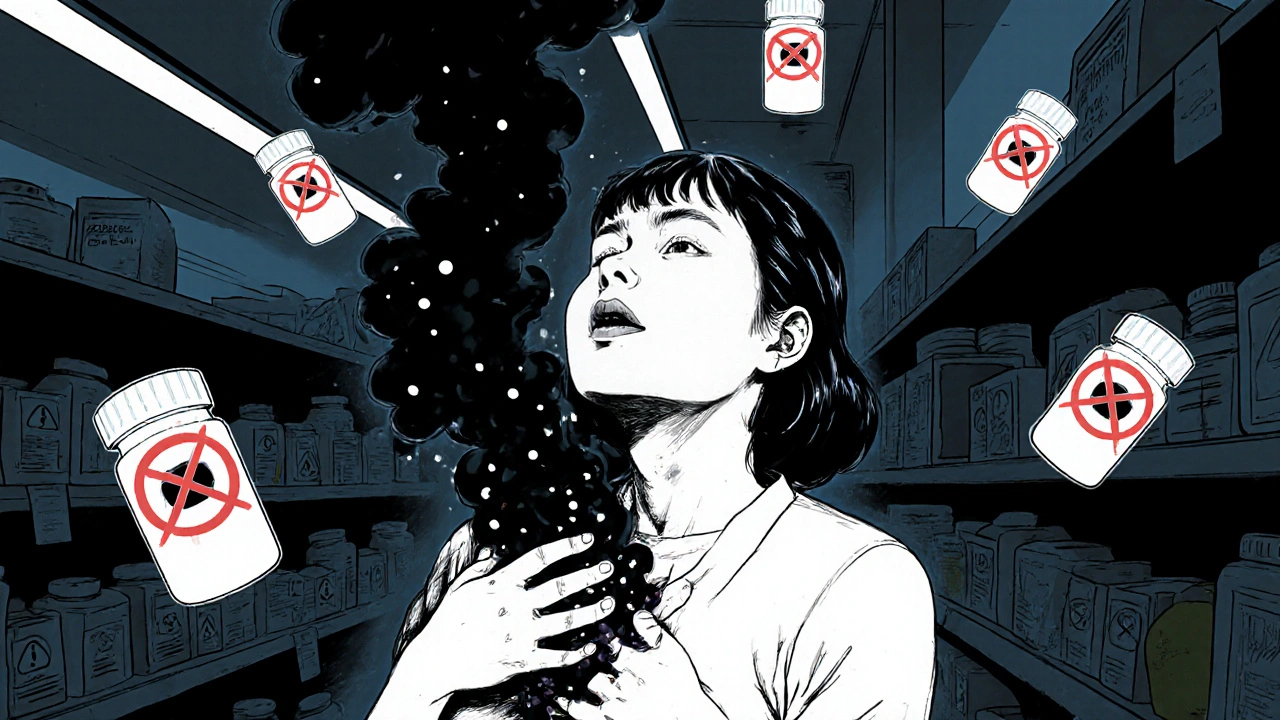
NSAID Sensitivity and Asthma: What Patients Should Watch
About 7% of asthma patients react dangerously to common painkillers like aspirin and ibuprofen. Learn the signs of NSAID-sensitive asthma, who’s at risk, what medications are safe, and how to avoid life-threatening reactions.
About
Health and Medicine
Latest Posts
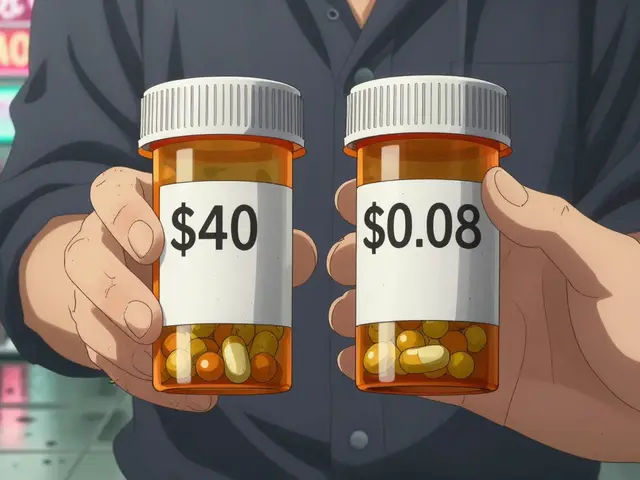
How Generic Combinations Save Money: Comparing Individual Generics vs. Combination Drugs
By Orion Kingsworth Mar 3, 2026

What is an ANDA: Abbreviated New Drug Application Explained
By Orion Kingsworth Feb 21, 2026

Combining Multiple Sedatives: The Hidden Danger of CNS Depression
By Orion Kingsworth Nov 29, 2025
