Patient Allergy Safety: Avoiding Dangerous Reactions and Choosing Safe Medications
When it comes to patient allergy safety, the practice of preventing harmful immune responses to medications and everyday substances. Also known as drug hypersensitivity, it’s not just about sneezing or a rash—it can mean anaphylaxis, organ failure, or death if ignored. Millions take antihistamines like Zyrtec or Claritin without a second thought, but what if your body reacts badly to the active ingredient—or worse, to a filler or dye in the pill? Patient allergy safety isn’t just for people with known food allergies. It’s for anyone on medication, even over-the-counter ones.
One of the biggest hidden risks is drug interactions, when two or more medications combine to trigger an unexpected immune or chemical reaction. For example, mixing St. John’s Wort with SSRIs can cause serotonin syndrome—a life-threatening surge in brain chemicals. Or consider how antibiotics, commonly prescribed for infections. Also known as antimicrobial drugs, they can wipe out good gut bacteria and lead to C. difficile colitis, a severe, sometimes fatal inflammation of the colon. These aren’t rare cases. The FDA has recalled over 500 drugs since 2018 due to contaminants like nitrosamines, which can trigger cancer or allergic responses in sensitive patients. Even generic drugs, which are supposed to be identical to brand-name versions, sometimes fail to meet safety standards—especially those made overseas, where manufacturing controls are weak.
Some reactions are genetic. If you’ve ever stopped taking a statin because of muscle pain, it might not be bad luck—it could be your SLCO1B1 gene. That’s why patient allergy safety now includes pharmacogenomics: testing your DNA to predict how you’ll react to certain drugs. Others are about labeling. Many patients don’t realize that FDA safety alerts for generics often lag behind brand-name drugs because of outdated rules. A warning on a brand-name drug might not appear on its generic copy for months—or ever.
And it’s not just about pills. Inhalers, if not cleaned properly, can harbor mold and bacteria that trigger allergic asthma attacks. Antibiotics like Cefprozil degrade if stored wrong, turning into toxins. Even natural supplements like St. John’s Wort aren’t regulated like drugs, so you never know what’s really in the bottle.
So what do you do? Start by knowing your triggers. Keep a simple log: what you took, when, and how you felt. Ask your pharmacist about inactive ingredients—dyes, lactose, gluten—those are common culprits. Don’t assume a generic is always safe. And if you’ve ever had a reaction, tell every doctor, every pharmacist, every time. Your history matters.
Below, you’ll find real-world guides on how to pick the right antihistamine without drowsiness, how to spot dangerous drug interactions, why some generics fail, and what to do if you’re on a medication that could cause bone marrow failure or liver damage. These aren’t theoretical warnings—they’re based on patient reports, FDA alerts, and clinical data. This is the information you need to stay safe—not just informed.
Health and Medicine
14
Comments
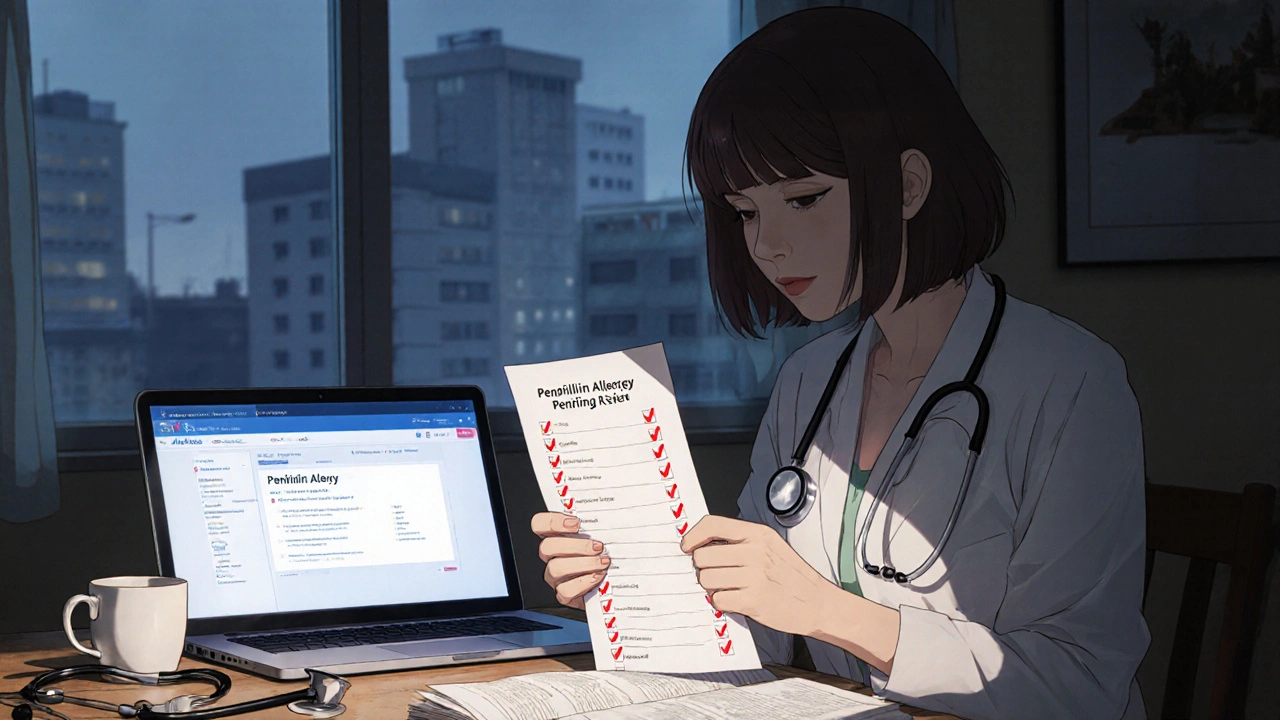
How to Update Your Allergy List Across All Healthcare Providers
Learn how to update your allergy list across all healthcare providers to prevent dangerous drug reactions. Get step-by-step tips for verifying, testing, and correcting your records-no matter which system your doctor uses.
About
Health and Medicine
Latest Posts

Naloxone Co-Prescribing: How It Prevents Opioid Overdoses in Patients on Pain Meds
By Orion Kingsworth Dec 4, 2025

Statins and Exercise: How to Prevent Muscle Injury While Staying Active
By Orion Kingsworth Dec 25, 2025
Pomegranate Juice and Medication Metabolism: What You Need to Know
By Orion Kingsworth Feb 10, 2026