State Drug Policies: How Government Rules Shape Your Medications
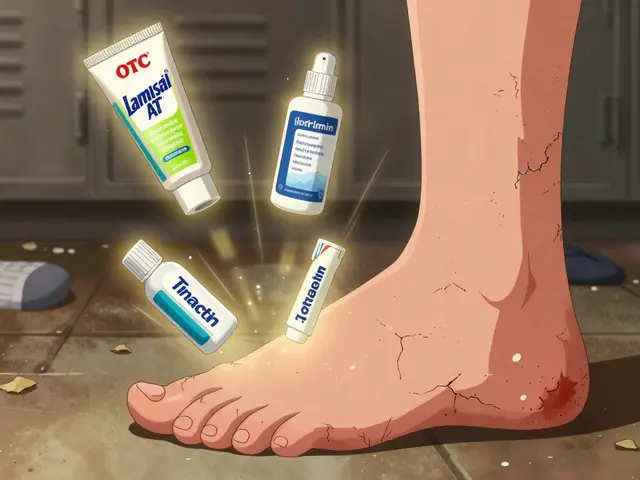
When you pick up a prescription, what you get isn’t just decided by your doctor or pharmacist—it’s shaped by state drug policies, laws set by individual U.S. states that control how medications are priced, distributed, and monitored. Also known as pharmaceutical regulation at the state level, these rules determine whether a generic drug can replace a brand-name one, if pharmacies must notify you about cheaper options, and even whether certain high-cost drugs are covered under Medicaid. These aren’t just bureaucratic details—they directly impact whether you can afford your medicine, if it’s safe, and if you even get it at all.
Take generic drug safety, the reliability of cheaper versions of brand-name drugs. Some states require pharmacies to inform you when switching from a brand to a generic, while others don’t. That’s why you might get a pill that looks different but claims to do the same thing—and sometimes, it doesn’t. The FDA oversight, federal monitoring of drug quality and manufacturing sets the baseline, but states add their own layers. For example, states like California and New York have stricter rules on nitrosamine contamination or require pharmacies to track substitution errors. Meanwhile, in other states, a generic drug with the same active ingredient might be sold without any extra testing, even after recalls.
Then there’s drug access laws, rules that decide who can get certain meds and under what conditions. Some states limit opioid prescriptions to seven days. Others force insurers to cover life-saving drugs like hepatitis C treatments without prior authorization. A few even ban pharmacies from refusing to fill prescriptions based on moral objections. These policies don’t just affect patients—they change how doctors write scripts, how pharmacies stock shelves, and how manufacturers decide where to sell their products. You might not think about it, but if your state has tight controls on controlled substances, your painkiller might be harder to get than in another state. Same goes for birth control, mental health meds, or even over-the-counter antihistamines in bulk.
And it’s not just about pills. State drug policies shape how pharmacies handle partial fills, back-orders, and disposal of expired antibiotics. They determine if you can return unused meds or if they must be destroyed. They guide whether pharmacists can adjust doses or switch drugs without calling your doctor. These rules are why some people get their meds faster, why others face delays, and why some generics work—and others don’t.
What you’ll find below isn’t just a list of articles—it’s a map of how these invisible rules touch your daily health. From how Chinese-made ingredients end up in your pills to why some generic drugs fail silently, from nitrosamine recalls to how state-level labeling lags behind federal alerts—each post connects back to the real-world impact of these policies. You won’t find fluff here. Just clear, practical insights into how your state’s rules are quietly shaping your treatment, your safety, and your wallet.
Medications
11
Comments
Generic Prescribing Incentives: How States Are Cutting Drug Costs by Rewarding Generic Use
States are using copay differentials, preferred drug lists, and presumed consent laws to boost generic drug use and cut healthcare costs. Learn how these policies work - and why they sometimes backfire.
About
Medications
Latest Posts
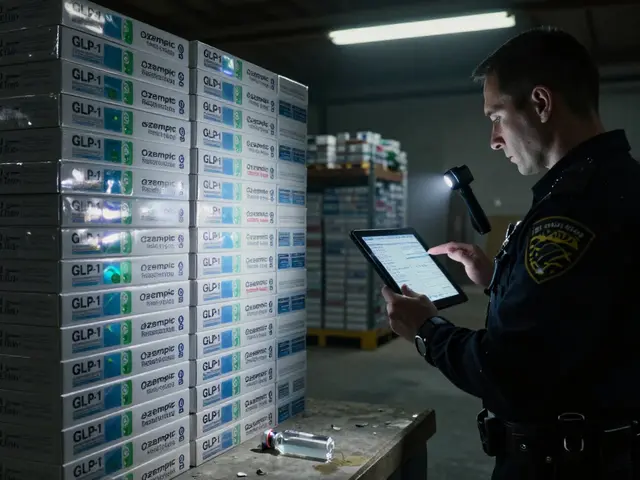
Seized Counterfeit Medications: Real Cases and What We’ve Learned
By Orion Kingsworth Dec 30, 2025
Cefprozil Storage & Disposal Guide: Keep Antibiotics Safe
By Orion Kingsworth Oct 24, 2025
How to Read OTC Drug Facts Labels Correctly and Confidently
By Orion Kingsworth Jan 26, 2026