Tiered Formularies: How Drug Tiers Affect Your Prescription Costs and Access
When you pick up a prescription, the price you pay isn’t just set by the drug company—it’s shaped by your insurance plan’s tiered formularies, a system that groups medications into levels based on cost and clinical use. Also known as drug tier lists, this structure tells your pharmacy exactly how much you’ll owe at the counter. It’s not random. Every drug your insurer covers is placed into a tier, and each tier has a different copay or coinsurance rate. The lower the tier, the cheaper it is for you. Tier 1 usually includes generics. Tier 2 is for preferred brand-name drugs. Tier 3 and 4? Those are the expensive ones—often non-preferred brands or specialty meds.
Behind every tier is a decision made by your insurer’s pharmacy benefit manager (PBM). They look at price, effectiveness, and how often a drug is prescribed. A drug might be on Tier 1 because it’s cheap and works just as well as the pricier option. But if a drug has serious side effects or isn’t proven better than a generic, it gets bumped up to Tier 3 or 4—and so does your bill. This isn’t just about saving money for insurers. It’s meant to steer you toward safer, more cost-effective choices. But here’s the catch: sometimes the drug your doctor prescribes isn’t on the lowest tier. That’s when you’re stuck choosing between paying more or asking for a prior authorization, which can take days.
Drug tiers, the levels used in tiered formularies to classify prescription medications directly affect how you manage chronic conditions. If you’re on insulin, statins, or blood pressure meds, your tier placement can make or break your ability to stick with treatment. A $500 monthly copay for a non-preferred brand? You might skip doses or switch to an over-the-counter alternative—both risky moves. That’s why knowing your plan’s formulary matters. Many people don’t check until they get hit with a surprise bill at the pharmacy. But you can avoid that. Call your insurer. Ask for the current formulary. Look up your meds. See if there’s a generic or preferred brand that works just as well.
Pharmacy benefits, the system insurers use to manage drug coverage and costs aren’t static. They change every year. A drug that was on Tier 2 last year could be moved to Tier 4 this year. That’s why you can’t just set it and forget it. If you’re on a long-term medication, review your formulary every fall during open enrollment. Look at the new tier list. See if your meds moved. Check for new alternatives. And if you’re hit with a cost spike, ask your doctor about prior authorization or a therapeutic substitution. You’d be surprised how often a switch to a different drug in the same class can drop your cost by 80%.
It’s not just about price. Formulary management, the process insurers use to decide which drugs to cover and at what tier also affects access. Some plans require step therapy—you have to try a cheaper drug first before they’ll approve the one your doctor picked. Others block certain drugs entirely unless you meet strict criteria. This is why you see so many posts here about drug interactions, generic failures, and medication shortages. All of it connects back to how formularies are built. When a drug gets pulled from Tier 1 because of a recall or a price hike, it ripples through your care. You might end up switching to a different generic, dealing with a partial fill, or even facing a delay because your insurer needs prior auth.
What you’ll find in these posts isn’t just random advice. It’s a map to the real-world consequences of tiered formularies. From how nitrosamine recalls hit generics to why authorized generics sometimes work better than regular ones, every article shows how the system shapes your health. You’ll learn how to spot when your meds are being moved up a tier, how to challenge a denial, and how to find cheaper alternatives that still work. No fluff. Just what you need to keep your treatment on track without breaking the bank.
Medications
14
Comments
Insurance Benefit Design: How Health Plans Use Generics to Cut Costs
Health plans use tiered formularies, mandatory substitutions, and step therapy to push patients toward generic drugs-saving billions while cutting patient costs. But hidden pricing practices can leave you paying more than you should.
About
Medications
Latest Posts

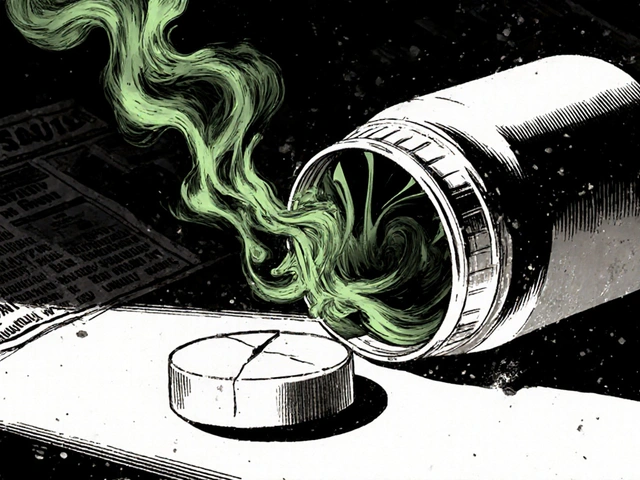
Nitrosamine Contamination in Generic Drugs: Recent Recalls and Regulatory Shifts
By Orion Kingsworth Nov 17, 2025

Slow Up-Titration Schedules: How Gradual Dose Increases Help You Tolerate Medication Side Effects
By Orion Kingsworth Dec 16, 2025
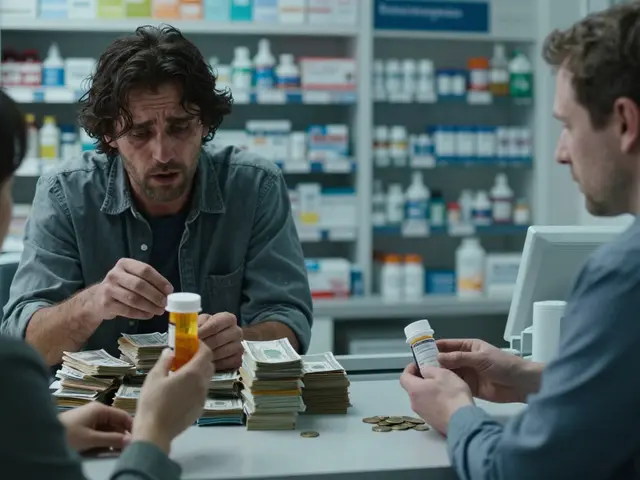
Why Prescription Drug Prices Are So High in the United States: The Real Reasons Explained
By Orion Kingsworth Feb 6, 2026