
Allergy Medication Selector
Answer a few questions about your allergy symptoms, age, other medications, and concerns to get a personalized recommendation between desloratadine and loratadine.
Your Recommendation
When you're stuck with runny nose, itchy eyes, or sneezing fits that won't quit, choosing the right antihistamine matters. Two names come up again and again: desloratadine and loratadine. They’re both second-generation antihistamines, sold over the counter or by prescription, and both promise relief without the drowsiness of older drugs like diphenhydramine. But they’re not the same. One is the active ingredient in Clarinex; the other is in Claritin. And while loratadine breaks down into desloratadine in your body, that doesn’t mean they work the same way.
How They Work - And Why It Matters
Loratadine is a prodrug. That means your liver turns it into desloratadine - the real active player. Desloratadine doesn’t need to be converted. It’s already the molecule that binds to histamine receptors and blocks allergic reactions. This gives it a direct edge. Studies show desloratadine is significantly more potent than loratadine, meaning it works harder at lower doses. A 5 mg dose of desloratadine does more than a 10 mg dose of loratadine. But it’s not just about strength. Desloratadine also has extra anti-inflammatory effects. It doesn’t just block histamine. It reduces the activity of immune cells like eosinophils, lowers levels of inflammatory cytokines like IL-4 and IL-13, and stops cells from sticking to blood vessel walls. These actions help with nasal congestion, itchy skin, and even asthma symptoms - things that plain loratadine doesn’t touch as well. That’s why allergists often recommend desloratadine for moderate to severe allergies, not just mild sniffles.Dosing: One Pill, Once a Day - But Which One?
Both medications are taken once daily. That’s simple. But the doses are different.- Loratadine: 10 mg per day for adults and kids over 2 years
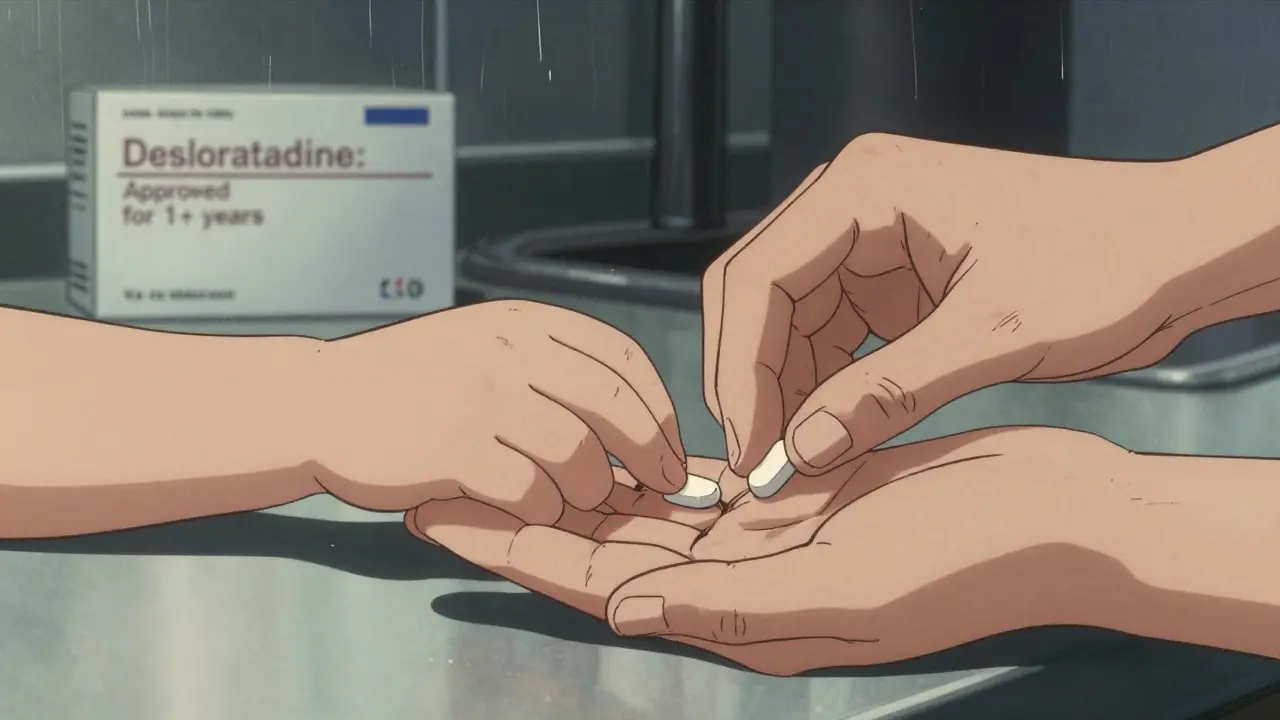
- Desloratadine: 5 mg per day for adults and kids as young as 1 year
Side Effects: Which One Is Gentler?
Both are called “non-sedating” because they barely cross the blood-brain barrier. That means they don’t cause the heavy drowsiness you get from first-gen antihistamines like Benadryl. But that doesn’t mean zero side effects. For loratadine, the most common complaints are:- Headache (about 12% of users)
- Dry mouth (8-10%)
- Fatigue (less than 5%)
Real People, Real Results
Numbers don’t tell the whole story. Look at user reviews on Drugs.com:- Loratadine: 6.3/10 from over 1,200 reviews. 54% positive, 28% negative. Common complaint: “It stopped working after a few weeks.”
- Desloratadine: 7.2/10 from 843 reviews. 63% positive, 22% negative. Common praise: “My itchy eyes finally stopped.”
Who Should Take Which?
If you have:- Mild, occasional allergies - Loratadine is fine. It’s cheaper, proven, and effective.
- Chronic hives, nasal congestion, or itchy eyes - Desloratadine gives better results. It’s not just stronger - it tackles inflammation too.
- A child under 2 - Only desloratadine is approved.
- Other medications (like antidepressants or antibiotics) - Desloratadine has fewer interactions.
- Heart issues or liver problems - Desloratadine is safer. No need to adjust dose for mild liver or kidney impairment with either, but desloratadine’s metabolism is more predictable.

What About Switching?
If you’ve been on loratadine for months and your symptoms aren’t fully under control, don’t just up the dose. Talk to your doctor about switching to desloratadine. The American College of Allergy, Asthma, and Immunology recommends trying desloratadine after 2-4 weeks of inadequate response to loratadine. No waiting period needed. You can switch directly. Some people worry about withdrawal. There’s no evidence of rebound symptoms when switching between these two. You won’t get worse after stopping one and starting the other.The Bottom Line
Desloratadine isn’t just a “stronger” version of loratadine. It’s a more complete allergy fighter. It works faster, lasts longer, has fewer drug interactions, and tackles inflammation - not just histamine. But it costs more. For mild, predictable allergies, loratadine still does the job. For stubborn, persistent, or severe symptoms, desloratadine is the smarter choice. Both are safe, non-sedating, and effective. The difference isn’t about which one is “better.” It’s about which one matches your symptoms - and your budget.Can I take desloratadine and loratadine together?
No. Desloratadine is the active metabolite of loratadine. Taking both together doesn’t give you double the benefit - it just increases your risk of side effects like headache or dry mouth without added relief. Stick to one or the other.
Does desloratadine cause weight gain?
No. Unlike some older antihistamines, neither desloratadine nor loratadine is linked to weight gain. Studies tracking patients over months found no significant change in body weight with either drug. Weight changes are more likely tied to diet, activity, or other medications.
Is desloratadine safe during pregnancy?
Both desloratadine and loratadine are classified as Category B in pregnancy - meaning animal studies show no risk, and human data hasn’t shown harm. Many OB-GYNs prefer loratadine because it’s been used longer in pregnant women, but desloratadine is considered safe if needed. Always talk to your doctor before taking any medication while pregnant.
Why is desloratadine more expensive than loratadine?
Loratadine became generic in 2002, and competition drove prices down. Desloratadine went generic in 2013, but it’s still less commonly prescribed and produced by fewer manufacturers. Higher production costs and lower demand keep its price above loratadine’s - even though both are off-patent.
Can I take these medications with alcohol?
Moderate alcohol is generally safe with either drug. Neither causes dangerous interactions with alcohol like first-gen antihistamines do. But alcohol can make you drowsy, and both medications can cause mild fatigue in some people. Combining them might increase that effect. If you’re sensitive, skip the drink.
How long does it take for desloratadine to start working?
Desloratadine starts working within 1 hour, with full effect by 3 hours. Loratadine takes 1-1.5 hours to reach peak levels. For fast relief, desloratadine is quicker. But both last longer than 24 hours, so timing your dose isn’t as critical as consistency.
Do I need to take these with food?
No. Food doesn’t affect how well either medication is absorbed. You can take them with or without meals. Some people prefer taking them in the morning to avoid any minor drowsiness at night - but that’s personal preference, not a requirement.






Michael Burgess
January 3, 2026 at 10:16
Desloratadine is the real MVP for my year-round allergies. Loratadine? Felt like a wet napkin against a wildfire. After switching, my nasal congestion vanished and my eyes stopped looking like I’d been crying into a bag of pepper. No drowsiness, no weird rebound. Just clean, quiet relief. Worth every penny if you’re serious about living, not just surviving allergy season.
Also, the QTc safety point? Huge. I’m on an SSRI and my cardiologist actually cheered when I told her I switched.
Pro tip: Take it at night. Even if it’s non-sedating, your body processes it smoother while you sleep. Woke up feeling like a human again.