
When you start taking a statin, your doctor doesn’t just hand you a prescription and call it a day. There’s a common belief that you need blood tests every few months to check if your liver is okay or if your muscles are being damaged. But here’s the truth: statin monitoring doesn’t look like most people think. In fact, for most people, too much testing does more harm than good.
Why We Used to Test So Much
Back in the 1990s and early 2000s, doctors ordered liver function tests (LFTs) every 3 to 6 months for anyone on statins. The fear was simple: statins might hurt your liver. It made sense at the time. But over the years, research piled up-and it told a different story. A 2011 meta-analysis of 83,000 patients across 33 clinical trials found no difference in serious liver problems between those taking statins and those taking a placebo. The FDA took note. In 2012, they removed the requirement for routine liver enzyme checks. That was a big shift. Yet, many clinics still order those tests every quarter. Why? Habit. Outdated guidelines. Fear of missing something.What You Actually Need: The Evidence-Based Checklist
The current guidelines from the American College of Cardiology, the American Heart Association, and NICE (UK’s National Institute for Health and Care Excellence) are clear. You don’t need frequent blood work unless something changes. Here’s what you really need:- Before you start: A full lipid panel (total cholesterol, LDL, HDL, triglycerides), ALT/AST (liver enzymes), creatinine (for kidney function), and HbA1c (to check for diabetes risk). This gives you a baseline.
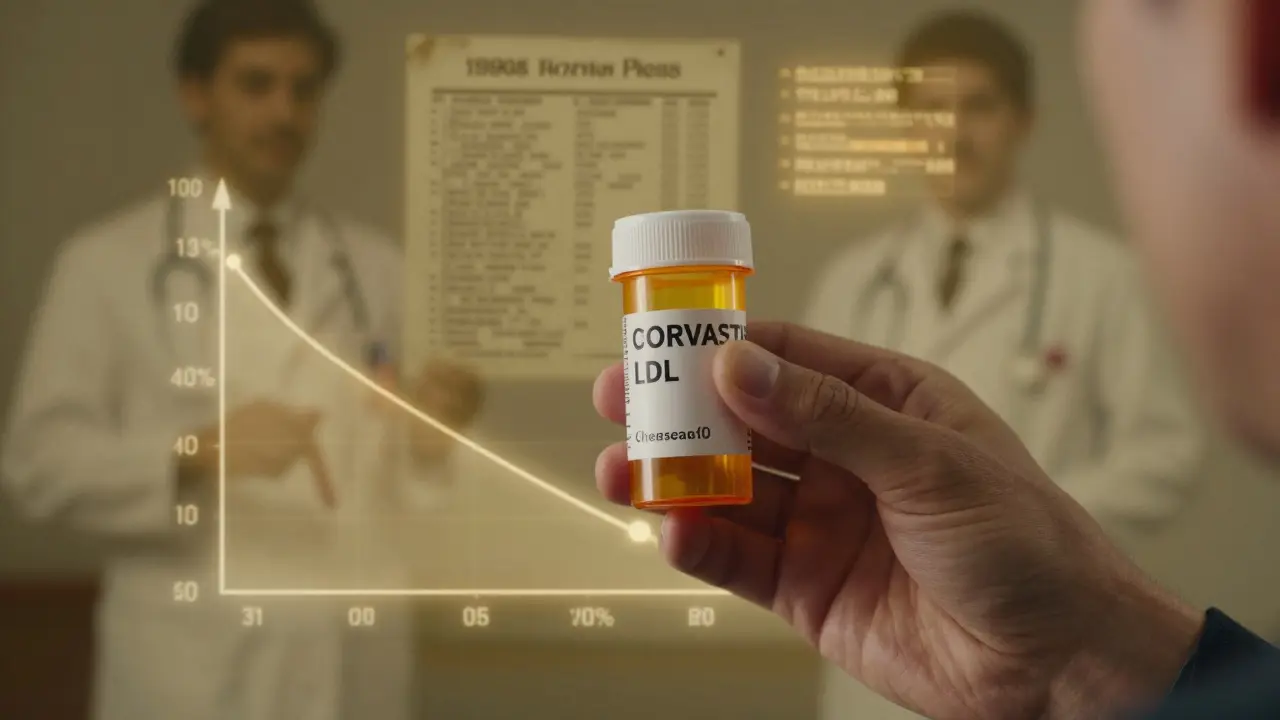
- 4 to 12 weeks after starting: Repeat the lipid panel. This tells you if the statin is working. The goal? A 30-50% drop in LDL. If you’re on a high-intensity statin like rosuvastatin or atorvastatin, you should see that change.
- At 12 months: One more lipid panel. That’s it for routine checks.
Liver tests (ALT, AST) only need to be done at baseline and then again at 3 months. After that? Only if you have symptoms-like unexplained fatigue, dark urine, or yellowing skin. Otherwise, no more.
And here’s the kicker: creatine kinase (CK) testing? Only if you have persistent muscle pain or weakness. Not after a hard workout. Not if you just feel a little sore. CK can spike from exercise alone, and that’s normal. Testing it without real symptoms leads to false alarms.
What You Don’t Need (And Why)
Many patients still get tested every 3 months for liver enzymes. That’s not just unnecessary-it’s risky. Here’s why:- False positives are common. ALT levels can rise from obesity, alcohol, or even a viral infection. A single elevated number doesn’t mean statins are harming your liver. In fact, studies show fewer than 1 in 100 patients ever have an ALT level over 3 times the upper limit of normal. And even then, it often goes back down on its own.
- Unnecessary statin stops. A 2017 JAMA Internal Medicine study found that patients who stopped their statin because of a mildly elevated liver enzyme had a 10-20% higher risk of heart attack or stroke in the next year. That’s huge. Your liver might be fine, but your heart isn’t.
- Costs add up. In the U.S. alone, redundant LFTs cost about $1.2 billion a year. That’s money spent on tests that don’t change outcomes.
Some clinics still use default electronic health record (EHR) orders that automatically schedule quarterly liver tests. That’s outdated. A 2020 MGMA survey found 78% of U.S. healthcare systems still had these default settings. If your doctor’s office keeps ordering them, ask why. Show them the guidelines.
Who Needs More Frequent Monitoring?
Not everyone follows the same rules. Some people do need closer attention:- People with pre-existing liver disease. If you have hepatitis, fatty liver, or cirrhosis, your doctor may check LFTs more often.
- Those taking other drugs that affect the liver. Medications like fibrates, certain antibiotics, or antifungals can interact with statins. In these cases, monitoring is smart.
- Patients with kidney disease. Reduced kidney function can change how statins are processed. Creatinine and eGFR checks help adjust doses.
- People with diabetes risk. While statins don’t cause diabetes, they can slightly raise blood sugar. If you’re prediabetic (fasting glucose 5.6-6.9 mmol/L, BMI over 30), your doctor might check HbA1c every 6 months-not because of the statin, but because you’re at risk.
For everyone else? Stick to the basics.
What About Muscle Pain?
Muscle aches are the most common concern. But here’s the reality: most people who say they have "statin muscle pain" don’t actually have it. In clinical trials, the difference in muscle pain between statin users and placebo users was tiny. Often, it’s nocebo effect-expecting side effects makes you notice them.If you have real, persistent muscle pain (not just soreness after the gym), talk to your doctor. They might check CK. If it’s more than 10 times the upper limit of normal, they’ll likely stop the statin. But if it’s mild, they’ll try switching statins, lowering the dose, or trying every-other-day dosing. Never stop on your own.

What’s New in 2026?
The field is moving fast. In 2023, the FDA approved new guidance for genetic testing of the SLCO1B1 gene. If you carry a certain variant (more common in Caucasians), you’re at higher risk for muscle side effects with simvastatin. This isn’t routine yet-but it’s coming. Some clinics are already offering it for patients with repeated muscle issues.Another change: ApoB is gaining traction as a better way to track treatment than LDL alone. If your triglycerides are high (over 175 mg/dL), ApoB gives a clearer picture of your real cardiovascular risk. It’s not in every guideline yet, but more specialists are using it.
What Patients Are Saying
On patient forums, there’s a clear split. Some people are frustrated: "My doctor tested me every month for 5 years. I never had a problem." Others are relieved: "My lipid specialist explained the guidelines. I only get tested once a year now. I feel more in control." One Reddit user, u/CardioDoc99, put it well: "I follow NICE guidelines. But 60% of the primary care doctors I work with still order quarterly LFTs. They’re not wrong-they’re just behind the science." The problem isn’t the doctors. It’s the system. Outdated patient handouts. Default EHR orders. Fear of liability. But change is happening. The FDA, NICE, and ACC/AHA are all aligned: less testing, better outcomes.What to Do Next
If you’re on a statin:- Ask for your baseline lipid panel and liver enzyme results. Keep a copy.
- Get your first follow-up lipid panel 8-12 weeks after starting.
- After that, one lipid panel per year is enough-unless your doctor has a specific reason to check more often.
- If you have muscle pain, describe it: Is it constant? Does it affect daily life? Or is it just soreness after walking the dog?
- If your doctor orders a liver test out of habit, ask: "Is this based on current guidelines?" Show them the NICE or ACC/AHA recommendations.
Statins save lives. But unnecessary testing can put you at risk. You don’t need to be a lab rat. You need to be informed.
Do I need to get liver tests every 3 months on statins?
No. Routine liver enzyme tests every 3 months are not recommended. Current guidelines (ACC/AHA, NICE, FDA) say to test only at baseline, 3 months after starting, and then only if you develop symptoms like fatigue, nausea, or yellowing skin. Most people never need another liver test after that.
Can statins damage my liver?
Serious liver damage from statins is extremely rare-less than 1 in a million patient-years. Most mild elevations in liver enzymes are temporary and not caused by the statin. They can happen due to fatty liver, alcohol, or even a cold. If your ALT or AST is slightly high but you feel fine, the statin is almost certainly safe to continue.
What if my doctor says to stop my statin because of a high liver test?
Ask for a repeat test in 4-6 weeks. If it’s only mildly elevated (under 3 times the upper limit), there’s no need to stop. Studies show that stopping statins over minor liver enzyme changes increases heart attack risk. Many patients who were taken off statins for this reason later had cardiovascular events. Always get a second opinion if you’re unsure.
Should I get tested for muscle damage (CK) regularly?
No. Creatine kinase (CK) testing is only needed if you have persistent muscle pain or weakness-not after exercise, not if you’re just sore. CK levels can spike from normal activity. Testing without symptoms leads to false alarms and unnecessary statin stops.
Do I need to check my blood sugar if I’m on a statin?
Only if you’re already at risk for diabetes-like if you have prediabetes (fasting glucose between 5.6-6.9 mmol/L), are overweight, or have high triglycerides. Statins can slightly raise blood sugar, but they don’t cause diabetes. For most people, no HbA1c monitoring is needed unless you’re already being tracked for glucose control.
What’s the point of a lipid panel if I’m on a statin?
It’s the most important test. The whole reason you’re on a statin is to lower LDL cholesterol. You need to know if it’s working. A 30-50% drop in LDL is the target. If your LDL hasn’t dropped enough after 8-12 weeks, your doctor may need to adjust your dose or switch statins. That’s the only test that directly tells you if your treatment is effective.






Kevin Y.
March 24, 2026 at 20:14
Thank you for this clear, evidence-based breakdown. I’ve seen too many patients get stuck in a cycle of unnecessary lab tests-each one adding stress, cost, and confusion. The real win is when doctors stop treating statins like a dangerous drug and start treating them like the life-saving therapy they are. I’ve had patients tell me they felt more in control once they stopped getting tested every three months. It’s not about avoiding labs-it’s about using them wisely.