Aspirin Sensitivity: What It Is, Who It Affects, and How to Stay Safe
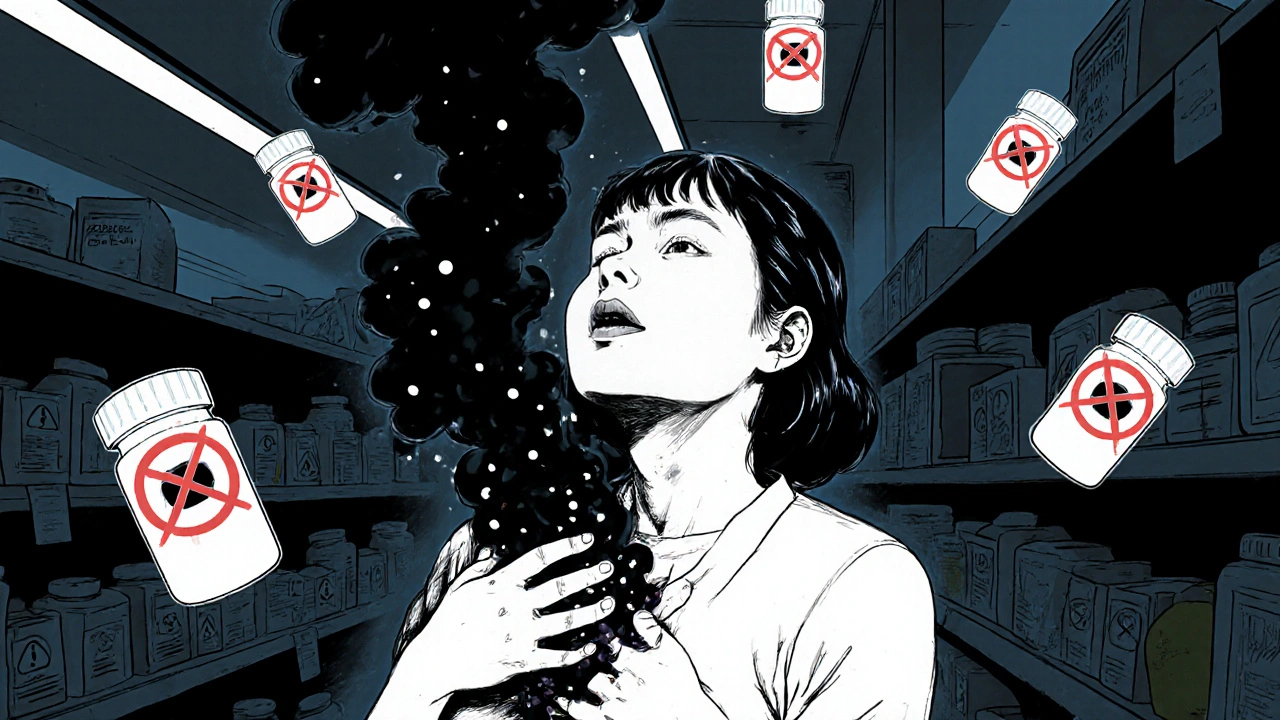
When your body reacts badly to aspirin sensitivity, a condition where the immune system overreacts to aspirin and similar drugs, causing breathing problems, hives, or even anaphylaxis. Also known as NSAID intolerance, it’s not a true allergy like peanut or bee venom—but it can be just as dangerous. Unlike typical allergies, aspirin sensitivity doesn’t show up on skin tests. Instead, it’s triggered by how the drug changes your body’s chemistry, especially in people with asthma, nasal polyps, or chronic sinus issues. About 1 in 10 adults with asthma have this reaction, and it’s even more common in those who’ve had nasal surgeries or suffer from persistent congestion.
People with aspirin sensitivity often react to other NSAIDs, nonsteroidal anti-inflammatory drugs like ibuprofen and naproxen. These drugs work the same way as aspirin—blocking enzymes that control inflammation—and that’s exactly why they cause trouble. Even topical creams with salicylates, like those for muscle pain, can trigger symptoms in sensitive individuals. The most common signs are wheezing, nasal congestion, swelling around the eyes, and hives—usually within minutes to hours after taking the drug. In severe cases, people can go into anaphylactic shock, which requires emergency treatment.
Many don’t realize they have aspirin sensitivity until after a bad reaction. If you’ve ever had trouble breathing after taking Advil or Aleve, or noticed your asthma flare up after a painkiller, that’s a red flag. It’s not just about avoiding aspirin—it’s about knowing what else to skip. Some cold medicines, migraine pills, and even certain cosmetics contain salicylates. That’s why updating your allergy list, a record of all medications and substances that cause reactions. Also known as drug allergy management, it’s critical for your safety with every doctor, pharmacist, and ER visit. One wrong pill can land you in the hospital.
There’s no cure for aspirin sensitivity, but there are ways to manage it. Some people under medical supervision can undergo desensitization—gradually building tolerance to aspirin in a controlled setting. This is often used for heart patients who need daily aspirin to prevent clots. For most, though, the safest path is avoidance and having a clear action plan. Always carry an epinephrine auto-injector if you’ve had a severe reaction before, and make sure your close contacts know how to use it.
The posts below cover real cases and practical advice—from how to spot hidden aspirin in OTC meds, to why some generics can still trigger reactions, to what to do when your doctor prescribes something that might clash with your sensitivity. You’ll find guides on reading labels, communicating with pharmacies, and understanding the science behind why your body reacts this way. No fluff. Just what you need to stay safe and informed.
Health and Medicine
9
Comments
NSAID Sensitivity and Asthma: What Patients Should Watch
About 7% of asthma patients react dangerously to common painkillers like aspirin and ibuprofen. Learn the signs of NSAID-sensitive asthma, who’s at risk, what medications are safe, and how to avoid life-threatening reactions.
About
Health and Medicine
Latest Posts

Steroid-Induced Hyperglycemia: How to Adjust Diabetes Medications Safely
By Orion Kingsworth Mar 21, 2026

Malignant Hyperthermia and Anesthesia: What You Need to Know About This Life-Threatening Reaction
By Orion Kingsworth Feb 7, 2026

Top Alternative Medications to Inderal for 2025: An In-Depth Guide
By Orion Kingsworth Jan 4, 2025