Breakthrough Therapies: New Treatments Changing How We Fight Disease
When we talk about breakthrough therapies, medical treatments that fundamentally change how a disease is treated, often after years of failed approaches. Also known as transformative therapies, these aren’t just new pills—they’re whole new ways of healing. Think of them as medical leaps, not steps. They don’t just manage symptoms. They fix the root problem—whether that’s reprogramming your immune system, replacing broken genes, or targeting cancer cells with surgical precision.
One major type of breakthrough therapy is gene therapy, a method that fixes or replaces faulty genes causing disease. It’s not science fiction anymore. Kids born with rare immune disorders, once expected to live in sterile bubbles, are now living normal lives after a single gene therapy treatment. Another is CAR-T cell therapy, a treatment that takes your own immune cells, trains them to hunt cancer, and puts them back in your body. It’s cured people with leukemia who had run out of options. And then there’s immunotherapy, a class of treatments that help your body’s defenses recognize and destroy disease. It’s changed survival rates for melanoma and lung cancer in ways doctors never thought possible a decade ago.
These aren’t one-size-fits-all. That’s where precision medicine, tailoring treatment based on your genes, lifestyle, and environment comes in. A drug that works wonders for one person might do nothing for another—not because of bad luck, but because of differences in their biology. Breakthrough therapies are making this personalization real. We’re seeing it in how some patients respond to drugs like abiraterone for prostate cancer, or how genetic testing helps people stay on statins by predicting side effects. These aren’t just lab experiments. They’re in clinics right now, changing outcomes every day.
But breakthrough therapies aren’t magic. They’re complex, expensive, and sometimes come with serious risks—like cytokine storms from CAR-T cells, or unexpected immune reactions. That’s why understanding them matters. You need to know when they’re right for you, what alternatives exist, and how to spot early signs of trouble, like the warning symptoms of medication-induced aplastic anemia or the hidden dangers of drug interactions like St. John’s Wort with SSRIs. The posts below cover these realities: from how FDA recalls expose flaws in generic drug safety to how fecal transplants restore gut health after antibiotics fail. You’ll find real stories, hard data, and clear comparisons—like how authorized generics differ from regular ones, or why some generics just don’t work. This isn’t about hype. It’s about what’s actually working, who it helps, and how to navigate the new landscape of medicine.
Medications
12
Comments
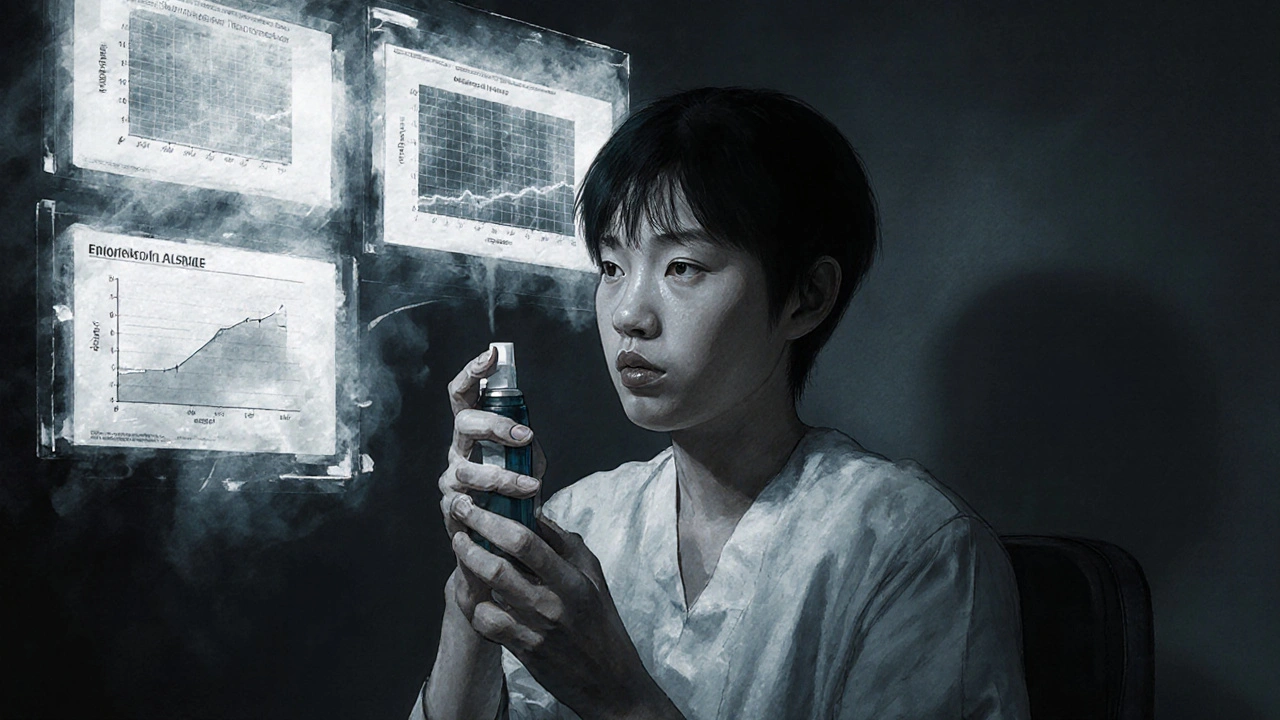
New Drug Approvals 2024-2025: What’s Approved and How Safe Are They?
Explore the latest FDA-approved drugs from 2024-2025, including Alzheimer's treatments, emergency medications, and breakthrough therapies. Learn how they work and what their real-world safety profiles reveal.
About
Medications
Latest Posts

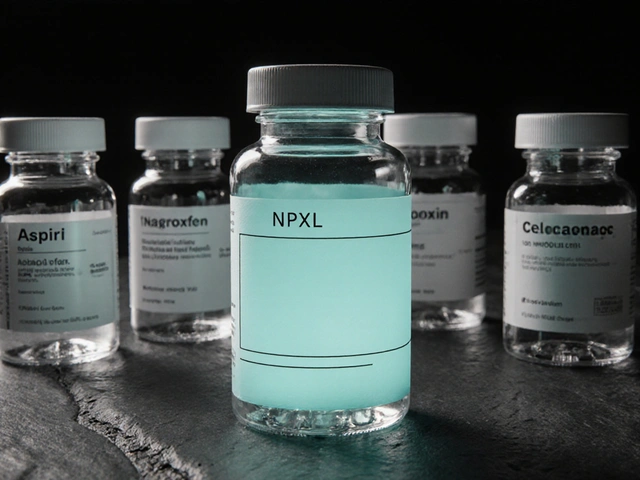
NPXL vs Alternatives: In‑Depth Comparison of Top Pain‑Relief Options
By Orion Kingsworth Oct 16, 2025
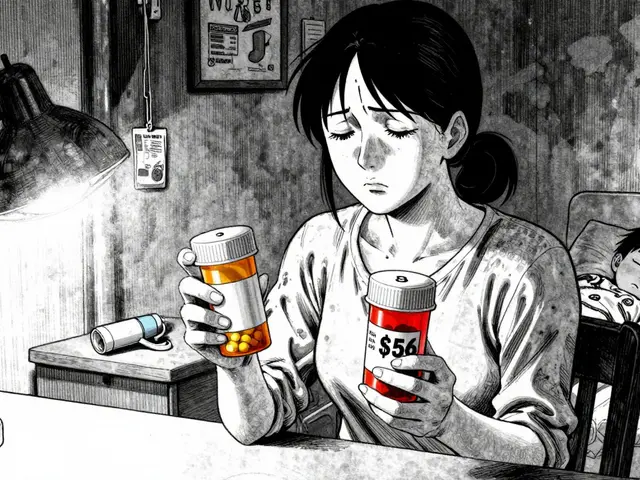
Medicaid and Generics: How Low-Income Patients Save Hundreds on Prescription Drugs
By Orion Kingsworth Feb 18, 2026

Understanding Priligy Tablets for Premature Ejaculation Treatment: A Comprehensive Drug Guide
By Orion Kingsworth Mar 22, 2024