CNS Depression: Causes, Risks, and Medications That Can Trigger It
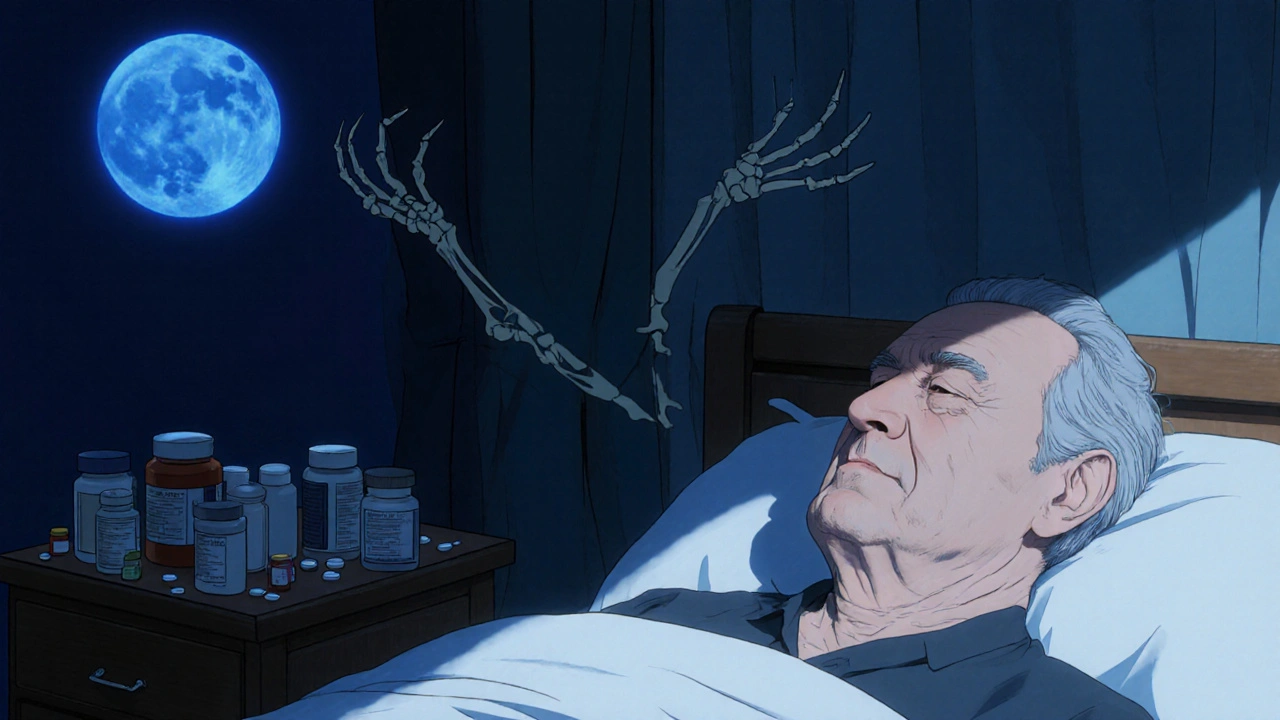
When your central nervous system (CNS) slows down too much, it’s called CNS depression, a condition where brain and spinal cord activity drops below safe levels, often due to medications or substances. Also known as central nervous system suppression, it’s not just drowsiness—it’s a medical emergency that can stop your breathing. This isn’t something that happens overnight. It builds up when you mix drugs, take too much of one, or have a health condition that makes your body process them differently.
CNS depression is most often caused by opioids, painkillers like morphine, oxycodone, and fentanyl that directly slow brain signals. But it’s not just opioids. Benzodiazepines, such as Xanax or Valium, used for anxiety or insomnia, can do the same thing—especially when combined with alcohol or sleep aids. Even some muscle relaxants, antihistamines, and antipsychotics can push you over the edge if you’re not careful. The real danger? Many people don’t realize they’re at risk until it’s too late. A single extra pill, a glass of wine, or switching to a stronger generic version can trigger it.
It’s not just about the drug itself—it’s about how your body handles it. Older adults, people with liver disease, or those on multiple medications are more vulnerable. And here’s the part no one talks about: generic versions of these drugs are chemically identical to brand names, so the risk doesn’t change. If your doctor switched your prescription and you suddenly feel foggy or sluggish, that’s not "just aging." It could be CNS depression creeping in.
Signs you should never ignore: extreme drowsiness, slurred speech, slow or shallow breathing, confusion, or losing balance. If someone you know can’t stay awake or their breathing sounds like a gasp, call 911. Naloxone can reverse opioid-related CNS depression, but only if you act fast. And if you’re on any of these meds, never skip telling your doctor about every supplement, herb, or over-the-counter pill you take. St. John’s Wort, melatonin, or even some cold medicines can turn a safe dose into a dangerous one.
What you’ll find in the posts below are real cases and clear explanations—how antibiotics can lead to C. diff, why NSAIDs trigger asthma in some, how insulin needs change with steroids, and why mixing supplements with prescription drugs can backfire. These aren’t theoretical risks. They’re daily realities in clinics and homes. You’ll learn what actually works, what doesn’t, and how to protect yourself without guessing.
Medications
9
Comments
Combining Multiple Sedatives: The Hidden Danger of CNS Depression
Mixing sedatives like opioids, benzodiazepines, and sleep aids can cause deadly respiratory depression. Learn the real risks, who's most vulnerable, and what to do if you're on multiple CNS depressants.
About
Medications
Latest Posts


Udenafil in Bodybuilding: Myths, Facts, and Benefits
By Orion Kingsworth Sep 8, 2024

Itraconazole and its use in combating mold and mildew in homes
By Orion Kingsworth May 13, 2023
St. John’s Wort and SSRIs: The Hidden Danger of Serotonin Syndrome
By Orion Kingsworth Nov 3, 2025
