Disclose Supplements: What You Need to Know Before Taking Them
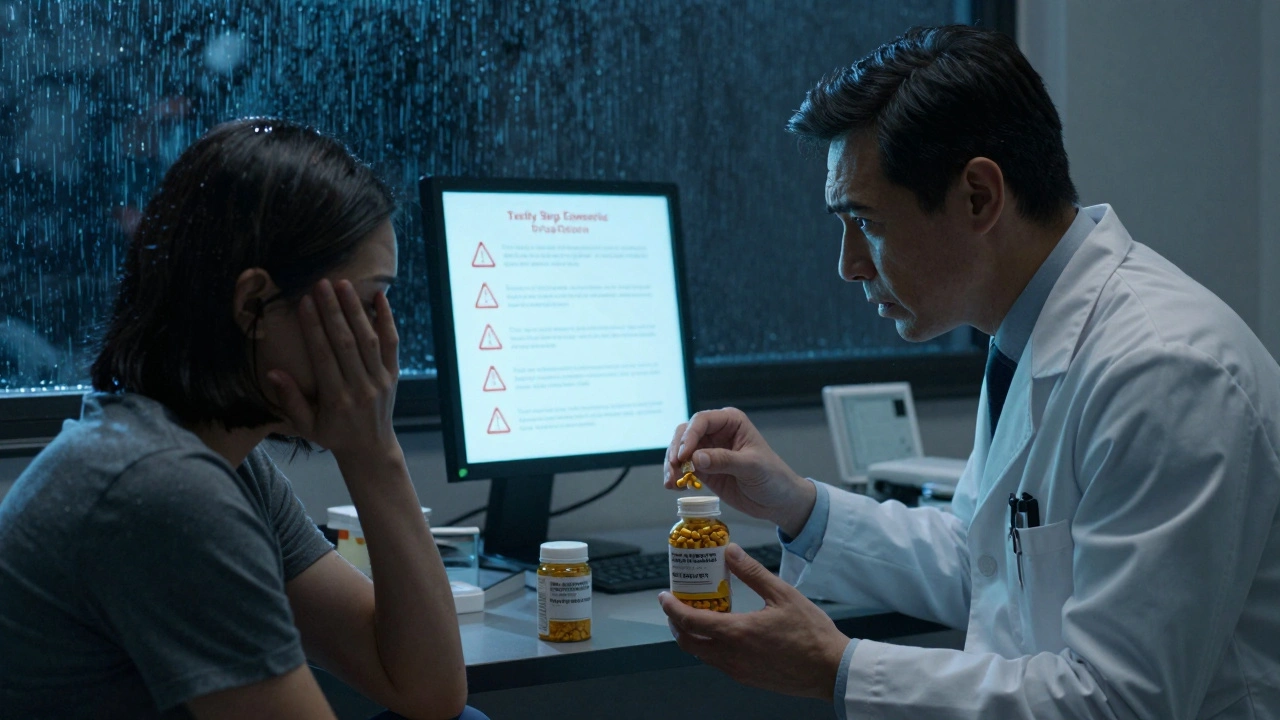
When you take disclose supplements, the act of telling your healthcare provider about every vitamin, herb, or dietary product you use. Also known as supplement disclosure, it’s not just a formality—it’s a safety step that could prevent a life-threatening reaction. Most people think supplements are harmless because they’re sold over the counter. But that’s not true. St. John’s Wort can cancel out your antidepressant. Calcium supplements can block your thyroid medication. Even something as simple as vitamin K can undo your blood thinner. These aren’t rare cases—they happen every day, and they’re often preventable.
The real problem isn’t the supplements themselves—it’s the silence around them. Patients rarely mention them unless asked. Doctors rarely ask. Meanwhile, drug interactions, harmful reactions between prescription meds and over-the-counter products are rising. A 2023 study found that nearly 1 in 5 adults taking prescription drugs also used supplements that could interfere. And when those interactions happen, they’re often missed because the supplement isn’t on the patient’s official list. supplement safety, how to use dietary products without risking health isn’t about avoiding them—it’s about managing them like medicine. That means knowing the exact name, dose, and why you’re taking it. It means checking if your multivitamin contains iron when you’re on an antibiotic. It means realizing that "natural" doesn’t mean safe.
And then there’s the labeling mess. Many supplements don’t list all ingredients. Some contain hidden drugs—like erectile dysfunction pills in "male enhancement" products. Others have inconsistent dosing—your bottle of turmeric might have 500mg one month and 200mg the next. That’s why herbal supplements, plant-based products used for health benefits need special attention. They’re not regulated like drugs. That means no guarantee of purity, potency, or safety. And if you’re on multiple meds—especially for heart, diabetes, or mental health—you’re at higher risk. The solution isn’t to stop taking supplements. It’s to talk about them. Write them down. Bring the bottles to your appointment. Ask: "Could this interfere with anything I’m taking?" That one conversation could stop a hospital visit before it starts.
What follows are real cases and clear answers about how supplements interact with medications, what to watch for, and how to protect yourself. You’ll find stories from people who didn’t know their fish oil was thinning their blood too much, or how a common herbal sleep aid triggered a dangerous reaction with their anxiety med. You’ll learn which supplements are most likely to cause trouble, how to read labels properly, and why your pharmacist might be your best ally. This isn’t theory. It’s what’s happening right now—in clinics, pharmacies, and homes. And you don’t need to be a expert to get it right. Just honest. And careful.
Health and Wellness
11
Comments
Why You Must Tell Your Doctor About Every Supplement and Herbal Remedy You Take
Many people take supplements without telling their doctor - but this can be dangerous. Learn why disclosing herbal remedies and vitamins is critical to avoid harmful interactions with medications and ensure safe, effective care.
About
Health and Wellness
Latest Posts

NSAID Sensitivity and Asthma: What Patients Should Watch
By Orion Kingsworth Nov 28, 2025

Caffeine Cutoff Times: When to Stop Coffee for Better Sleep
By Orion Kingsworth Dec 17, 2025

Viagra Sublingual vs Alternatives: Which ED Pill Works Best?
By Orion Kingsworth Sep 25, 2025