Drug Combinations: What Works, What Risks, and How to Stay Safe
When you take drug combinations, two or more medications used together to treat a condition or manage side effects. Also known as polypharmacy, it's something millions do daily—whether it's blood pressure pills with a diuretic, painkillers with stomach protectants, or antidepressants with sleep aids. But mixing drugs isn't just about adding effects; it's about how they interact inside your body.
Not all drug interactions, changes in how a drug works when taken with another substance. Also known as medication interactions, they can be harmless—or life-threatening. For example, taking St. John’s Wort with an SSRI can trigger serotonin syndrome, a spike in brain chemicals that causes seizures, high fever, and confusion. Or consider NSAIDs like ibuprofen for someone with asthma—7% of asthma patients react badly, sometimes with fatal results. Even generic drugs, medications identical in active ingredient to brand-name versions but sold under different labels. Also known as bioequivalent drugs, they carry the same interaction risks as their branded cousins. A study in the New England Journal of Medicine found no difference in interaction rates between generics and brands—what matters is the chemical, not the label.
But here’s the real problem: most people don’t tell their doctors about every pill, herb, or supplement they take. That’s why medication safety, the practice of avoiding harm from drugs through proper use, monitoring, and communication. Also known as pharmacovigilance, it’s often the first line of defense gets ignored. One person takes a generic version of a blood thinner, switches manufacturers, and suddenly their INR spikes—because the filler changed slightly and altered absorption. Another takes a new OTC allergy pill while on a heart medication and ends up in the ER with a dangerous rhythm. These aren’t rare cases. They happen because we assume "it’s just a pill" or "it’s natural, so it’s safe." But drug combinations don’t care if something is herbal, over-the-counter, or prescribed. They react based on chemistry.
And it’s not just about side effects. Sometimes, a combination just doesn’t work. A patient on a generic version of a seizure med finds their seizures returning—not because the drug is fake, but because the bioequivalence range was at the edge of tolerance. That’s therapeutic failure, when a medication stops working as expected, even though it’s taken correctly. Also known as treatment breakdown, it’s often blamed on the patient, not the formulation. In some cases, switching back to the original brand or a different generic fixes it. But without knowing the details, you’re guessing.
What you’ll find in the posts below isn’t a list of every possible combo—it’s the real stories behind the ones that matter. From naloxone paired with opioids to prevent overdoses, to how steroids wreck blood sugar in diabetics, to why Chinese-made generics sometimes trigger recalls over nitrosamine contamination. You’ll see how insurance plans push certain combos to save money, how partial fills and back-orders can lead to dangerous gaps, and why telling your doctor about every supplement isn’t just good advice—it’s a survival step. These aren’t theory pieces. They’re based on data, patient reports, and clinical reality. If you take more than one pill a day, you need to know this.
Medications
9
Comments
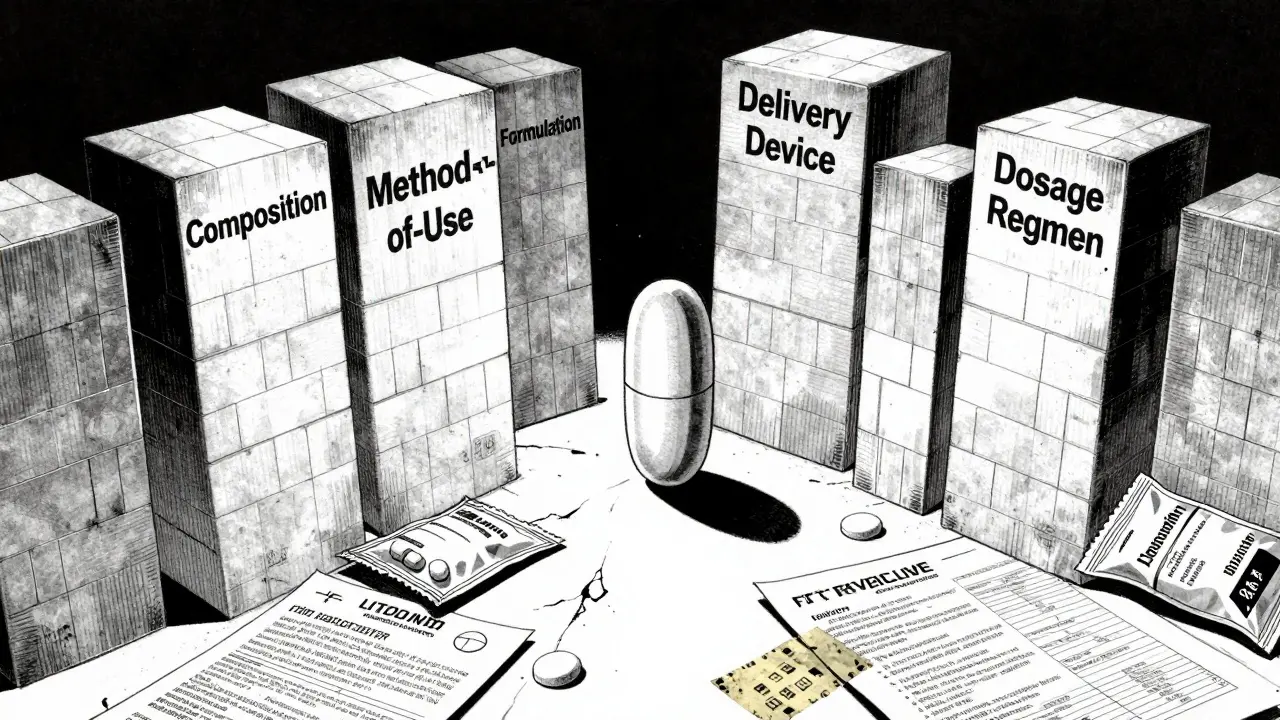
Formulation Patents on Drug Combinations: How Brands Extend Exclusivity
Formulation patents on drug combinations let pharmaceutical companies extend market exclusivity beyond core patents by protecting specific ratios, delivery methods, and dosing regimens. These strategies delay generics, boost revenues, and spark regulatory scrutiny.

Medications
9
Comments
Combining Multiple Sedatives: The Hidden Danger of CNS Depression
Mixing sedatives like opioids, benzodiazepines, and sleep aids can cause deadly respiratory depression. Learn the real risks, who's most vulnerable, and what to do if you're on multiple CNS depressants.
About
Medications
Latest Posts


Seized Counterfeit Medications: Real Cases and What We’ve Learned
By Orion Kingsworth Dec 30, 2025
Insurance Benefit Design: How Health Plans Use Generics to Cut Costs
By Orion Kingsworth Dec 1, 2025
Cefprozil Storage & Disposal Guide: Keep Antibiotics Safe
By Orion Kingsworth Oct 24, 2025