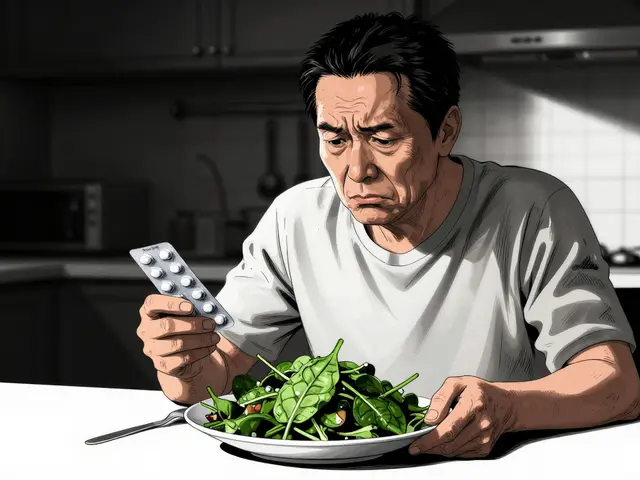
FDA Drug Approvals: What You Need to Know About New Meds and Safety Alerts
When you pick up a new prescription or grab an over-the-counter pill, you’re relying on FDA drug approvals, the official process the U.S. Food and Drug Administration uses to decide if a medication is safe and effective for public use. Also known as drug authorization, this system is the gatekeeper between pharmaceutical companies and millions of patients. It’s not just a stamp of approval—it’s a chain of reviews, tests, and ongoing monitoring that affects everything from your allergy pills to your heart medication.
FDA drug approvals don’t end when a drug hits the shelf. The real work begins after launch. That’s why you see recalls for nitrosamine contamination, a class of cancer-causing impurities found in blood pressure and diabetes meds, or alerts about generic drug failures, when a copy of a brand-name drug doesn’t work the same way in your body. These aren’t rare glitches—they’re part of how the system tries to catch problems after the fact. The FDA tracks side effects through systems like FAERS and OpenFDA, and when patterns emerge, they act. Sometimes that means updating labels. Other times, it means pulling hundreds of batches off store shelves.
Not all approved drugs are created equal. Authorized generics, exact copies of brand-name drugs sold under a different label often have the same quality as the original, but regular generics can vary in how they’re made—especially if they come from factories with poor oversight. That’s why FDA inspections in countries like China, which produces most of the world’s drug ingredients, matter so much. A single batch of bad active ingredient can ripple through thousands of pills sold across the U.S.
And it’s not just about safety. The approval process also shapes access. States push for generic use to cut costs, but that doesn’t always mean better outcomes. Sometimes, a generic fails because of tiny differences in how it’s absorbed—something your doctor might not know unless you report it. That’s why tracking your own reactions and knowing your allergy list matters. The FDA’s safety alerts often lag behind real-world problems, especially for generics, because labeling rules haven’t kept up with how drugs are made today.
What you’ll find here isn’t just a list of news stories. It’s a collection of real cases—like the opioid itch that antihistamines can’t fix, or the statin side effects tied to your genes—that show how FDA drug approvals connect to your daily health. You’ll see how a contaminated batch of valsartan led to recalls, why some people can’t tolerate generics, and how a fecal transplant became a last-resort cure for a deadly infection triggered by antibiotics. These aren’t abstract policies. They’re the reason your medicine works—or doesn’t.
Medications
12
Comments
New Drug Approvals 2024-2025: What’s Approved and How Safe Are They?
Explore the latest FDA-approved drugs from 2024-2025, including Alzheimer's treatments, emergency medications, and breakthrough therapies. Learn how they work and what their real-world safety profiles reveal.
About
Medications
Latest Posts

How to Update Your Allergy List Across All Healthcare Providers
By Orion Kingsworth Nov 14, 2025

Fibromyalgia Pain: How Antidepressants Help Manage Widespread Chronic Pain
By Orion Kingsworth Dec 28, 2025
How and Where to Buy Metformin Online Safely (2025 Guide)
By Orion Kingsworth Aug 23, 2025