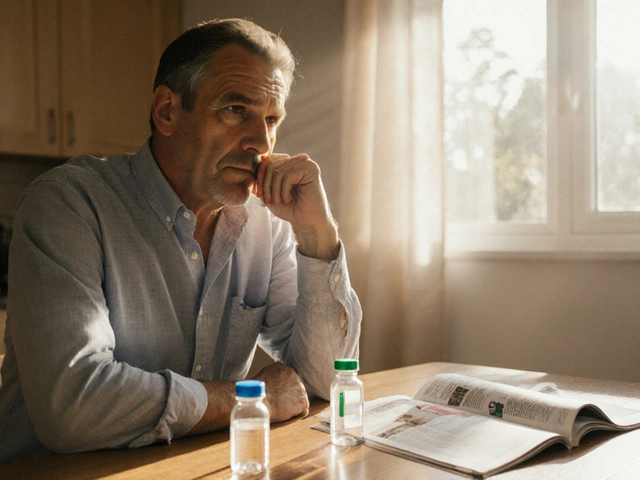
FDA Recalls: What You Need to Know About Drug Safety Alerts and Outdated Medications
When the FDA recalls, a public safety action taken by the U.S. Food and Drug Administration to remove dangerous or mislabeled drugs from the market. Also known as drug withdrawal, it’s not just paperwork—it’s a lifeline for people who might otherwise take a harmful pill. These aren’t rare events. In 2023 alone, over 150 medications were pulled or restricted because of contamination, incorrect dosing, or hidden side effects. Many of these recalls involve generics, where quality control gaps in overseas manufacturing have led to real harm.
One major reason recalls happen is because generic drug labeling, the official information provided with a medication that should reflect its risks and proper use. Also known as drug monograph, it often lags behind brand-name versions. A drug like valsartan was recalled years after its brand-name counterpart due to a cancer-causing impurity, but patients weren’t warned because the generic label hadn’t been updated. This isn’t an accident—it’s a system flaw. The same goes for FDA safety alerts, official communications issued by the FDA to warn healthcare providers and the public about emerging drug risks. Also known as MedWatch advisories, they’re critical but sometimes delayed. If you’re on a drug like chloramphenicol or carbamazepine, you need to know the signs of rare but deadly reactions like aplastic anemia. These aren’t theoretical risks—they’ve killed people who didn’t realize their meds were unsafe.
And it’s not just about bad batches. Sometimes the problem is the manufacturer itself. Chinese generic production, the large-scale manufacturing of active pharmaceutical ingredients in China, which supplies most of the world’s generic drugs. Also known as API sourcing, it’s efficient—but inspections show widespread issues with data integrity and contamination. The FDA has shut down factories for falsified test results, yet those same ingredients still end up in your medicine cabinet. You might think your pill is safe because it’s cheap or sold at a big pharmacy, but that doesn’t mean it passed muster.
What can you do? Check your meds regularly. If you’re on a long-term drug—especially blood pressure pills, antibiotics, or antidepressants—sign up for FDA recall alerts. Ask your pharmacist if your prescription has changed manufacturers recently. If your generic suddenly stops working or causes new side effects, it might not be your body—it could be the pill. The posts below cover real cases: from contaminated heparin to mislabeled opioids, from failed generics to delayed warnings. You’ll find practical steps to protect yourself, understand why recalls happen, and spot red flags before it’s too late. This isn’t about fear—it’s about knowing what to look for, and when to act.
Medications
9
Comments
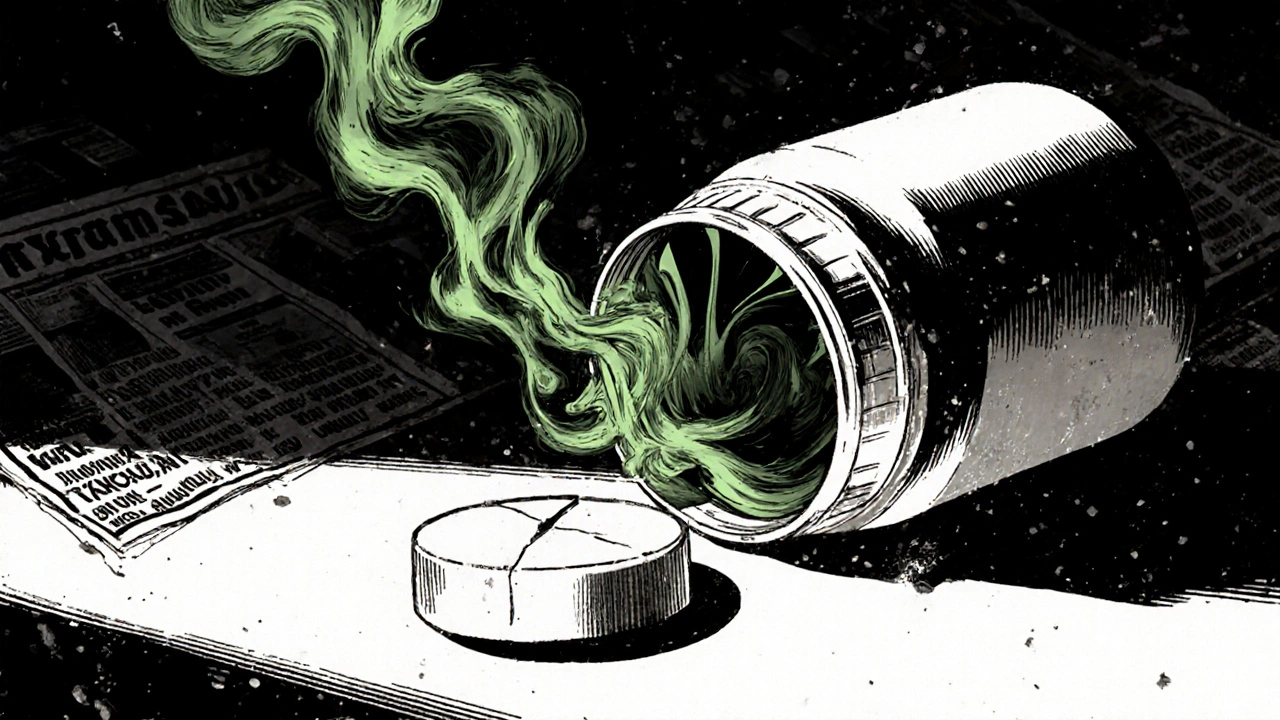
Nitrosamine Contamination in Generic Drugs: Recent Recalls and Regulatory Shifts
Nitrosamine contamination in generic drugs has led to over 500 FDA recalls since 2018. Learn which medications were affected, why it happened, how regulators responded, and what it means for your health.
About
Medications
Latest Posts

How to Handle Partial Fills and Back-Orders Without Errors in Pharmacy Operations
By Orion Kingsworth Nov 20, 2025
Pleural Effusion: Causes, Thoracentesis, and How to Prevent Recurrence
By Orion Kingsworth Jan 23, 2026

Melasma in Men: Causes, Treatments & Prevention Guide
By Orion Kingsworth Sep 25, 2025