Generic Drug Failure: Why Some Generic Medications Don't Work and What to Do
When a generic drug, a medication that contains the same active ingredient as a brand-name drug but is sold without the brand name. Also known as non-brand medication, it is meant to be just as effective and safe fails to work, it’s not just bad luck—it’s often a systemic issue. Generic drugs are supposed to be bioequivalent to their brand-name counterparts, meaning they should deliver the same amount of active ingredient at the same rate. But when patients report no improvement, worsening symptoms, or unexpected side effects, something’s off. The problem isn’t always the patient. It’s the manufacturing, the supply chain, or even outdated regulatory rules that let substandard versions slip through.
Nitrosamine contamination, a class of cancer-causing impurities found in some generic medications since 2018 has triggered over 500 FDA recalls, mostly in blood pressure and diabetes drugs. These weren’t mistakes—they were avoidable failures in chemical synthesis. Then there’s Chinese generic production, the source of 80% of the world’s active pharmaceutical ingredients. FDA inspections have repeatedly found poor data integrity, unclean facilities, and falsified test results. And while the FDA says most generics are fine, the fact that recalls keep happening means trust is breaking down. Even authorized generics, the exact same drug as the brand name, made by the same company but sold under a different label are sometimes the only reliable option—but they’re harder to find and more expensive.
Generic drug failure doesn’t always mean the pill is tainted. Sometimes it’s about how the body absorbs it. A drug might have the same active ingredient, but different fillers or coatings can change how fast it dissolves. That’s critical for drugs like seizure meds or blood thinners, where even small differences in absorption can cause serious harm. Patients on long-term medications often notice changes—mood swings, breakthrough pain, or new side effects—and assume it’s their condition worsening. But it might be a new batch of generics. The system doesn’t always alert you. Labels don’t change. Doctors don’t always know which version you got.
What can you do? Ask your pharmacist: Is this an authorized generic? Check the FDA’s recall list. Keep a log of when symptoms change after switching pills. If you’re on a drug with a narrow therapeutic window—like warfarin, levothyroxine, or lithium—don’t accept a switch without discussing it. The FDA’s safety alerts for generics often lag behind brand-name drugs because labeling rules haven’t kept up. You’re not overreacting if you’re cautious. You’re being smart.
Below, you’ll find real cases, recalls, and practical advice from people who’ve been through this. From the hidden dangers of nitrosamines to why some states push generics harder than others—and why that can backfire. These aren’t theory pieces. They’re stories from the pharmacy counter, the doctor’s office, and the patients who had to fight for the right medicine.
Medications
14
Comments
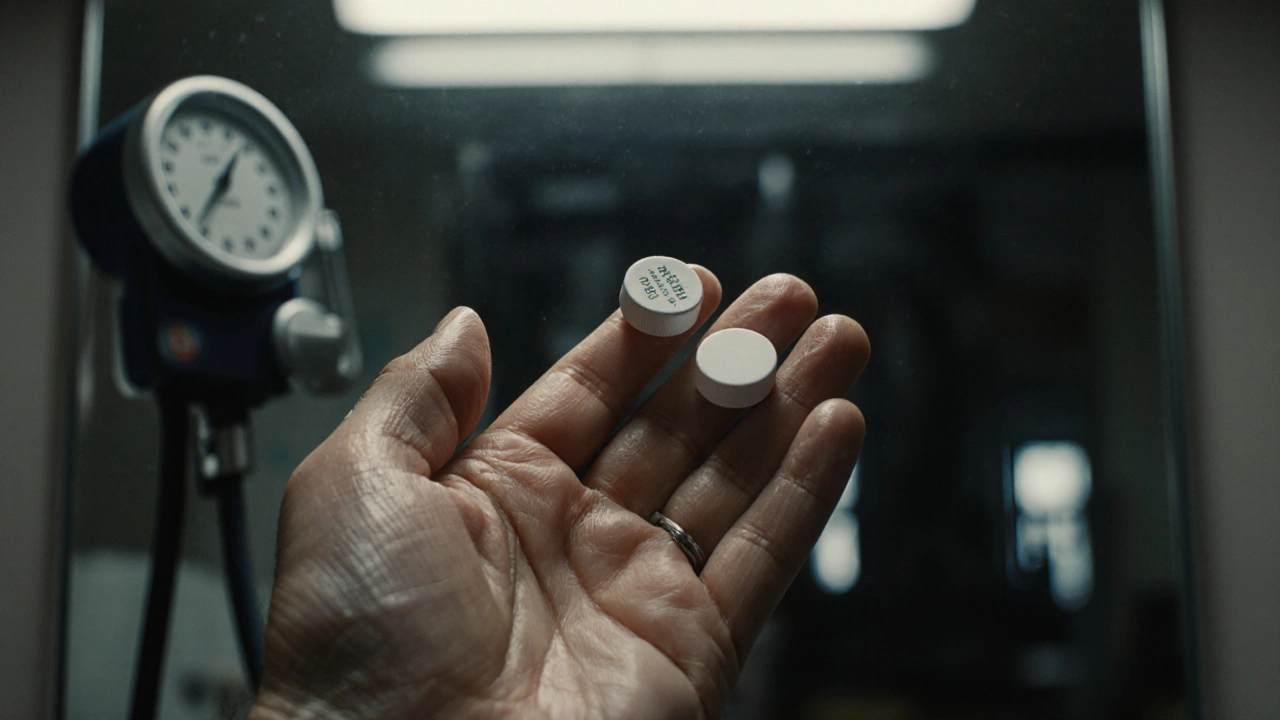
Therapeutic Failures: When a Generic Drug Doesn't Work as Expected
Generic drugs are supposed to be safe, affordable copies of brand-name meds - but when they fail, the results can be deadly. Learn why some generics don’t work as expected and what you can do to protect yourself.
About
Medications
Latest Posts

Price and Efficacy: Why Cheaper Drugs Feel Less Effective
By Orion Kingsworth Mar 11, 2026
Caffeine and Medications: How Your Coffee Could Be Making Your Pills Less Effective
By Orion Kingsworth Dec 11, 2025
Azelaic Acid: A Gentle Solution for Sensitive Skin
By Orion Kingsworth Jan 23, 2025