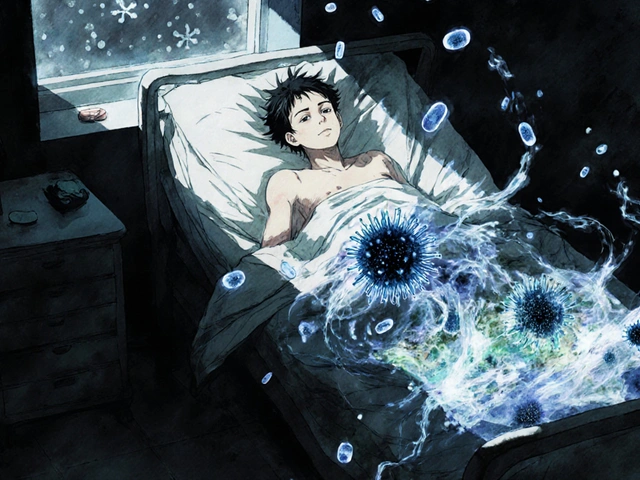
Generic Medication Safety: What You Need to Know About Quality, Risks, and Real-World Concerns
When you pick up a generic medication, a non-brand version of a drug that contains the same active ingredient as the original. Also known as generic drugs, it's meant to work just like the brand-name version—at a fraction of the price. But safety isn’t guaranteed just because it’s cheaper. Many people assume all generics are identical to brand-name drugs, but the truth is more complicated. The FDA requires them to have the same active ingredient, strength, and dosage form, but they don’t require identical inactive ingredients, manufacturing processes, or quality controls. That’s where things can go wrong.
One of the biggest threats to generic medication safety, the reliability and purity of non-brand pharmaceuticals is contamination. Since 2018, over 500 FDA recalls have been linked to nitrosamine contamination, cancer-causing impurities found in certain blood pressure, diabetes, and acid reflux medications. These aren’t random mistakes—they’re often the result of flawed chemical processes in overseas factories, especially in countries that produce 80% of the world’s drug ingredients. China’s generic drug manufacturing has come under repeated scrutiny for data falsification, poor sanitation, and lack of oversight. And while the FDA inspects some facilities, many never get checked at all.
It’s not just about contamination. FDA safety alerts, official warnings about drug risks that sometimes lag for generics due to outdated labeling rules often appear months after the same issue is flagged for brand-name drugs. Why? Because generic manufacturers aren’t always required to update their labels unless the brand-name maker does. That means you could be taking a drug with known side effects, and your doctor might not even know about it. Even more troubling: some states push generic prescribing incentives, policies that reward pharmacies and doctors for choosing cheaper generics—but these don’t always consider safety. A $2 pill that causes a dangerous reaction isn’t a bargain.
And it’s not just about what’s in the pill—it’s about how it’s made. Partial fills, back-orders, and mislabeled batches can lead to dispensing errors. Patients on high-risk drugs like chloramphenicol or carbamazepine might develop rare but deadly conditions like aplastic anemia. Others face hidden dangers like opioid-induced itching or serotonin syndrome from herbal supplements mixed with prescription generics. Even storage and disposal matter—improperly stored antibiotics can lose potency or become toxic.
You don’t need to avoid generics. But you do need to be informed. Know which ones have been recalled. Ask your pharmacist where the drug was made. Check the FDA’s website for recent alerts. Keep an updated allergy list so you don’t get hit with an unexpected reaction. If you notice new symptoms after switching to a generic, don’t brush it off—it could be the formulation, not your body.
Below, you’ll find real cases, recalls, and expert breakdowns that show exactly where generic medication safety works—and where it doesn’t. No fluff. Just facts you can use to protect yourself and your family.
Medications
14
Comments
Therapeutic Failures: When a Generic Drug Doesn't Work as Expected
Generic drugs are supposed to be safe, affordable copies of brand-name meds - but when they fail, the results can be deadly. Learn why some generics don’t work as expected and what you can do to protect yourself.
About
Medications
Latest Posts
Pricing Pressure and Shortages: How Drug Manufacturers Are Under Financial Strain in 2026
By Orion Kingsworth Jan 21, 2026

Natural vs. Synthetic Calcium Carbonate: What's The Difference?
By Orion Kingsworth Feb 5, 2025

Avanafil vs Other ED Drugs: Detailed Comparison with Top Alternatives
By Orion Kingsworth Sep 27, 2025