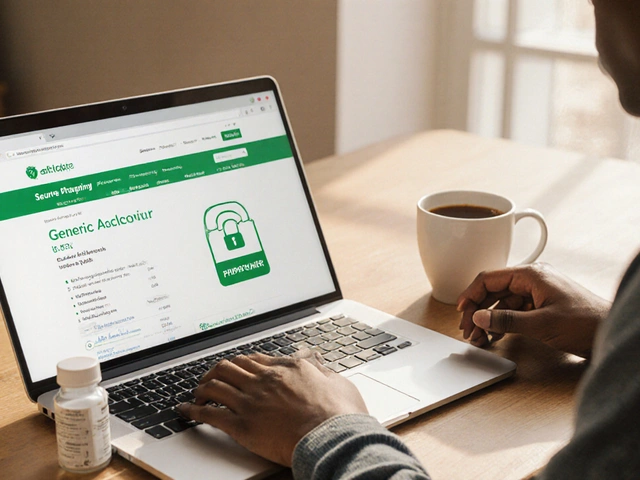
Medication Management: How to Stay Safe, Informed, and in Control
When you’re managing your medication management, the system of tracking, taking, and adjusting drugs to get the best results while avoiding harm. Also known as drug therapy management, it’s not just about remembering to take your pills—it’s about understanding why you’re taking them, when they might fail, and how to spot hidden risks before they become emergencies. Too many people treat meds like groceries: buy it, toss it in the cabinet, and hope for the best. But medication management is a living process. It changes when your doctor switches your generic, when a drug gets recalled, or when a new side effect shows up. It’s the difference between feeling okay and ending up in the hospital.
Real medication management means paying attention to the small things that matter. Like knowing that not all generics are equal—some can trigger therapeutic failure if your body is sensitive to tiny differences in fillers or absorption. Or understanding that drug safety, the ongoing monitoring of how medications affect people in real life, not just in clinical trials isn’t just the FDA’s job. It’s yours too. When nitrosamines showed up in blood pressure pills or when St. John’s Wort messed with antidepressants, the alerts came late because systems lagged. You had to connect the dots yourself. Then there’s pharmacy operations, how pharmacies handle partial fills, back-orders, and inventory errors that can lead to wrong doses. A mislabeled bottle or a delayed refill isn’t just inconvenient—it’s dangerous if you’re on a narrow therapeutic index drug like warfarin or lithium.
And let’s not forget drug interactions, the hidden clashes between medications, supplements, or even foods that can turn a safe treatment into a medical emergency. You might think herbal remedies are harmless, but St. John’s Wort with an SSRI? That’s serotonin syndrome territory—fast, unpredictable, and sometimes deadly. Or opioid-induced itching, where antihistamines don’t work because the problem isn’t histamine at all—it’s nerve pathways firing wrong. These aren’t edge cases. They’re daily realities for millions. Medication management isn’t a checklist. It’s a skill you build by asking questions, checking your records, and knowing when to push back.
What you’ll find below isn’t theory. It’s real stories from people who’ve been through drug shortages, failed generics, contaminated pills, and allergic reactions that slipped through the cracks. You’ll learn how to update your allergy list across all your doctors, why some Chinese-made generics keep getting recalled, and how weight loss can cut your hip pain without a single new prescription. There’s advice on cleaning your inhaler, disposing of antibiotics safely, and why authorized generics might be your best bet when brand-name drugs cost too much. These aren’t just tips—they’re tools to take back control. Because when it comes to your health, knowing how to manage your meds isn’t optional. It’s essential.
Medications
14
Comments
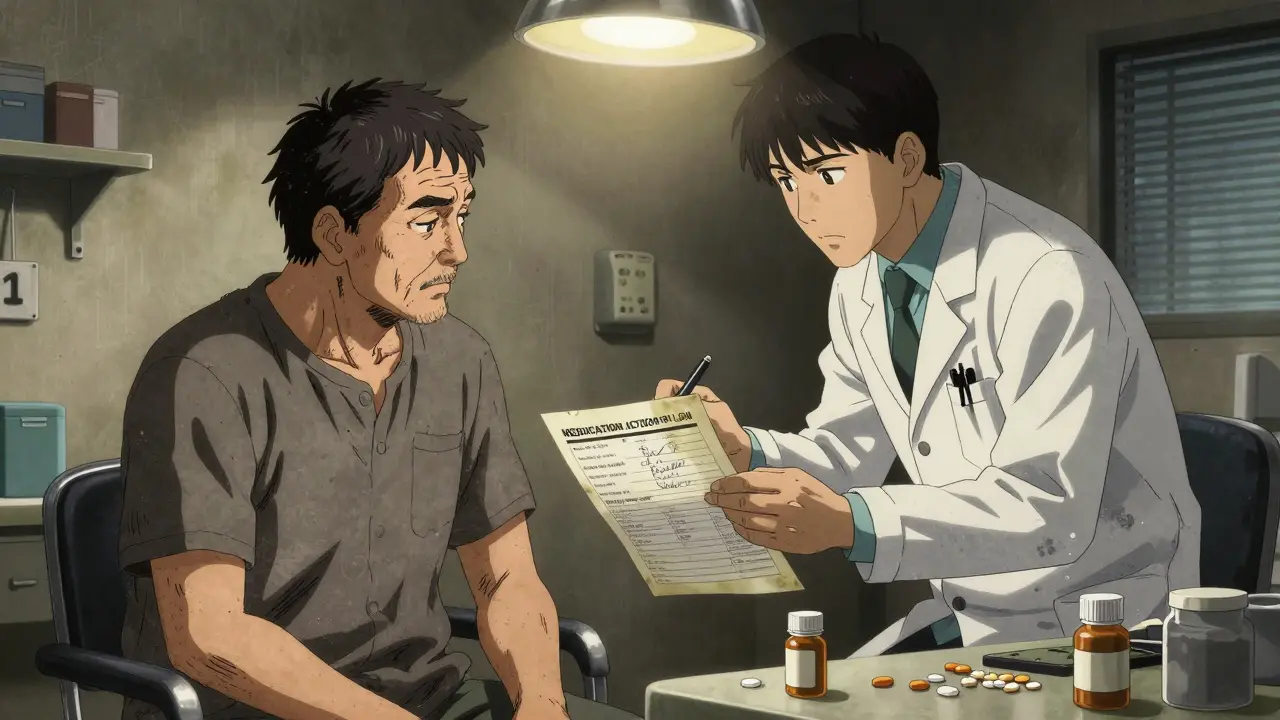
How to Use a Medication Action Plan Template During Healthcare Visits
A Medication Action Plan helps you take your meds safely by clearly tracking what you take, why, and when. Bring it to every doctor visit to prevent errors, improve adherence, and avoid dangerous interactions.

Medications
8
Comments
Steroid Hyperglycemia in Diabetes: How to Adjust Insulin and Medications
Steroid hyperglycemia can spike blood sugar in diabetics and even trigger new-onset diabetes. Learn how to adjust insulin doses, monitor glucose, and avoid dangerous lows during steroid tapering with expert-backed strategies.
About
Medications
Latest Posts


Buy Cheap Generic Bactrim Online - Safe Pharmacy Guide 2025
By Orion Kingsworth Sep 30, 2025
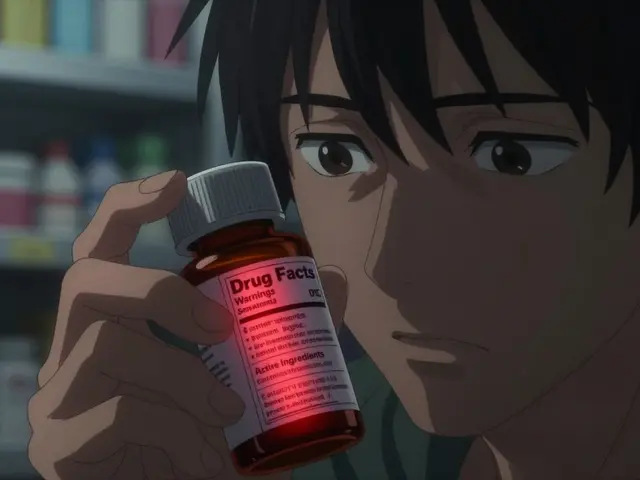
How to Read OTC Drug Facts Labels Correctly and Confidently
By Orion Kingsworth Jan 26, 2026

Imodium Guide: How to Use Loperamide Safely for Diarrhea
By Orion Kingsworth Sep 21, 2025