Partial Fills: Why Your Prescription Might Not Come Complete and What to Do
When you pick up a prescription and the pharmacist hands you only part of it, it’s not a mistake—it’s a partial fill, a practice where a pharmacy dispenses less than the full prescribed quantity at one time. Also known as split fills, this is often done to manage controlled substances, stretch limited supplies, or follow insurance rules. It’s legal, regulated, and increasingly common, especially for opioids, stimulants, and high-cost medications.
Partial fills aren’t just about drug control. They’re tied to pharmacy practices, the operational policies pharmacies follow to balance patient needs, legal requirements, and cost constraints. For example, if your doctor prescribes 120 pills but your insurance only covers 30 per month, the pharmacy will give you 30 now and the rest later. The same thing happens during medication shortages, when manufacturers can’t keep up with demand, forcing pharmacies to ration supplies. You might see this with antibiotics like amoxicillin, insulin, or even generic blood pressure meds. It’s not about the pharmacy being slow—it’s about supply chains breaking down.
Knowing when a partial fill is normal—and when it’s a red flag—can save you time and stress. If you’re on a controlled substance like Adderall or oxycodone, partial fills are standard under federal law. But if you’re on a daily pill for cholesterol or diabetes and keep getting less than expected, ask why. Is it insurance? A backlog? Or is the pharmacy out of stock? You have the right to know. Some states even require pharmacies to notify you in writing if a partial fill will happen. And if you’re running low, don’t wait until you’re out—call ahead. Many pharmacies can notify you when the rest is in.
What you’ll find below are real stories and practical guides from patients and pharmacists who’ve dealt with partial fills firsthand. You’ll learn how to track your refills, push back when it’s unnecessary, and avoid dangerous gaps in treatment. Whether it’s a controlled drug, a rare medication, or a generic that keeps disappearing from shelves, these posts give you the tools to stay in control—without playing phone tag with your pharmacy.
Online Pharmacies
14
Comments
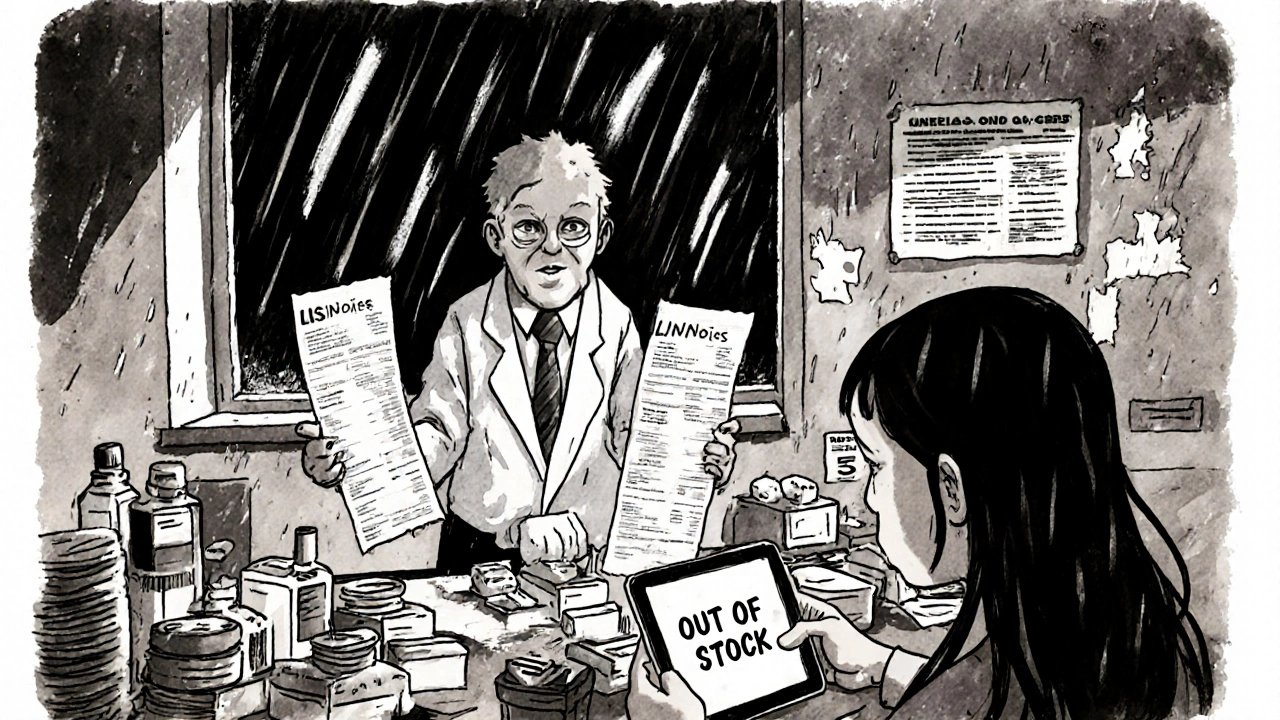
How to Handle Partial Fills and Back-Orders Without Errors in Pharmacy Operations
Learn how to manage partial fills and back-orders in pharmacies without risking dispensing errors. Real-world strategies for inventory tracking, billing, communication, and staff training to keep patients safe and satisfied.
About
Online Pharmacies
Latest Posts


Supporting a Loved One with OCD: Practical Tips for Family and Friends
By Orion Kingsworth Sep 22, 2025

Hepatitis A: What You Need to Know About Infection, Prevention, and Recovery
By Orion Kingsworth Feb 28, 2026

Sweet Violet: The Natural Dietary Supplement to Support Your Health Goals
By Orion Kingsworth Aug 1, 2023