Recent Medications: What’s New, What’s Risky, and What You Need to Know
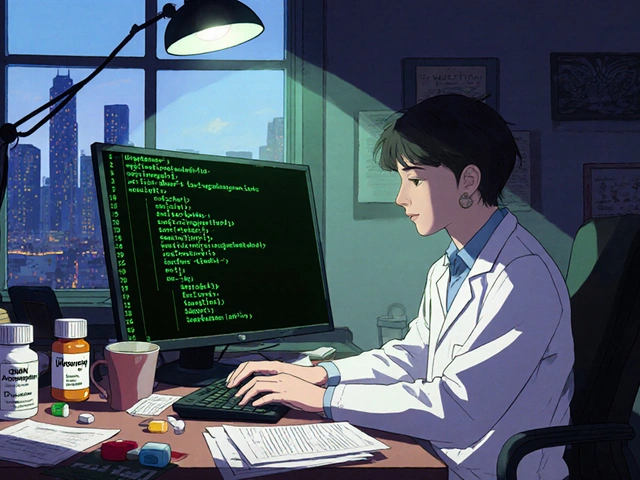
When we talk about recent medications, newly approved or recently updated drugs that have entered the market or been re-evaluated by regulators. Also known as newly released pharmaceuticals, it includes everything from generic versions of old brands to entirely new compounds designed to treat chronic conditions. These aren’t just lab results—they’re pills you might be taking tomorrow, injections your doctor just prescribed, or OTC drugs sitting on your shelf right now. And the truth? Many of them come with hidden risks, surprising benefits, or regulatory red flags you won’t find on the label.
Generic drugs, lower-cost copies of brand-name medications approved by the FDA as bioequivalent. Also known as non-brand pharmaceuticals, it makes up over 90% of prescriptions in the U.S.—but not all are created equal. Some fail to deliver the same results, while others carry contamination risks like nitrosamines, which have triggered over 500 FDA recalls since 2018. Then there are FDA recalls, official warnings issued when a medication is found to be unsafe, ineffective, or improperly manufactured. Also known as drug safety alerts, it aren’t just about bad batches—they often point to systemic problems in how drugs are made, tested, or labeled. These recalls don’t always hit the news, but they directly impact your health.
Drug safety, the ongoing process of monitoring, reporting, and responding to adverse effects of medications after they reach the public. Also known as pharmacovigilance, it isn’t just the job of regulators—it’s your responsibility too. Medications like chloramphenicol can trigger rare but deadly bone marrow failure. St. John’s Wort might seem harmless, but mixing it with SSRIs can cause serotonin syndrome. Even something as simple as an albuterol inhaler needs regular cleaning to work right. And if you’re on statins, your genes might make you more likely to suffer muscle pain—something genetic testing can now uncover.
The collection below dives into exactly what’s changed in the last few years: how Chinese factories produce 80% of the world’s drug ingredients but still struggle with quality control; why some generics don’t work even though they’re "approved"; how opioid itching has nothing to do with allergies; and why fecal transplants cure C. diff infections 90% of the time when antibiotics fail. You’ll find real-world advice on managing partial fills in pharmacies, updating your allergy list across providers, and spotting early signs of medication-induced aplastic anemia. These aren’t theoretical discussions—they’re stories from patients, pharmacists, and researchers who’ve seen the consequences when things go wrong.
What you’re about to read isn’t marketing. It’s the unfiltered truth about what’s in your medicine cabinet—and what you should do about it.
Medications
12
Comments
New Drug Approvals 2024-2025: What’s Approved and How Safe Are They?
Explore the latest FDA-approved drugs from 2024-2025, including Alzheimer's treatments, emergency medications, and breakthrough therapies. Learn how they work and what their real-world safety profiles reveal.
About
Medications
Latest Posts


Unlock the Healing Potential of German Chamomile: Your Ultimate Guide
By Orion Kingsworth May 10, 2024
How to Choose Between Generic Medications for the Same Drug
By Orion Kingsworth Nov 23, 2025
Buy Cheap Generic Zovirax Online - Safe Guide & Best Prices
By Orion Kingsworth Sep 28, 2025