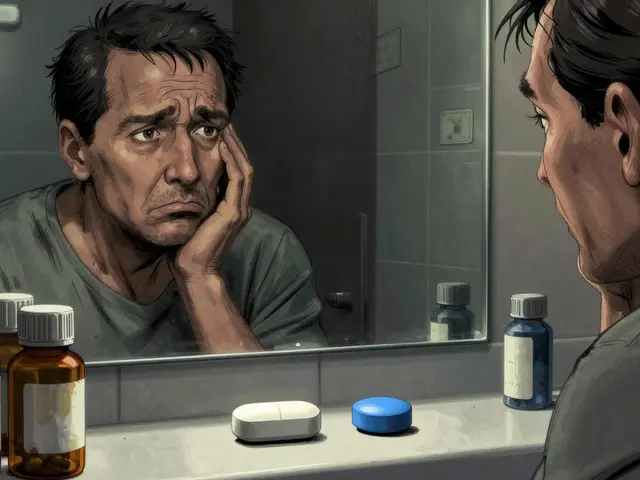
Respiratory Depression: Causes, Risks, and Medications That Can Trigger It
When your breathing slows down too much, it’s called respiratory depression, a dangerous drop in breathing rate that reduces oxygen and increases carbon dioxide in the blood. Also known as hypoventilation, it’s not just a side effect—it can be fatal if not caught early. This isn’t something that happens randomly. It’s most often tied to drugs that calm the central nervous system, like opioids, painkillers such as morphine, oxycodone, and fentanyl that suppress the brain’s drive to breathe, or benzodiazepines, sedatives like Xanax or Valium used for anxiety or sleep. When these are mixed—even with alcohol or sleep aids—the risk spikes fast.
It’s not just about overdosing. People on long-term pain meds, especially after surgery or for chronic conditions, can develop respiratory depression without realizing it. Older adults, those with sleep apnea, or anyone with lung disease are more vulnerable. Even a small increase in dose can push someone over the edge. The signs aren’t always obvious: slow, shallow breaths; confusion; bluish lips; extreme drowsiness. If you’re taking any of these drugs, watch for these cues—not just in yourself, but in others. A loved one might nod off too deeply, or seem unusually quiet. That’s not just tiredness—it could be respiratory depression.
What makes this even trickier is that many people don’t connect the dots between their meds and their breathing. They know opioids are powerful, but they don’t realize even a single extra pill can trigger this. Or they think herbal remedies like kava or valerian are safe, but they can also slow breathing when combined with prescription drugs. And while generic versions of these medications are bioequivalent to brand names, they carry the same risks. That’s why disclosing every supplement you take to your doctor matters—something we’ve seen in multiple posts here, from St. John’s Wort interactions to NSAID risks in asthma patients.
There’s no single fix, but awareness saves lives. If you’re on opioids or sedatives, ask your doctor about naloxone—a medication that can reverse an overdose. Keep it on hand if you live alone or care for someone at risk. Don’t assume you’re safe just because you’ve been on the same dose for months. Tolerance changes. Health changes. And so can your breathing.
Below, you’ll find real-world insights from patients and providers on how these drugs affect the body, what to watch for, and how to avoid dangerous combinations. From opioid-induced itching to medication shortages that force risky substitutions, these posts don’t sugarcoat the risks. They give you the facts you need to stay safe—and to help someone else do the same.
Medications
9
Comments
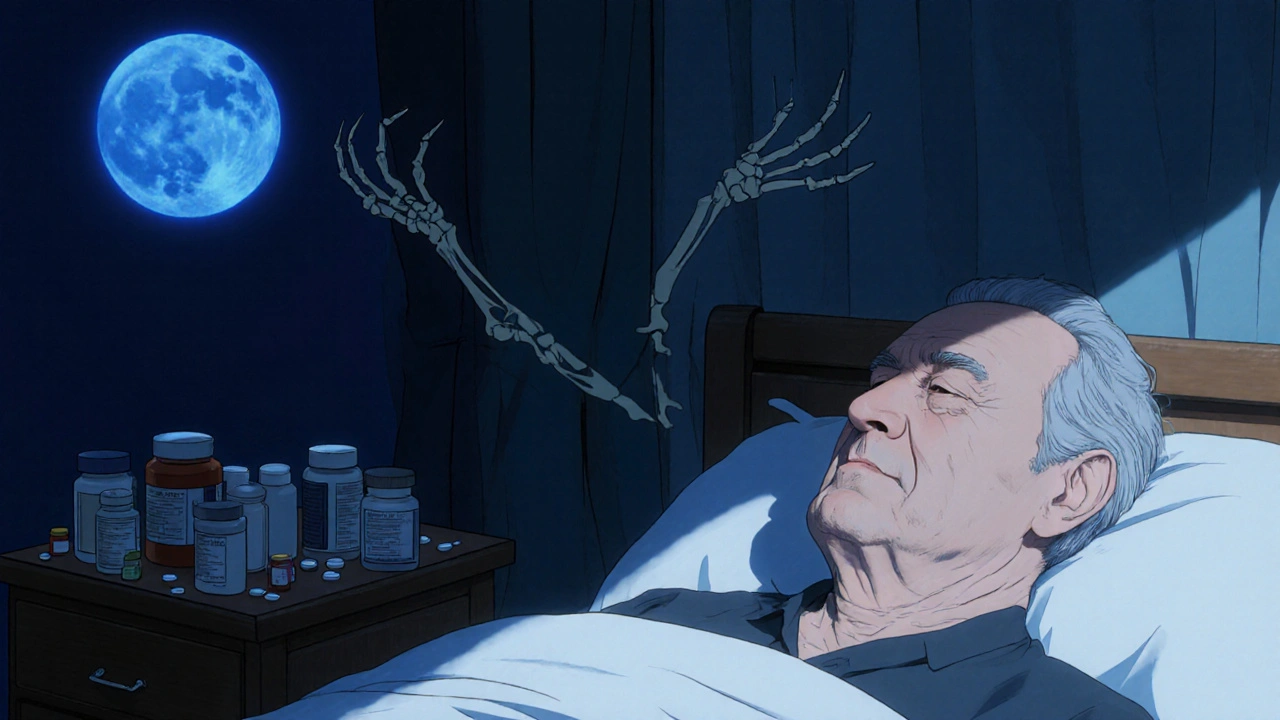
Combining Multiple Sedatives: The Hidden Danger of CNS Depression
Mixing sedatives like opioids, benzodiazepines, and sleep aids can cause deadly respiratory depression. Learn the real risks, who's most vulnerable, and what to do if you're on multiple CNS depressants.
About
Medications
Latest Posts


Unlock the Healing Potential of German Chamomile: Your Ultimate Guide
By Orion Kingsworth May 10, 2024

Calcium, Iron, and Mineral Interactions with Medications: What You Need to Know
By Orion Kingsworth Dec 15, 2025
Bempedoic Acid Side Effects: Gout, Tendon Risks, and What You Need to Know
By Orion Kingsworth Mar 18, 2026