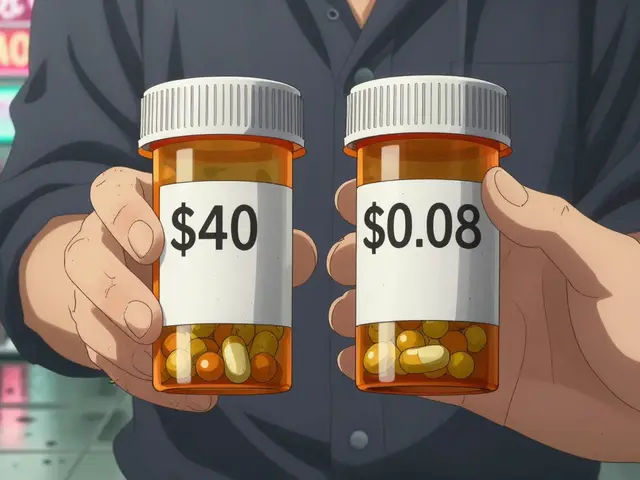
Therapeutic Equivalence: When Generic Drugs Work — and When They Don’t
When you hear therapeutic equivalence, the official FDA standard that says a generic drug performs the same way as its brand-name counterpart in the body. Also known as bioequivalence, it’s the backbone of cheap, accessible medicine — but it’s not foolproof. The system works for most people, most of the time. But when it doesn’t, the results can be serious: seizures, unstable blood pressure, or a flare-up of chronic disease. It’s not about quality control alone — it’s about how your body absorbs and reacts to the exact same chemical, just in a different pill.
Not all drugs are created equal when it comes to bioequivalence, the scientific measure used to prove a generic matches the brand in how fast and how much of the drug enters your bloodstream. For drugs with a narrow therapeutic index, a tiny change in blood levels can cause toxicity or treatment failure — like warfarin, levothyroxine, or phenytoin — even small differences in fillers or coating can throw off your dose. That’s why some patients report feeling worse on a generic, even when the label says it’s identical. And it’s not just about the active ingredient. The inactive parts — the starch, the dye, the time-release shell — can change how your body handles the drug. One study found that patients switching from brand to generic thyroid meds had to get their dose adjusted within weeks. Not because the generic was bad. But because their body reacted differently.
Then there’s the issue of drug alternatives, when a generic isn’t available or fails, and you’re forced to pick another option. That’s where things get messy. A pharmacy might substitute a different generic, or a prescriber might switch you to another drug entirely to avoid a shortage. But not all alternatives are equal. Some are chemically similar but act differently in your system. Others are cheaper but lack the same clinical track record. You might think you’re getting the same thing — but you’re not always.
That’s why the posts here aren’t just about what generics are — they’re about what happens when they fall short. You’ll find real stories of patients whose seizures returned after a generic switch, how nitrosamine contamination slipped through inspections, why authorized generics sometimes outperform regular ones, and how states are pushing generics while ignoring the risks. You’ll see how C. diff outbreaks link to antibiotic substitutions, how steroid doses go haywire when generics vary, and why some people need to stick with brand-name drugs — not because they’re richer, but because their body demands it. This isn’t theory. It’s what’s happening in pharmacies, clinics, and homes right now. And if you’re taking a generic drug, you need to know the difference between a safe swap and a silent risk.

Medications
11
Comments
How to Choose Between Generic Medications for the Same Drug
Learn how to choose between multiple generic medications safely. Understand bioequivalence, therapeutic ratings, and when to stick with one manufacturer to avoid health risks.
About
Medications
Latest Posts


Top 5 Alternatives to NorthwestPharmacy.com for Your 2025 Prescription Needs
By Orion Kingsworth Feb 4, 2025
Authorized Generics: Same Drug, Different Label - What You Need to Know
By Orion Kingsworth Jan 7, 2026
Drug Interactions: Same Risk for Generic and Brand Medications
By Orion Kingsworth Nov 27, 2025