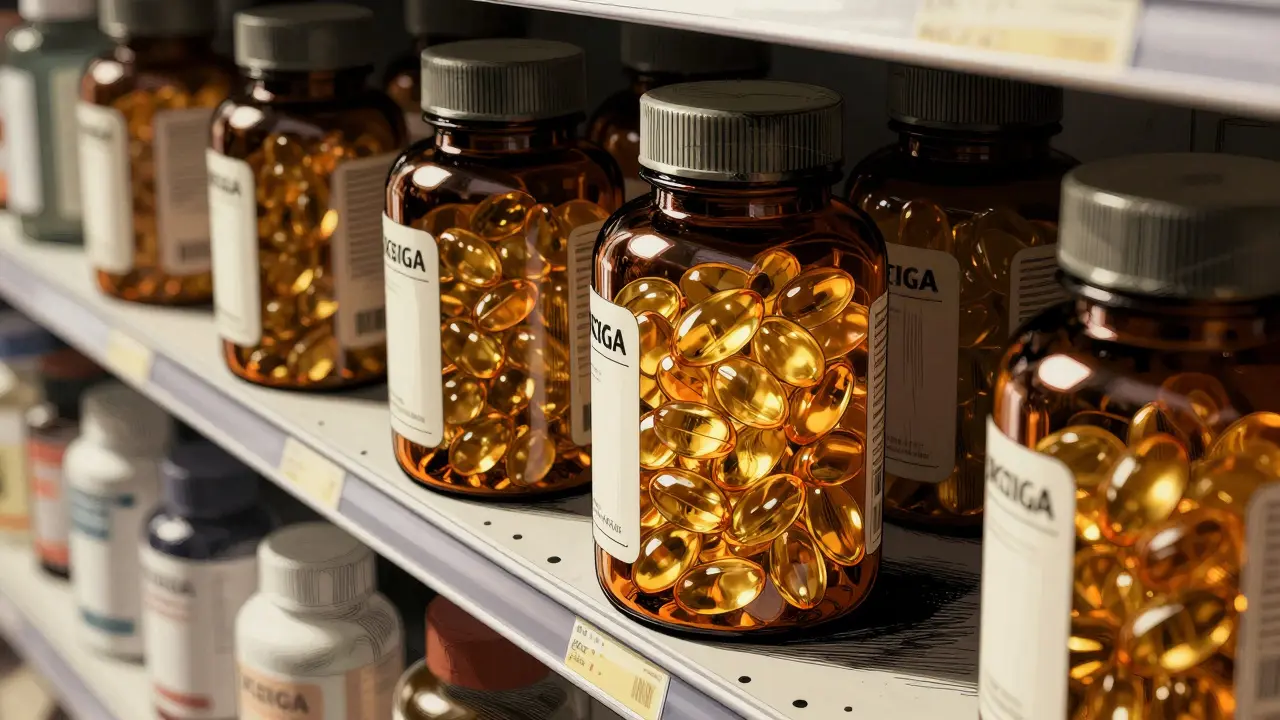
You've probably seen the giant bottles of golden capsules in every pharmacy aisle or heard a doctor mention them during a check-up. For years, the narrative was simple: take fish oil, protect your heart. But if you look at the latest research, the story has become much more complicated. Depending on which study you read, omega-3 fatty acids is a group of essential polyunsaturated fats that play a critical role in the structure and function of human cells that are either a miracle for high-risk patients or a complete waste of money for the average person. The truth is, it depends entirely on who you are and what exactly is inside that capsule.
The Big Debate: Does it Actually Work?
If you ask the American Heart Association, they've generally supported omega-3s for about two decades. Their early guidelines suggested that people with coronary heart disease should aim for about 1 gram of long-chain omega-3s daily. However, the scientific community is currently split into two very different camps.
On one side, you have the results from the REDUCE-IT trial. This study found that high doses of purified EPA significantly cut the risk of cardiovascular events by 25%. On the flip side, a massive 2023 Cochrane review-which looked at 79 different trials and over 112,000 people-found almost no meaningful effect on heart health outcomes. How can two reputable sources be so different? The answer lies in the type of omega-3 and the dose used.
EPA vs. DHA: Not All Fish Oils Are Equal
Most people use the term "fish oil" as a catch-all, but the actual active ingredients are different. The two heavy hitters are EPA (eicosapentaenoic acid) and DHA (docosahexaenoic acid) . While they are often sold together, they don't act the same way in your body.
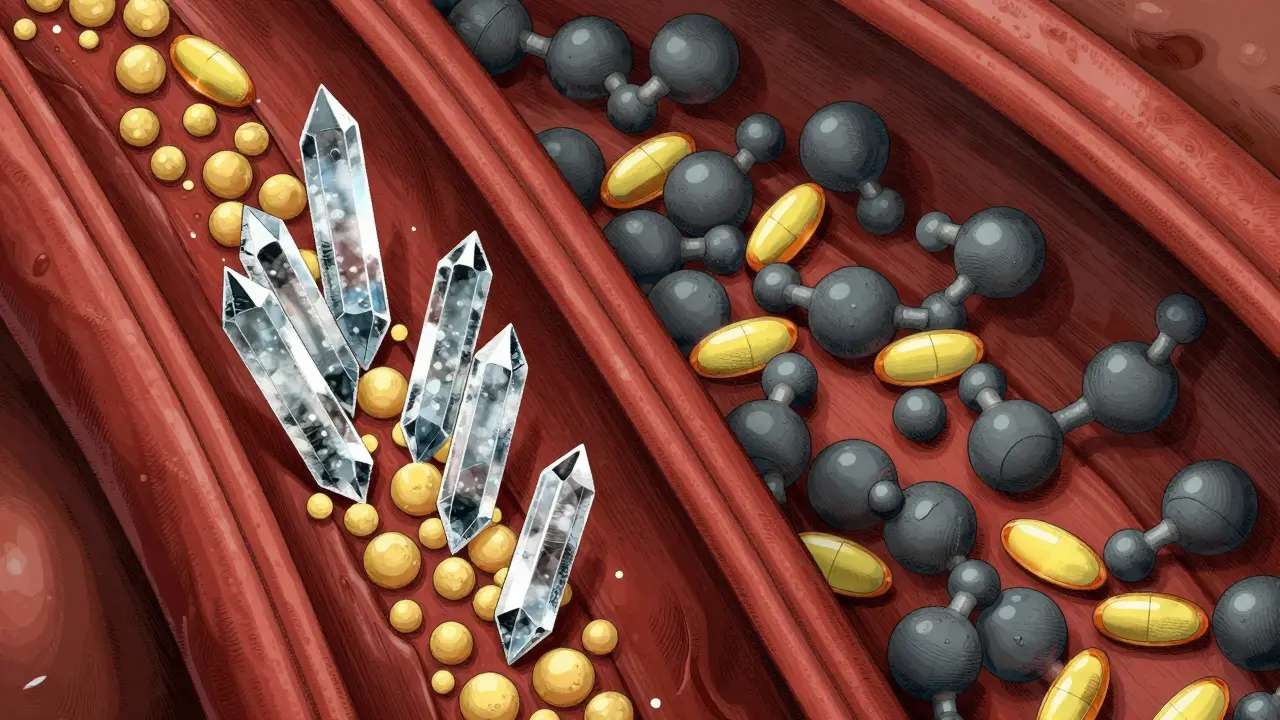
Pure EPA seems to be the real star for heart protection. In the REDUCE-IT trial, patients took 4 grams of a purified EPA formulation called Vascepa, and the results were impressive. But when the STRENGTH trial tried a similar dose using a combination of EPA and DHA, the study was stopped early because it simply wasn't working. This suggests that DHA might actually interfere with some of the benefits EPA provides. It's a bit like adding a filler that dilutes the medicine.
| Formulation Type | Primary Ingredient | Typical Goal | Evidence Level |
|---|---|---|---|
| Purified EPA (Prescription) | High-dose EPA | Reducing CV events in high-risk patients | Strong (REDUCE-IT) |
| Combined EPA/DHA (OTC) | Mixed EPA & DHA | General wellness / Joint health | Mixed/Low for heart |
| ALA (Plant-based) | Alpha-linolenic acid | Basic nutritional requirement | Very Low for CV events |
How It Actually Affects Your Body
When we talk about fish oil benefits, we're usually talking about three main mechanisms. First, there's the effect on triglycerides. If you have high blood fats, omega-3s are incredibly effective, often lowering triglycerides by 25-30% when taken in doses of 2-4 grams daily. This is why the FDA approved specific prescriptions for people with severe hypertriglyceridemia.
Second is the anti-inflammatory effect. Chronic inflammation is like a slow burn that damages your arteries over time. Omega-3s help dampen this response. Third, there's the anti-arrhythmic property. Some evidence shows that these fats make the heart muscle less susceptible to the fatal electrical glitches that cause sudden cardiac arrest.
However, these benefits aren't a magic shield. For a healthy person with no history of heart disease, the VITAL trial showed that 1 gram of omega-3s didn't really lower the overall risk of heart problems. It did, however, show a 28% reduction in heart attacks, particularly in African American participants, which suggests that genetics play a huge role in how we process these fats.
The Trap of Over-the-Counter Supplements
Here is where most people get it wrong: they buy a cheap bottle of fish oil and assume they're getting the same benefits as the clinical trials. Most over-the-counter (OTC) supplements only provide 300-500 mg of combined EPA and DHA per capsule. To get to the 4-gram dose used in the successful REDUCE-IT trial, you'd have to swallow about 8 to 10 giant pills a day. Most people don't do that.
Beyond the dose, there's the quality issue. Fish oil is a fat, and fats go rancid. A 2023 Consumer Reports test found that many popular brands exceeded oxidation limits, meaning you were essentially swallowing "spoiled" oil. This not only tastes terrible (causing that famous fishy burp) but can also be counterproductive to your health.
Should You Eat Fish or Take a Pill?
If you're not in a high-risk category, the best way to get your omega-3s is through food. Eating two 3.5-ounce servings of fatty fish-like salmon, mackerel, or sardines-per week usually provides enough EPA and DHA to meet general health needs. This approach avoids the risks of oxidation and the high cost of prescription versions.
For those who can't or won't eat fish, plant-based options provide ALA (alpha-linolenic acid), found in flaxseeds and walnuts. While ALA is essential, your body is pretty bad at converting it into the EPA and DHA your heart actually needs. You'd need a massive amount of flaxseed to equal one piece of salmon.

The Risks: It's Not All Positive
We often treat supplements as "natural" and therefore harmless, but high-dose fish oil has real side effects. The most common are gastrointestinal issues-bloating and nausea-which affect about 10-20% of users. More seriously, recent data in JAMA Cardiology suggests that high doses of omega-3s may slightly increase the risk of atrial fibrillation (an irregular heart rhythm), particularly in people who already have heart disease.
There is also the concern about blood thinning. While omega-3s don't act as strong anticoagulants as prescription drugs, they can inhibit platelet function. If you're already on blood thinners or facing a major surgery, taking high doses of fish oil could increase your bleeding risk.
Which is better for the heart: EPA or DHA?
Current evidence, specifically from the REDUCE-IT trial, suggests that purified EPA is more effective at reducing cardiovascular events in high-risk patients. Some studies indicate that DHA may actually counteract some of the heart-protective benefits of EPA, although more research is needed to confirm this fully.
How much fish oil should I take daily?
For general health, the NHLBI suggests two servings of fatty fish per week. For those with high triglycerides, the AHA recommends 2-4 grams of combined EPA/DHA. However, you should always consult a doctor before starting high doses due to risks of atrial fibrillation and bleeding.
Can I replace my statins with fish oil?
No. Statins and omega-3s work differently. Statins are far more effective at lowering LDL (bad) cholesterol and reducing overall cardiovascular events. In the REDUCE-IT trial, the purified EPA was given to patients who were already taking statins, showing that the two can work together, but fish oil is not a replacement.
Why do some fish oil supplements taste fishy?
A strong fishy taste or "burp" usually happens because the oil has oxidized (gone rancid) or because the supplement lacks enteric coating. To avoid this, look for supplements that are third-party tested for oxidation and store them in a cool, dark place or the refrigerator.
Are plant-based omega-3s as effective as fish oil?
Plant sources provide ALA, which is a precursor to EPA and DHA. However, the conversion rate in the human body is very low. For significant heart benefits, direct sources of EPA and DHA (like fatty fish or algae-based supplements) are much more effective than ALA from seeds or nuts.
What to Do Next
If you're just looking to improve your general health, start with your plate. Adding salmon or sardines to your diet twice a week is the safest and most evidence-backed way to get your omega-3s. It's cheaper than a prescription and more reliable than a random bottle of pills from the store.
If you have a history of heart disease or your triglyceride levels are over 150 mg/dL, don't just guess with OTC supplements. Talk to your doctor about whether a prescription-grade purified EPA formulation is right for you. Be sure to mention any other medications you're taking, especially blood thinners, to avoid potential complications.