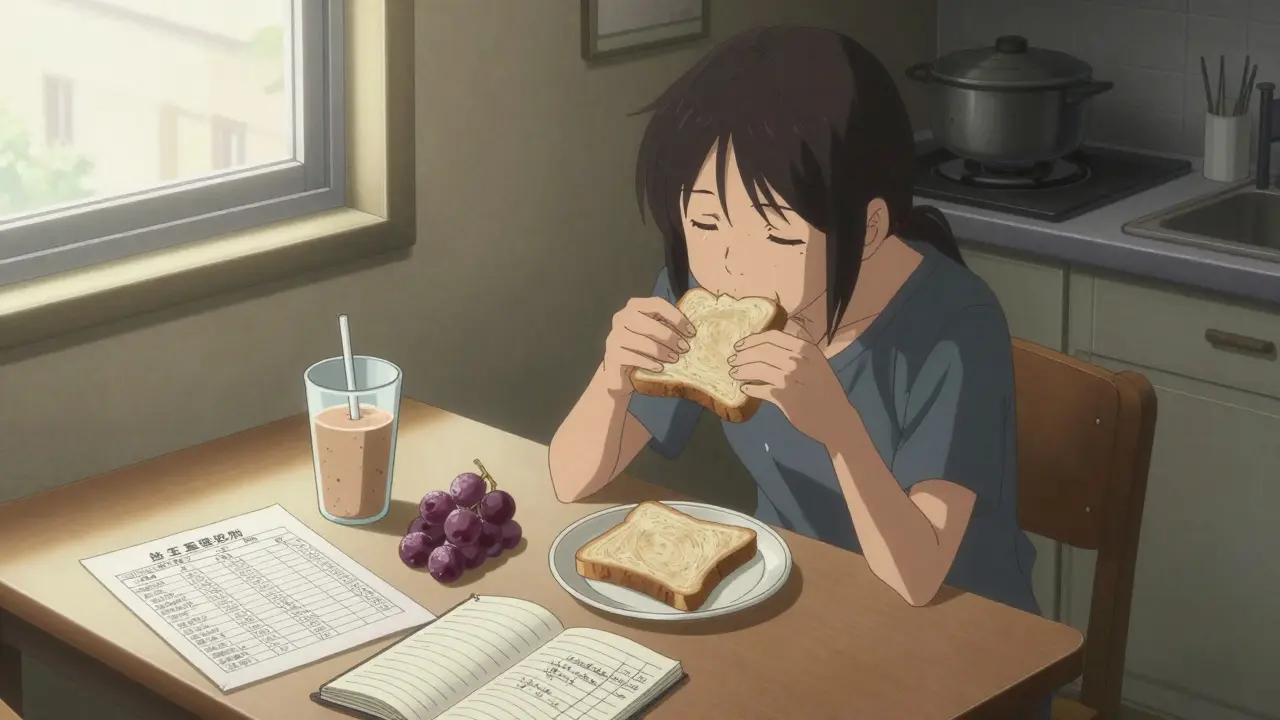
When you're going through chemotherapy, your body isn't just fighting cancer-it's also fighting side effects that make eating feel impossible. Nausea hits hard. Food tastes metallic. Even your favorite meals turn unappealing. And then there’s the weight loss. Not the kind you choose. The kind that sneaks up on you, leaving you weaker, more tired, and at risk of treatment delays. This isn’t about eating healthy for long-term prevention. This is about survival. About getting through each treatment cycle without your body breaking down.
Why Your Nutrition Needs Change During Chemotherapy
Your body needs more than ever during chemotherapy. The drugs attack fast-growing cells-cancer cells, yes, but also the cells lining your gut, your hair follicles, and your immune system. That means your body burns through calories and protein faster than normal. Healthy adults need about 0.8 grams of protein per kilogram of body weight. During chemo? You need 1.2 to 2.0 grams per kilogram. That’s nearly double. And calories? You need 25 to 30 per kilogram per day, not the usual 20 to 25. Skip this, and your muscles start breaking down. Your immune system weakens. Your treatments might get delayed because your body can’t handle it.Managing Nausea: What Actually Works
Nausea isn’t just "feeling queasy." For many, it’s constant, overwhelming, and triggered by smells, textures, or even the thought of food. Greasy foods? They make it worse for 73% of patients. Strong smells? 68% say they trigger vomiting. The solution isn’t just pills-it’s smart eating.- Eat small, frequent meals. Five to six times a day, not three. Each meal should be around 300-400 calories and packed with protein. A spoonful of peanut butter on toast, a hard-boiled egg, or a small cup of Greek yogurt can add up.
- Keep food cold. Hot food releases strong odors. Chilled meals-like yogurt, fruit, or cold sandwiches-cause fewer triggers. Frozen grapes? They’re a favorite for mouth sore relief and help numb nausea.
- Drink between meals, not with them. Filling your stomach with liquids during meals makes bloating and nausea worse. Sip water, ginger tea, or clear broths 30 minutes before or after eating.
- Avoid strong smells. Cooking smells can be unbearable. Ask someone else to cook. Use the microwave. Pre-made meals in containers help. If you must cook, open windows and use a fan.
- Try ginger. Ginger chews, ginger tea, or even ginger capsules helped 287 out of 1,243 people on Cancer Survivors Network. It’s not magic-but it’s backed by research.
Protein Is Non-Negotiable
You might think, "I just need to eat something." But not all calories are equal. If you’re only eating carbs and sugar, your body will still break down muscle to survive. Protein is your armor. It keeps your immune system strong, helps repair tissue, and prevents the muscle wasting that makes recovery harder.- Choose high-protein snacks: hard-boiled eggs, cottage cheese, nut butters, protein shakes, canned tuna, or shredded chicken.
- Boost meals: Add powdered milk to soups, blend peanut butter into smoothies, or stir Greek yogurt into oatmeal.
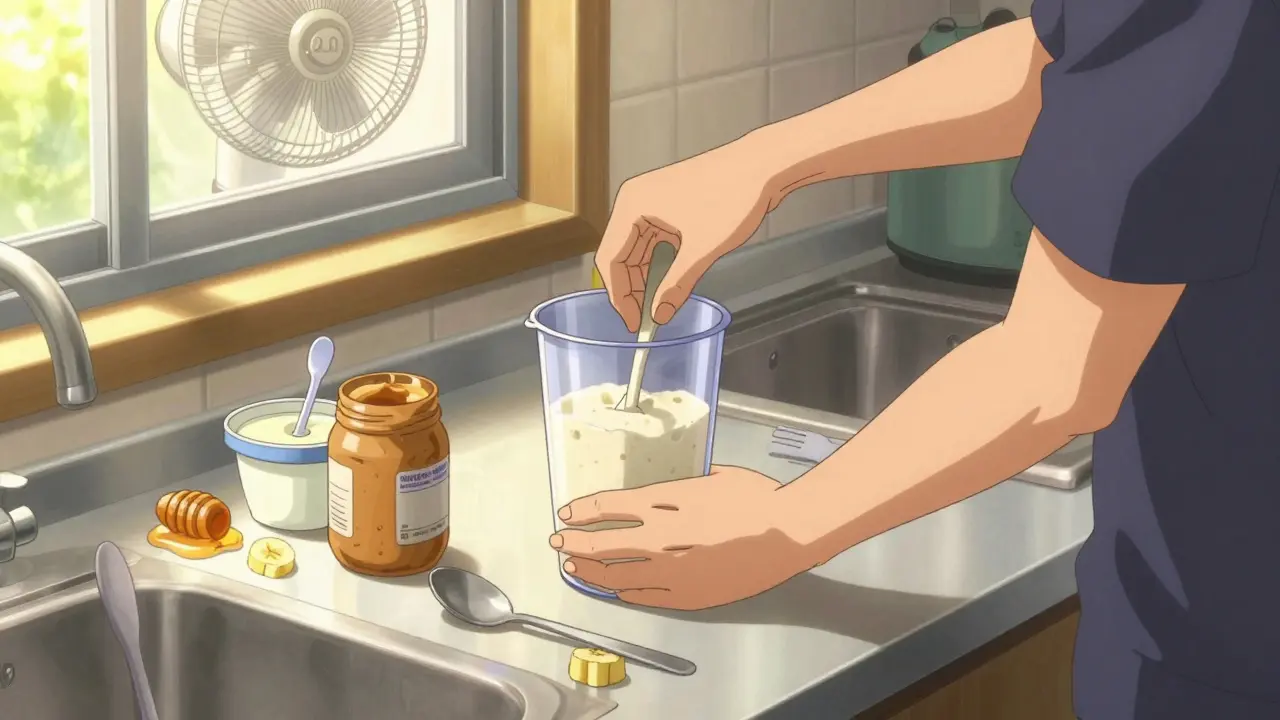
- Try homemade shakes: Blend full-fat Greek yogurt, a spoonful of peanut butter, a banana, honey, and milk. It’s cheaper than store-bought supplements and tastes better.
- Track your intake: Aim for at least 20-30 grams of protein per meal. Use a simple app or notebook. If you’re not hitting that, talk to your dietitian.
Food Safety Isn’t Optional
Chemotherapy weakens your immune system. That means what’s safe for others can be dangerous for you. Raw eggs? Don’t risk it. Sushi? Skip it. Homemade mayo? Avoid it. Even a little Salmonella can land you in the hospital.- Eggs must be cooked until the yolk is firm (160°F or 71°C).
- Meat and fish must be fully cooked-no rare steaks or raw oysters.
- Wash all produce, even if it’s pre-washed.
- Use plastic utensils if metal tastes bitter (a common side effect).
- Reheat leftovers to steaming hot-165°F (74°C)-before eating.
What to Eat When You Can’t Eat
Some days, nothing sounds good. That’s okay. But you still need calories and protein. Here’s what works when appetite vanishes:- Smoothies. Blend full-fat milk, banana, peanut butter, and a scoop of protein powder. Add honey if you need sweetness.
- Shakes. If you can’t afford commercial ones like Ensure Plus ($35-$45 for 12), make your own. Whole milk, oats, nut butter, and honey cost less and taste better.
- Calorie-dense snacks. Trail mix (nuts, dried fruit, chocolate chips), cheese sticks, avocado toast, or granola bars with at least 150 calories each.
- Pre-portioned meals. Keep small containers of yogurt, hummus, or mashed potatoes in the fridge. No prep needed.
What to Avoid
Some "healthy" habits backfire during chemo:- High-fiber foods. Whole grains, bran, raw veggies-these can worsen nausea or diarrhea. Switch to white bread, rice, pasta, and peeled fruits.
- Low-fat diets. Fat helps you absorb calories. Full-fat dairy, olive oil, avocado, and nuts are your friends.
- Restricting calories. Trying to lose weight during chemo? Don’t. Calorie restriction increases treatment toxicity by 37% and delays recovery by weeks.
- Supplements without approval. Some vitamins or herbs interfere with chemo. Always check with your oncology team.
Real Stories, Real Solutions
People are finding ways to make this work. On Reddit, 78% of patients said protein shakes were essential. Many made their own with yogurt, peanut butter, and honey-cheaper and tastier than store brands. One woman in Sydney kept a bowl of frozen grapes in the freezer. She’d snack on them between treatments. Another kept pre-portioned peanut butter crackers in every room. No effort. No thinking. Just eating.One man on PatientPower.info said he couldn’t afford commercial supplements. So he started blending full-fat milk with oats, banana, and a spoonful of honey. He gained back 5 pounds in three weeks. Another woman used plastic utensils because metal made her gag. Simple. Effective.

When to Ask for Help
You shouldn’t have to figure this out alone. If you’re losing weight, struggling to eat, or vomiting more than once a day, talk to your care team. Ask for a referral to a registered dietitian who specializes in oncology. These specialists know exactly what works. In 2023, 68% of National Cancer Institute-designated centers had them on staff. The American Cancer Society’s helpline fields over 12,000 nutrition questions every month. Their "Road to Recovery" program connects patients with local support. Don’t wait until you’re too weak.The Bigger Picture
This isn’t just about food. It’s about staying on track with treatment. Studies show that patients who maintain good nutrition during chemo have fewer delays, fewer infections, and better survival rates. One meta-analysis of 47 trials found proper nutrition improved survival by 8-12% for certain cancers. It’s not a luxury. It’s part of the treatment.Companies are starting to notice. The global oncology nutrition market hit $1.87 billion in 2023. Hospitals are building standardized nutrition pathways. Mayo Clinic reduced treatment delays by 28% in just one year after implementing them. But the gap remains. Only 35% of community clinics have access to oncology dietitians. That means you might have to push for it.
How many calories and protein do I need during chemotherapy?
You need about 25-30 calories per kilogram of body weight each day and 1.2-2.0 grams of protein per kilogram. For a 70kg (154lb) person, that’s roughly 1,750-2,100 calories and 84-140 grams of protein daily. This is much higher than the 0.8g/kg protein recommendation for healthy adults. Track your intake with a notebook or app. If you’re unsure, ask your oncology dietitian to calculate your personal needs.
Should I avoid all fats during chemotherapy?
No. In fact, healthy fats are important. They help you absorb calories when appetite is low. Use full-fat dairy, olive oil, avocado, nut butters, and eggs. Avoid greasy, fried foods-they worsen nausea. But don’t cut out fat. It’s one of the easiest ways to add calories without increasing volume. A tablespoon of olive oil on pasta adds 120 calories and doesn’t fill you up.
Is it okay to drink protein shakes every day during chemo?
Yes. Protein shakes are one of the most effective tools for maintaining weight and muscle. Whether store-bought or homemade, they’re easy to digest and packed with nutrients. Homemade versions with full-fat Greek yogurt, peanut butter, banana, and honey are often cheaper and more palatable than commercial brands. Aim for one to two per day if you’re struggling to eat solid food. Always check with your care team if you’re on specific medications.
What if I can’t afford specialty nutrition supplements?
You don’t need expensive supplements. Whole foods work better and cost less. Use full-fat milk, peanut butter, eggs, cheese, yogurt, oats, and dried fruit. Blend them into shakes. Make trail mix. Add cheese to soups. A 12-pack of Ensure Plus costs $35-$45, but a jar of peanut butter ($5) and a carton of milk ($3) can make dozens of high-calorie shakes. Many patients create their own formulas using pantry staples. Ask your clinic if they have food assistance programs-they often do.
Can I eat raw fruits and vegetables during chemotherapy?
Only if they’re peeled and washed thoroughly. Raw produce can carry bacteria that your weakened immune system can’t fight. Avoid sprouts, unpeeled apples, or unwashed berries. Stick to peeled fruits like bananas, applesauce, or canned peaches. Cooked vegetables are safer than raw. If you do eat raw, rinse under running water and peel everything. When in doubt, cook it.




Holley T
February 25, 2026 at 04:52
Okay, but let’s be real-this whole article reads like a pharmaceutical ad disguised as medical advice. They say 'protein is non-negotiable' like it’s some sacred law, but have you seen the cost of high-protein foods in rural America? Or how about people on fixed incomes who can’t afford full-fat Greek yogurt or peanut butter every day? The article talks about homemade shakes like they’re effortless, but what if you’re too nauseous to stand in the kitchen? What if your hands shake from chemo fatigue and you can’t open a jar? This advice is great if you’re healthy, well-resourced, and have a personal chef. For the rest of us? It’s just guilt wrapped in infographics.
And don’t get me started on 'avoid raw fruits and vegetables.' So now I’m supposed to peel every apple, boil every carrot, and risk nutrient loss just to avoid a 0.01% chance of salmonella? That’s not prevention-that’s paranoia dressed as protocol. I’ve been on chemo for 18 months, and I’ve never gotten sick from a strawberry. But sure, let’s turn every meal into a biohazard drill.
The '5-6 small meals' thing? Try telling that to someone who can’t eat for three days straight because everything tastes like pennies. You don’t 'add protein' when your body rejects food like poison. This isn’t nutrition advice. It’s a checklist for people who’ve never had to live through this.
Also, why is ginger the miracle cure? Because 287 out of 1,243 people on Reddit said so? That’s not science. That’s anecdotal noise. And yet, here we are, elevating it to gospel. I swear, if one more person tells me to 'try ginger chews,' I’m going to start chewing on my chemo bag.
Don’t get me wrong-I appreciate the intent. But this reads like a marketing brochure from a supplement company that doesn’t care if you’re broke, tired, or emotionally shattered. Real help would be free meal delivery. Or a $100/month food stipend. Or a nurse who comes to your house. Not another list of 'easy' things you should do.
And for the love of god, stop saying 'every bite counts.' That’s not motivating. It’s a burden. I’m already trying. I don’t need another guilt trip from someone who’s never vomited after smelling toast.