Burn Fat with Exercise: What Actually Works and What Doesn’t
When you want to burn fat with exercise, it’s easy to get fooled by quick fixes and flashy routines. The truth? Fat loss isn’t about how hard you push—it’s about what you do consistently. Your body doesn’t care if you did 100 burpees or ran five miles if you’re still eating more than you burn. To lose fat, you need a calorie deficit, a state where you use more energy than you take in. No amount of ab workouts will change that. This isn’t magic—it’s basic physics.
Exercise helps, but not the way most people think. Cardio like running or cycling burns calories while you’re doing it, but the real power comes from building muscle. Strength training, lifting weights or using resistance to build lean muscle doesn’t just shape your body—it changes how your body works. More muscle means you burn more calories even when you’re sitting still. That’s the hidden advantage most people miss. And it’s not about getting huge. Even light lifting, done regularly, boosts your metabolism for hours after you finish.
Here’s what doesn’t work: endless steady-state cardio without changing your diet. People run for an hour every day and wonder why they’re not losing weight. The problem isn’t the running—it’s the post-run snack, the extra soda, the belief that they "earned" it. Meanwhile, someone who lifts three times a week and eats a little less often loses more fat, faster. The same goes for trendy workouts like HIIT. They’re great for heart health and time efficiency, but they won’t override a bad diet. If you’re not tracking what you eat, you’re guessing—and guessing won’t get you results.
What you need is a mix: enough movement to create a real energy gap, enough strength to keep your metabolism active, and enough consistency to make it stick. You don’t need a gym membership or expensive gear. Walking 30 minutes a day, doing bodyweight squats, and cutting out sugary drinks can do more than hours on a treadmill if you’re not watching your food. The goal isn’t to exhaust yourself—it’s to outsmart your body’s tendency to hold onto fat.
And don’t forget recovery. Skipping sleep, stressing out, or overtraining can spike cortisol—the hormone that tells your body to store fat, especially around your belly. You can’t out-exercise a bad lifestyle. Sleep, stress management, and eating whole foods matter just as much as the workout itself.
Below, you’ll find real, evidence-backed posts that cut through the noise. You’ll see how people actually manage weight loss while on medication, why some supplements backfire, how diet and exercise interact with conditions like GERD and diabetes, and what happens when your body reacts to drugs differently than expected. This isn’t about hype. It’s about what works when you’re trying to lose fat, stay healthy, and not get hurt in the process.

Fitness and Supplements
10
Comments
Exercise for Weight Loss: Cardio vs. Strength Training - What Actually Works
Cardio burns calories fast, but strength training keeps your metabolism high. The best way to lose weight and keep it off is combining both. Learn how to use each effectively.
About
Fitness and Supplements
Latest Posts

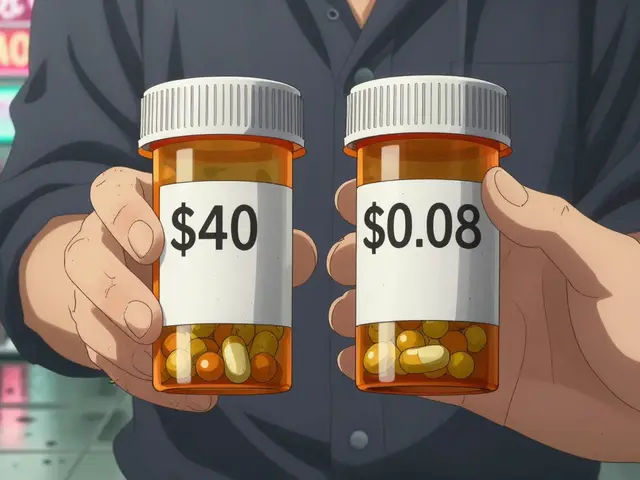
How Generic Combinations Save Money: Comparing Individual Generics vs. Combination Drugs
By Orion Kingsworth Mar 3, 2026

Buy Cheap Generic Crestor Online - 2025 Guide to Safe Savings
By Orion Kingsworth Oct 8, 2025
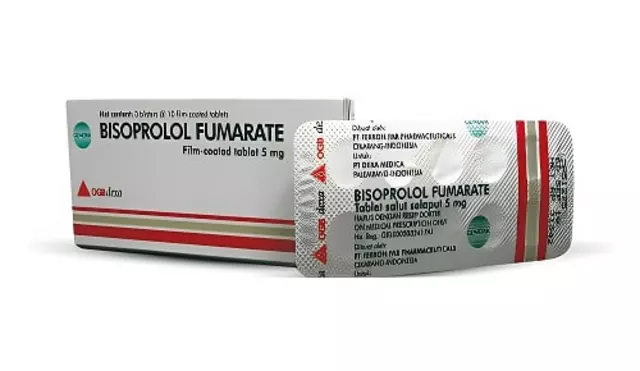
The Relationship Between Bisoprolol Fumarate and Anxiety
By Orion Kingsworth Apr 27, 2023