CDC Opioid Guidelines: What You Need to Know About Safe Prescribing and Risk Reduction
When it comes to managing chronic pain, the CDC opioid guidelines, a set of evidence-based recommendations from the U.S. Centers for Disease Control and Prevention to reduce opioid misuse and overdose deaths. These guidelines are not laws, but they shape how doctors prescribe pain meds across the country. Also known as the 2016 CDC Opioid Prescribing Guideline, they were created after years of rising overdose numbers tied to prescription opioids. The core idea is simple: opioids shouldn’t be the first or only option for long-term pain. Instead, doctors are urged to try physical therapy, NSAIDs, or other non-drug treatments before reaching for pills like oxycodone or hydrocodone.
The guidelines also push for lower doses—no more than 50 morphine milligram equivalents (MME) per day for most patients—and warn against mixing opioids with sedatives like benzodiazepines, which can stop your breathing. That’s why posts here talk about combining multiple sedatives, the dangerous practice of using opioids with sleep aids or anti-anxiety drugs that slow the central nervous system, and why it’s one of the leading causes of accidental death. Even more, the CDC warns that higher doses don’t mean better pain control—they just mean higher risk. And when patients do need opioids, the guidelines say to check state prescription drug databases, screen for addiction risk, and have clear exit plans to taper off safely.
But the guidelines aren’t perfect. Some doctors now avoid prescribing opioids altogether, even when they’re appropriate—like for cancer pain or after major surgery. Others say the rules were too broad, ignoring patient needs. Meanwhile, patients who rely on these meds for daily function often feel abandoned. That’s where opioid-induced itching, a common side effect caused by nerve pathways, not allergies, that antihistamines rarely fix and generic drug safety, including concerns over bioequivalence and therapeutic failures come into play. If your pain med was switched to a generic version and suddenly stopped working—or caused new side effects—you’re not imagining it. The CDC guidelines don’t cover that, but the posts below do.
What you’ll find here isn’t just theory. Real stories. Real data. Real questions about what happens when guidelines meet reality: when a patient can’t get their usual pain pill due to a shortage, when a new generic doesn’t work the same, when a doctor refuses to refill because of fear of regulation. These posts cut through the noise. They show you how to talk to your doctor, spot red flags, understand your options, and protect your health—whether you’re on opioids, managing pain without them, or just trying to make sense of a system that’s changed faster than anyone expected.

Health and Medicine
14
Comments
Naloxone Co-Prescribing: How It Prevents Opioid Overdoses in Patients on Pain Meds
Naloxone co-prescribing saves lives by giving opioid patients a safety net against overdose. Learn who needs it, how it works, and how to get it-even without a prescription.
About
Health and Medicine
Latest Posts
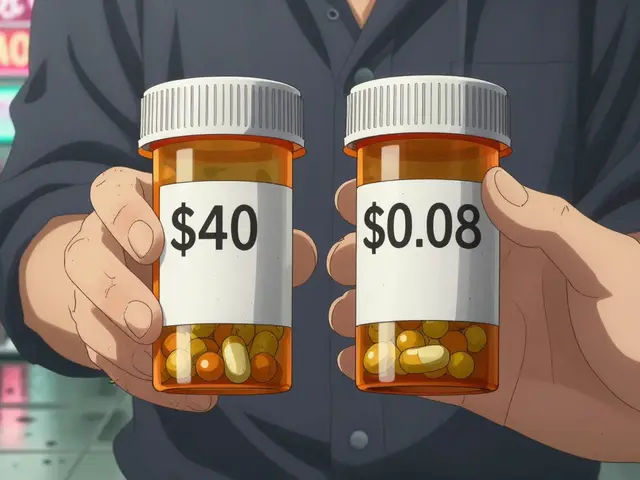
How Generic Combinations Save Money: Comparing Individual Generics vs. Combination Drugs
By Orion Kingsworth Mar 3, 2026

Acromegaly Self‑Care: Essential Tips for Better Management
By Orion Kingsworth Oct 23, 2025

Statins and Exercise: How to Prevent Muscle Injury While Staying Active
By Orion Kingsworth Dec 25, 2025