Drug Allergy Management: What to Do When Medications Trigger Reactions
When your body reacts badly to a medicine, it’s not just a side effect—it’s a drug allergy, an immune system response to a medication that can range from mild to deadly. Also known as medication hypersensitivity, it’s not the same as a predictable side effect like nausea or drowsiness. A true drug allergy means your immune system sees the drug as a threat and attacks it—sometimes with serious consequences. This isn’t rare. About 5% to 10% of people report a drug allergy, and penicillin is the most common trigger. But many people mistake side effects for allergies, which leads to unnecessary avoidance of safe, effective drugs.
Managing a drug allergy, an immune-mediated reaction to a medication that requires careful identification and avoidance starts with knowing the signs. A rash, itching, or swelling might seem minor—but if you also feel tightness in your chest, trouble breathing, or your throat starts closing, that’s anaphylaxis, a life-threatening allergic reaction that demands immediate emergency care. It can happen within minutes of taking the drug. Even if you’ve taken the same medicine before without issue, allergies can develop at any time. That’s why keeping a written list of all reactions—and sharing it with every doctor—is critical.
Not all bad reactions are allergies. Some people get a headache or upset stomach from a drug, but their immune system isn’t involved. That’s drug intolerance, a non-immune adverse reaction that’s uncomfortable but not dangerous like a true allergy. Distinguishing between the two matters because intolerance might be managed with a lower dose or different timing, while a true allergy means you must avoid the drug entirely—and often similar ones too. For example, if you’re allergic to penicillin, you may also need to avoid amoxicillin and other beta-lactams.
What do you do if you suspect a drug allergy? Stop the medication and call your doctor. Don’t wait to see if it gets worse. If you’ve had a severe reaction before, carry an epinephrine auto-injector and wear a medical alert bracelet. Your doctor might refer you to an allergist for testing—skin tests or graded challenges can confirm if a drug is truly the culprit. And if you need that drug again? In some cases, desensitization under medical supervision can help you tolerate it safely, even with a confirmed allergy.
Below, you’ll find real-world guides on how to handle drug reactions, spot dangerous interactions, and make smarter choices when alternatives are needed. From managing anaphylaxis risks to understanding why some generic drugs trigger reactions differently, these posts give you the tools to stay safe without guessing.
Health and Medicine
14
Comments
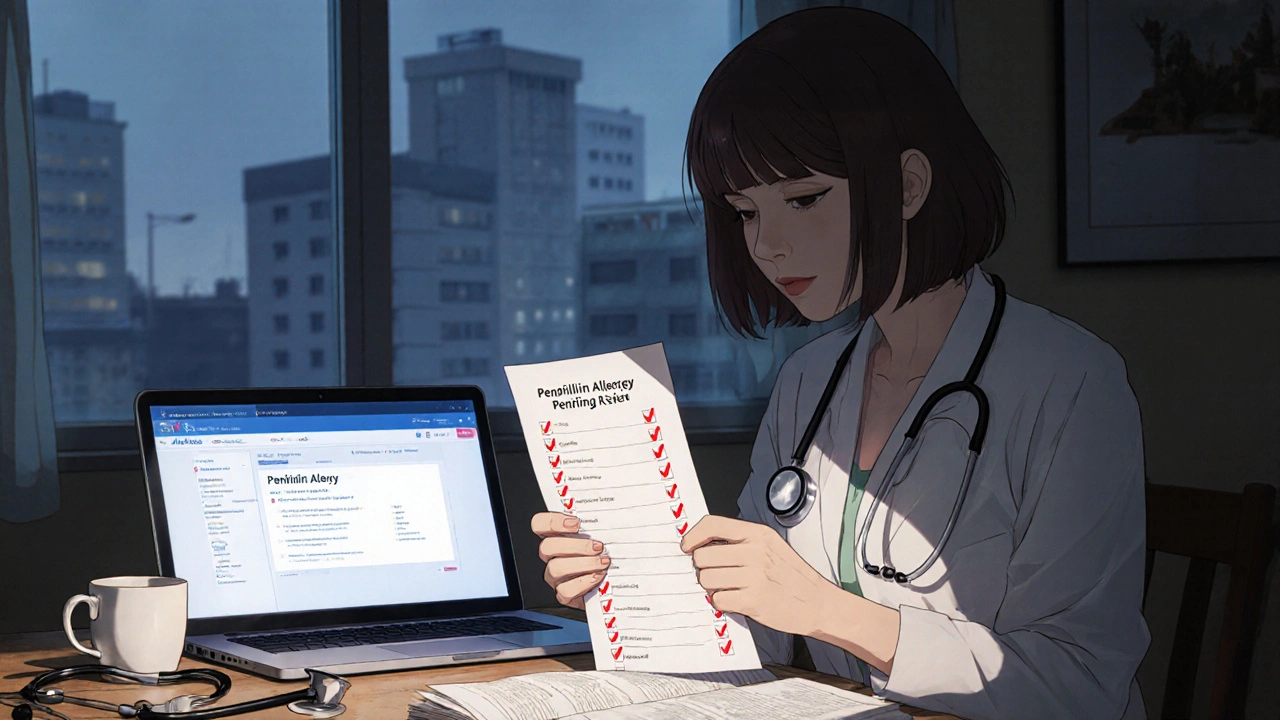
How to Update Your Allergy List Across All Healthcare Providers
Learn how to update your allergy list across all healthcare providers to prevent dangerous drug reactions. Get step-by-step tips for verifying, testing, and correcting your records-no matter which system your doctor uses.
About
Health and Medicine
Latest Posts

Drug Interactions: Same Risk for Generic and Brand Medications
By Orion Kingsworth Nov 27, 2025

How Ibandronate Sodium Can Help Improve Quality of Life for Osteoporosis Patients
By Orion Kingsworth Apr 30, 2023
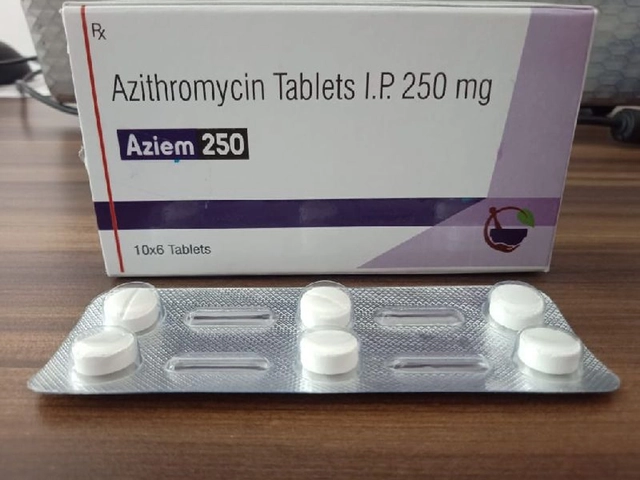
How azithromycin can help treat melioidosis
By Orion Kingsworth Jul 1, 2023