Drug Safety: What You Need to Know About Medication Risks and Real-World Protection
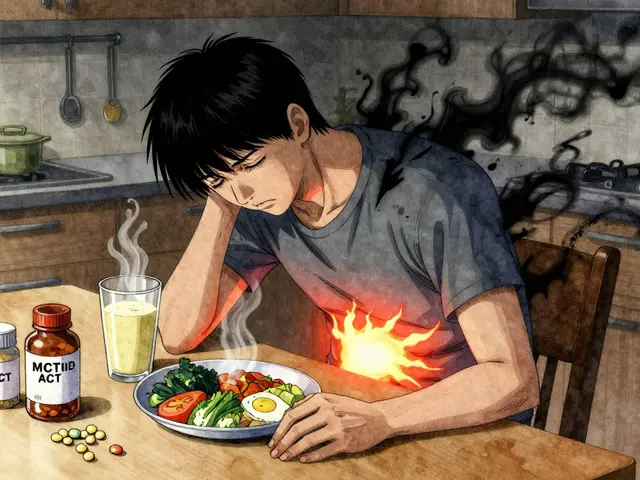
When you take a pill, you trust it will help—not hurt. But drug safety, the system that tracks how medications affect people in real life, not just in labs. Also known as medication safety, it’s what keeps you from ending up in the ER because of a side effect no one warned you about. It’s not just the FDA or your doctor’s job—it’s yours too. Every year, hundreds of thousands of people are hospitalized because of avoidable drug reactions. Some come from mixing pills you didn’t know clashed. Others come from generics that work differently than you expected. And some? They show up months later, like bone marrow failure from a drug you took for acne or a rare infection from an antibiotic you thought was harmless.
FDA safety alerts, official warnings about dangerous drugs or unexpected side effects. Also known as MedWatch alerts, they’re your first line of defense—but they’re often delayed, especially for generics. Brand-name drugs get flagged fast. Generics? Sometimes not until people are already hurt. That’s why you need to know how to read between the lines: a change in how your body feels, a new rash, unexplained fatigue, or sudden bruising could mean more than just a bad day. And if you’re on a generic version of a drug that’s been pulled for safety issues? You might not know unless you dig. That’s where generic drug safety, the real-world performance of copycat medications under everyday use. Also known as therapeutic equivalence, it’s not always guaranteed, even if the FDA says it is. Some generics fail because of bad manufacturing, like pills made with dirty ingredients from overseas labs. Others fail because your body reacts differently to the fillers or coatings—even if the active ingredient is the same.
Then there’s drug interactions, when two or more medications, supplements, or even foods change how each other works in your body. Also known as medication clashes, they’re the silent killers behind serotonin syndrome from St. John’s Wort and SSRIs, or itching from opioids that antihistamines can’t fix. You think herbal remedies are safe? Think again. You think your allergy pill won’t interfere with your blood pressure med? It might. And if you’re on a statin and suddenly feel like you’ve been hit by a truck? Your genes might be the reason. Pharmacogenomics isn’t sci-fi—it’s real, and it’s why some people can’t tolerate certain drugs no matter how carefully they’re dosed.
Drug safety isn’t about fear. It’s about awareness. It’s knowing that your pharmacy’s back-order system can cause errors if not managed right. It’s understanding why a C. diff infection can come from a simple course of antibiotics. It’s realizing that your allergy list might be outdated in your doctor’s system—and that could cost you your life. This collection isn’t just a list of articles. It’s a toolkit. You’ll find step-by-step guides on updating your allergy records, spotting early signs of deadly reactions, choosing safer alternatives, and even how to check if your meds were made in a clean facility. No fluff. No theory. Just what you need to protect yourself, your family, and your health.
Health and Medicine
1
Comments
How to Search FAERS Side Effect Reports: A Practical Guide
Learn how to navigate the FDA's FAERS database to find side effect reports. Practical tips on using the Public Dashboard, interpreting MedDRA terms, and avoiding common data pitfalls.
Medications
8
Comments
Inactive Ingredient Differences: Can Excipients Affect Safety or Efficacy?
Inactive ingredients in medications-called excipients-aren't always harmless. New research shows some can affect drug safety and effectiveness. Learn which ones matter and what to watch for.
Health and Medicine
13
Comments
Drug Recalls and Safety Alerts: How to Stay Informed About FDA Warnings
Learn how to track FDA drug recalls and safety alerts in real time using MedWatch, official databases, and mobile tools. Know what to do when a medication you take is flagged - before it's too late.
Medications
9
Comments
Nitrosamine Contamination in Generic Drugs: Recent Recalls and Regulatory Shifts
Nitrosamine contamination in generic drugs has led to over 500 FDA recalls since 2018. Learn which medications were affected, why it happened, how regulators responded, and what it means for your health.
About
Health and Medicine, Medications
Latest Posts

Statins and Exercise: How to Prevent Muscle Injury While Staying Active
By Orion Kingsworth Dec 25, 2025
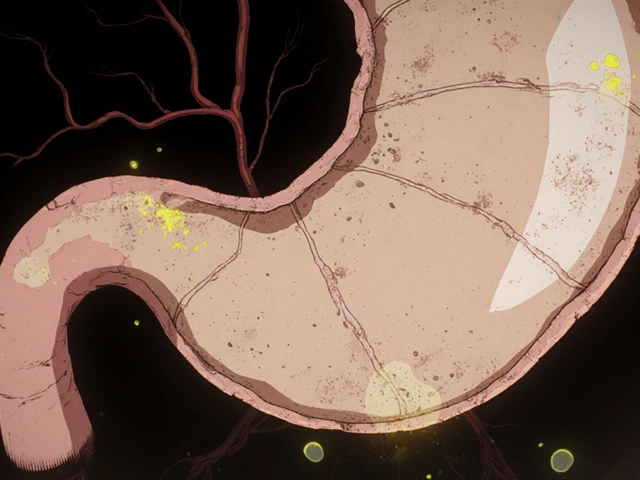
Atrophic Gastroenteritis and Vitamin B12 Deficiency: Essential Facts and How to Manage Them
By Orion Kingsworth Oct 22, 2025

Art Therapy’s Impact on Treating Bulimia Nervosa
By Orion Kingsworth Sep 29, 2025