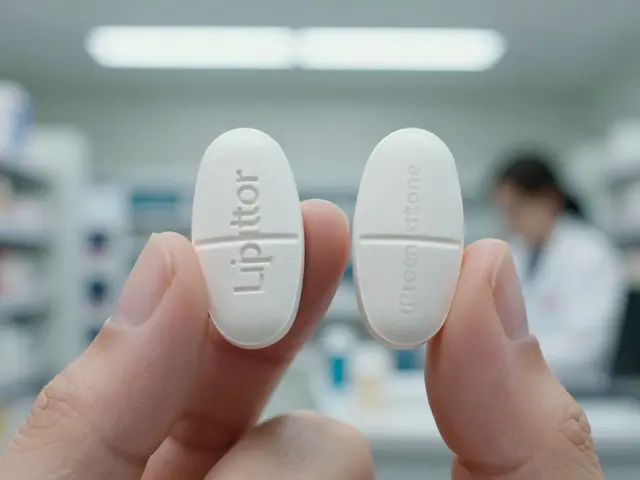
Generic Drug Deficiencies: What You Need to Know About Missing Efficacy and Safety Gaps
When you pick up a generic drug, a lower-cost version of a brand-name medication that must meet FDA standards for active ingredients, strength, and dosage form. Also known as generic medication, it's supposed to work just like the original—same active ingredient, same effect, same safety profile. But what happens when it doesn’t? That’s where generic drug deficiencies come in. Not all generics are created equal, and sometimes, the differences in inactive ingredients, manufacturing quality, or bioavailability can lead to real problems—especially for people on narrow therapeutic index drugs like warfarin, levothyroxine, or seizure meds.
One major issue is bioequivalence, the measure of how quickly and completely a generic drug releases its active ingredient into the bloodstream compared to the brand. The FDA allows generics to vary by up to 20% in absorption rates. For most people, that’s fine. But for someone with epilepsy or heart failure, even a 5% drop in drug levels can trigger a seizure or worsen symptoms. Then there’s therapeutic failure, when a generic drug simply doesn’t control the condition it’s meant to treat. Patients report sudden spikes in blood pressure, unexplained pain, or mood swings after switching—often dismissed as "psychosomatic" until labs prove otherwise.
Manufacturing quality is another hidden risk. Contaminants like nitrosamines, carcinogenic impurities found in some blood pressure and diabetes generics. have triggered over 500 FDA recalls since 2018. And when production shifts from one factory to another—common with generics—the formulation can subtly change, even if the label stays the same. This isn’t about fraud. It’s about supply chains, cost pressures, and outdated oversight rules that treat all generics as identical, even when they’re not.
These aren’t theoretical concerns. People are getting sicker because their meds stopped working. Others are experiencing new side effects after switching to a cheaper version. And many don’t even know to connect the dots between their symptoms and the pill bottle. The truth is, generic drug deficiencies are real, underreported, and often ignored by systems designed to save money—not protect patients.
What you’ll find below are real stories, hard data, and practical advice from people who’ve been through this. We cover why some generics fail, how to spot trouble early, what to ask your pharmacist, and when to push back and demand the brand. These aren’t opinions. They’re lessons learned from patients, pharmacists, and doctors who’ve seen the gaps in the system—and fought to close them.
Medications
8
Comments
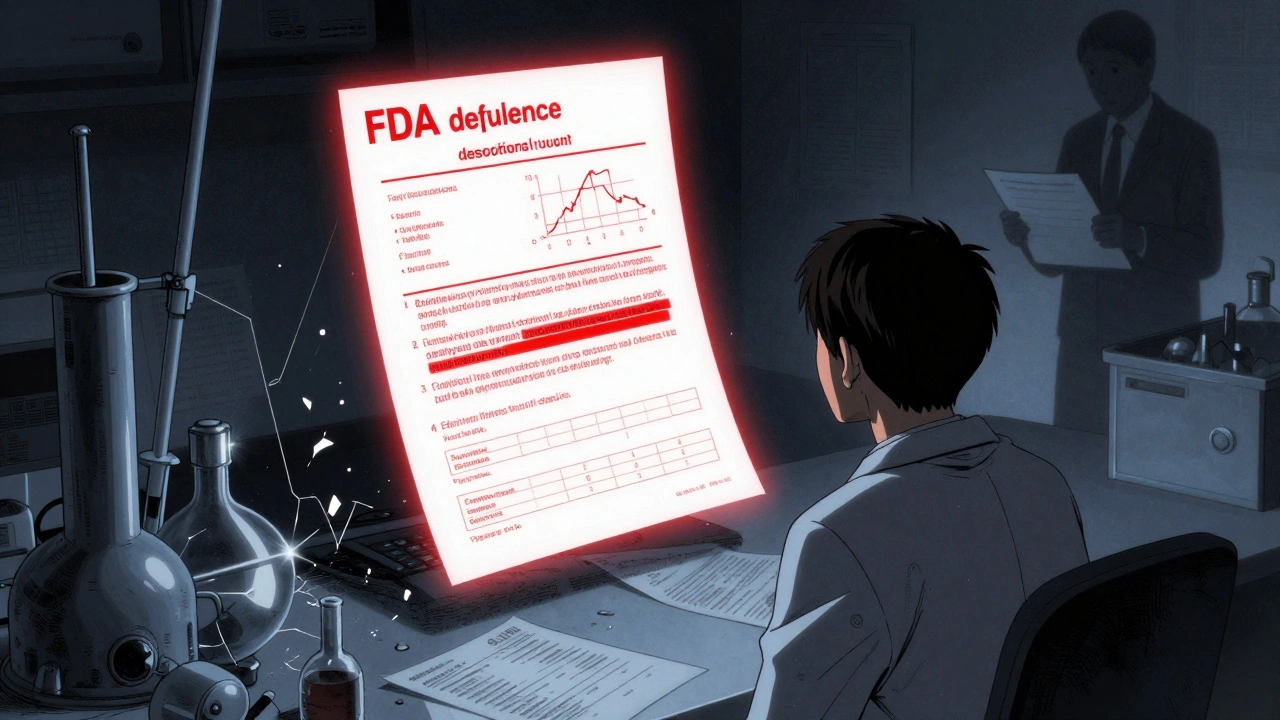
Deficiency Letters in Generic Drug Applications: Common FDA Findings and How to Avoid Them
Deficiency letters from the FDA are the main reason generic drug applications get rejected. Learn the top 5 reasons they’re issued, how to avoid them, and what’s changing at the FDA to speed up approvals.
About
Medications
Latest Posts

Seasonal Affective Disorder: How Light Therapy Helps with Winter Depression
By Orion Kingsworth Feb 2, 2026

Top Nolvadex Alternatives in 2025: Your Guide
By Orion Kingsworth Mar 19, 2025
The Top 10 Health Benefits of Sulfur: Your New Favorite Dietary Supplement
By Orion Kingsworth Jun 27, 2023