Generic Drug Submission: What You Need to Know About Approval, Safety, and Alternatives
When you hear generic drug submission, the process drug manufacturers use to get FDA approval for a copy of a brand-name medication. Also known as ANDA (Abbreviated New Drug Application), it’s how most prescriptions in the U.S. end up being cheaper—without sacrificing active ingredients. But not all submissions are equal. Some get approved quickly. Others get flagged for contamination, inconsistent potency, or poor manufacturing. The system works for millions, but gaps exist—and they matter.
Behind every generic drug, a chemically identical version of a brand-name medicine approved by the FDA. Also known as bioequivalent drug, it must prove it delivers the same amount of active ingredient into your bloodstream at the same rate as the original. That’s the core of bioequivalence, the scientific standard that ensures generics perform like their brand-name counterparts. But bioequivalence doesn’t mean identical in every way. Fillers, coatings, and manufacturing conditions can vary—and those differences sometimes cause real problems. One person might switch from brand to generic and feel fine. Another might get new side effects, worse control of their condition, or even a dangerous reaction. That’s not because generics are inherently unsafe. It’s because the system relies on averages, not individual responses.
The FDA approval, the official process that verifies a generic drug meets safety, strength, and quality standards before hitting shelves isn’t perfect. Since 2018, over 500 recalls have been linked to nitrosamine contamination, a group of cancer-causing impurities found in some generic blood pressure and acid reflux drugs. Other issues? Fake data from overseas labs, unclean facilities, and inconsistent batch testing. China produces 80% of the world’s drug ingredients, and while many factories are clean, FDA inspections keep finding serious violations. These aren’t rare accidents. They’re systemic risks built into how generics are made and checked.
So what does this mean for you? If your doctor prescribes a generic, it’s usually the smart, safe choice. But if you notice a change in how you feel after switching—new nausea, dizziness, or your condition suddenly worsens—don’t ignore it. Talk to your pharmacist. Ask if the manufacturer changed. Keep the bottle. That little name on the label matters more than you think. Some people do better sticking with one brand of generic, even if it costs more. And sometimes, an authorized generic, a version made by the original brand company but sold without the brand name is the best middle ground: same formula, no markup, same reliability.
You’ll find posts here that dig into exactly these issues: why some generics fail, how insurance pushes them, what the FDA really knows, and how to spot when something’s off. Whether you’re managing a chronic condition, juggling prescriptions, or just trying to save money without risking your health, this collection gives you the facts—not the marketing.
Medications
8
Comments
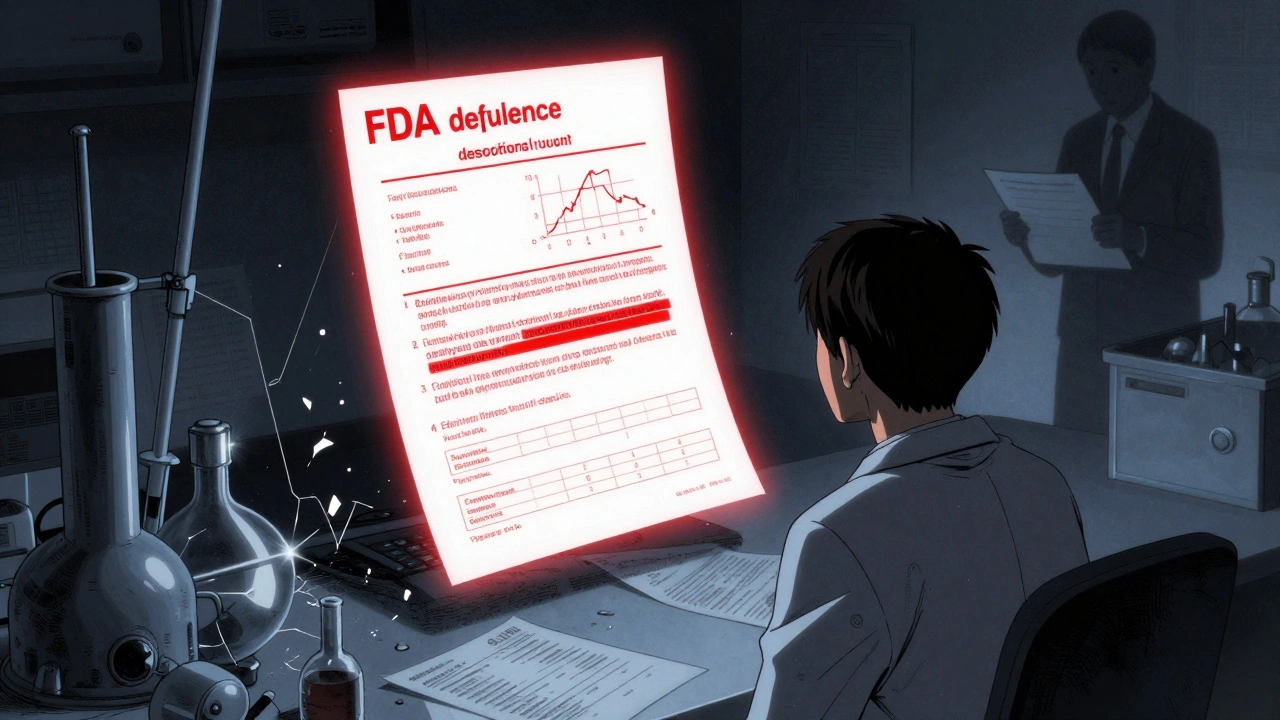
Deficiency Letters in Generic Drug Applications: Common FDA Findings and How to Avoid Them
Deficiency letters from the FDA are the main reason generic drug applications get rejected. Learn the top 5 reasons they’re issued, how to avoid them, and what’s changing at the FDA to speed up approvals.
About
Medications
Latest Posts
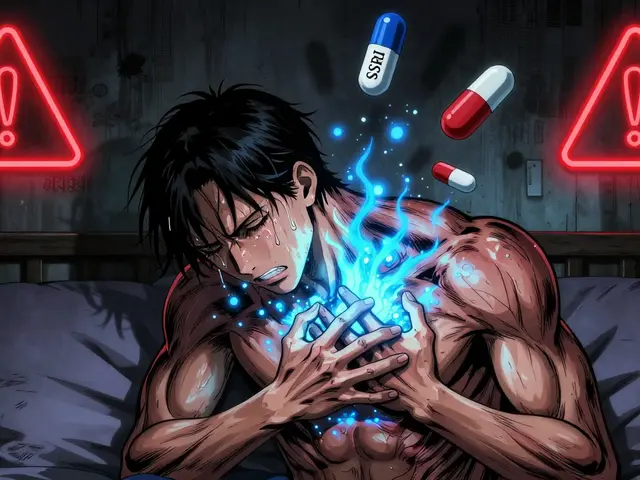
SSRIs and Opioids: How to Spot and Prevent Serotonin Syndrome
By Orion Kingsworth Jan 29, 2026

The Pros and Cons of Using Sucralfate for Stomach Ulcers
By Orion Kingsworth Jul 31, 2023
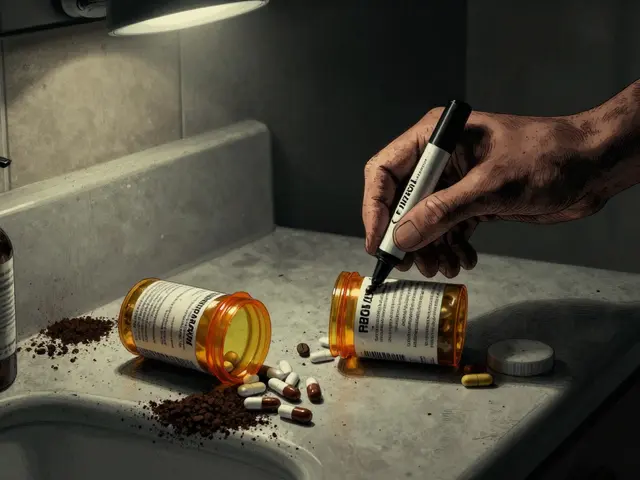
How to Safely Dispose of Expired Medications: FDA Take-Back Guidelines and Best Practices
By Orion Kingsworth Dec 24, 2025