Herb-Drug Interactions: What You Need to Know Before Mixing Supplements and Medications
When you take herb-drug interactions, the unintended effects that happen when herbal supplements mix with prescription or over-the-counter medications. Also known as natural product-drug interactions, they’re not just theoretical—they’ve sent people to the ER for things like irregular heartbeats, dangerously low blood pressure, or even serotonin syndrome. Many assume that because something is "natural," it’s automatically safe. But that’s not true. St. John’s Wort, for example, is sold as a mood booster, but it can make your antidepressant useless—or worse, trigger a life-threatening reaction.
Take St. John’s Wort, a popular herbal remedy for mild depression. Also known as Hypericum perforatum, it’s sold in capsules, teas, and tinctures. It doesn’t just affect your mood—it changes how your liver processes drugs. It can speed up the breakdown of birth control pills, blood thinners, HIV meds, and even some cancer treatments. And when it teams up with SSRIs, a class of antidepressants that increase serotonin levels in the brain. Also known as selective serotonin reuptake inhibitors, they include medications like Prozac, Zoloft, and Lexapro., the result can be serotonin syndrome, a dangerous condition caused by too much serotonin in the nervous system. Also known as serotonin toxicity, it leads to confusion, rapid heart rate, muscle rigidity, and seizures. This isn’t rare. It’s been documented in multiple case reports. And most people don’t even tell their doctor they’re taking St. John’s Wort because they think it’s harmless.
It’s not just St. John’s Wort. Garlic, ginkgo, echinacea, and even green tea can interfere with blood thinners, anesthesia, or blood pressure meds. Some herbs boost the effect of sedatives, making you drowsy to the point of danger. Others block how your body absorbs critical drugs. And here’s the kicker: your pharmacist might not know you’re taking them. Most supplement labels don’t list active ingredients clearly. Insurance doesn’t cover them. So they fly under the radar. But your body doesn’t care if it’s a pill or a tea—it reacts to the chemicals inside.
If you’re on any prescription medication, especially for heart disease, depression, diabetes, or seizures, you need to treat herbal supplements like real drugs. Not because they’re bad—but because they’re powerful. Ask your doctor or pharmacist: "Is this safe with what I’m already taking?" Write down every supplement you use, including doses and how often. Bring that list to every appointment. Don’t wait for symptoms. Don’t assume it’s fine. A single interaction can change everything.
The posts below cover real cases where herbal supplements clashed with medications—some with serious consequences. You’ll find deep dives into St. John’s Wort and SSRIs, how common painkillers affect asthma, why mixing sedatives is risky, and what you can do to protect yourself. No fluff. No guesses. Just facts from real patients and real science.
Health and Wellness
11
Comments
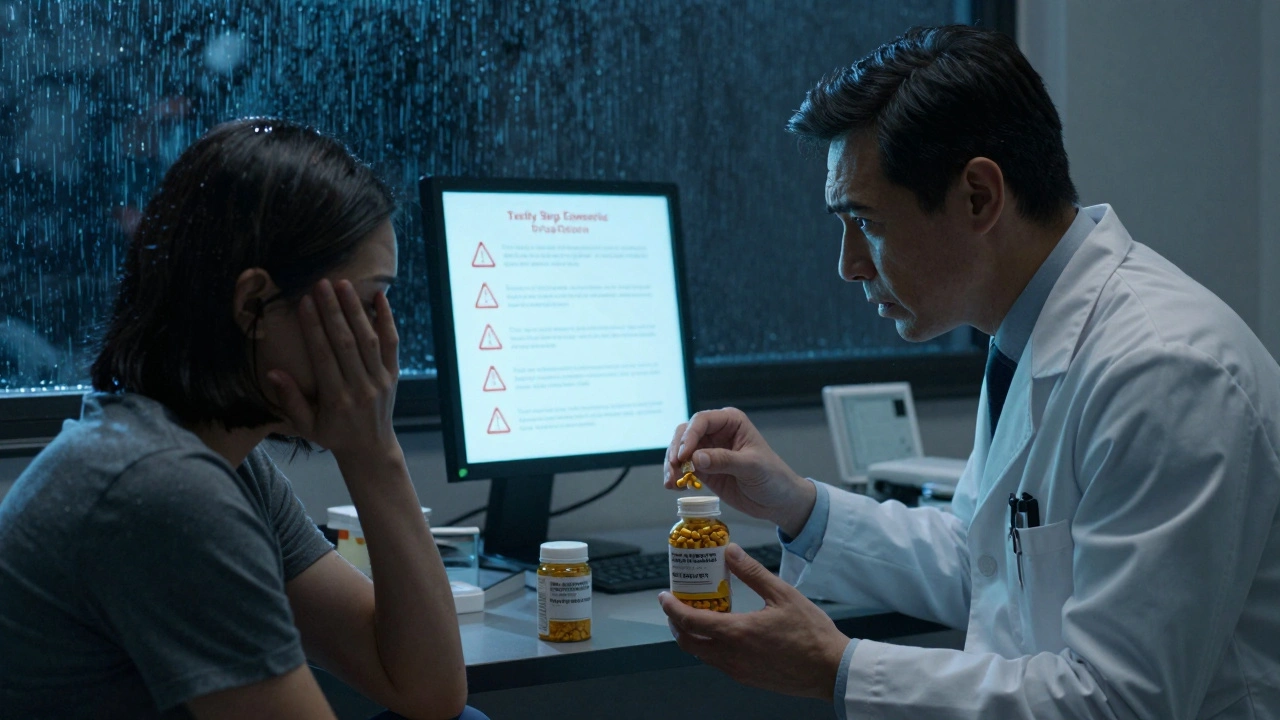
Why You Must Tell Your Doctor About Every Supplement and Herbal Remedy You Take
Many people take supplements without telling their doctor - but this can be dangerous. Learn why disclosing herbal remedies and vitamins is critical to avoid harmful interactions with medications and ensure safe, effective care.
About
Health and Wellness
Latest Posts


The Environmental Impact of Eflornithine Production
By Orion Kingsworth Oct 30, 2025
Calcium, Iron, and Mineral Interactions with Medications: What You Need to Know
By Orion Kingsworth Dec 15, 2025

Udenafil in Bodybuilding: Myths, Facts, and Benefits
By Orion Kingsworth Sep 8, 2024