Hip Osteoarthritis: Causes, Treatments, and What Really Works
When your hip osteoarthritis, a degenerative joint disease that breaks down cartilage in the hip joint, leading to pain, stiffness, and reduced mobility. Also known as degenerative hip disease, it affects over 30 million adults in the U.S. alone—and most of them aren’t getting the right care. It’s not just aging. It’s wear and tear, past injuries, genetics, or even excess weight pushing your joint past its limit. The pain doesn’t always show up on X-rays right away, but when it does, it’s often too late to reverse the damage.
Many people turn to arthritis medication, over-the-counter or prescription drugs used to reduce inflammation and pain in joint conditions like osteoarthritis like NSAIDs, but those only mask symptoms. They don’t fix the problem—and long-term use can wreck your stomach or kidneys. Others hear about hip replacement, a surgical procedure to replace a damaged hip joint with an artificial one, typically for severe osteoarthritis as the only solution. But surgery isn’t always needed, and not everyone is a candidate. The real key? Managing the condition before it gets to that point.
What actually helps? Movement. Strength training. Weight control. Physical therapy that targets your glutes and core—not just stretching. Some people find relief with glucosamine, but the science is mixed. Injections like corticosteroids or hyaluronic acid can give temporary relief, but they’re not cures. And if you’re on long-term pain meds, you need to know about drug interactions and hidden risks, like how some arthritis pills can affect your liver or interact with blood pressure meds.
This collection of posts doesn’t just list treatments. It shows you what’s behind the pain, why some meds fail, how to spot early warning signs before your hip gives out, and what real people have tried—successfully or not. You’ll find insights on drug safety, alternatives to surgery, and how to talk to your doctor about options that actually match your lifestyle. No fluff. No hype. Just what works, what doesn’t, and how to protect your mobility before it’s too late.
Health and Wellness
11
Comments
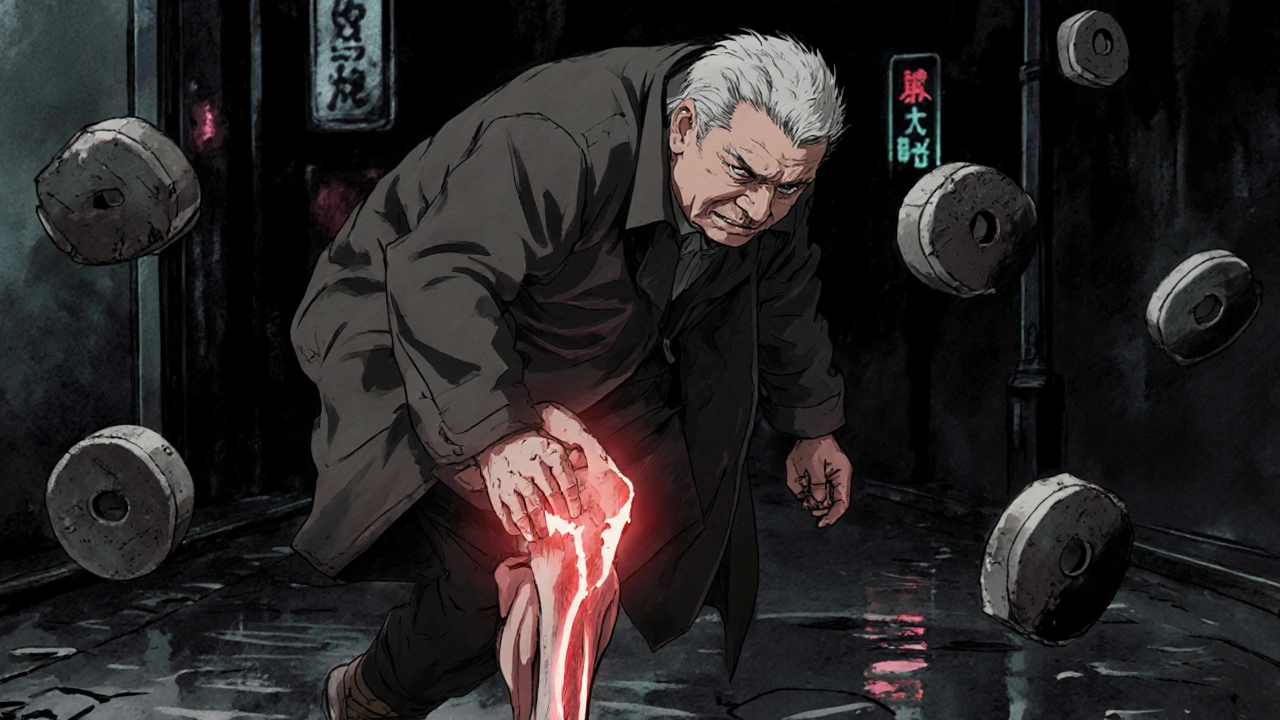
Osteoarthritis of the Hip: How Weight Loss Can Preserve Your Joint and Reduce Pain
Losing weight can significantly reduce hip pain and slow osteoarthritis progression. Learn how much weight to lose, what diet and exercise work best, and why hip OA responds differently than knee OA.
About
Health and Wellness
Latest Posts

MedlinePlus Drug Information: Consumer-Friendly Safety Summaries
By Orion Kingsworth Mar 25, 2026

Caffeine Cutoff Times: When to Stop Coffee for Better Sleep
By Orion Kingsworth Dec 17, 2025

Buy Cheap Generic Synthroid Online - Safe, Fast & Affordable
By Orion Kingsworth Oct 13, 2025