Hypoparathyroidism: Causes, Symptoms, and Medication Management
When your body doesn’t produce enough parathyroid hormone, a hormone that regulates calcium and phosphate in the blood. Also known as low PTH, it can leave you feeling weak, numb, or even having muscle spasms. This isn’t just a lab number—it’s something that affects how your nerves, muscles, and bones work every single day.
Hypoparathyroidism often shows up after neck surgery, especially thyroid removal, but it can also come from autoimmune disease, genetic conditions, or severe magnesium deficiency, a mineral that tells your parathyroid glands to release hormone. Without enough magnesium, your body can’t make or use parathyroid hormone properly—even if the glands are fine. Low vitamin D deficiency, a key player in calcium absorption makes it worse. You might not realize you’re deficient until your calcium drops too low and you start getting tingling in your fingers, cramps in your legs, or even seizures.
Managing this isn’t about one pill. It’s a balancing act between calcium supplements, active vitamin D (like calcitriol), and sometimes magnesium. Some people need to take these multiple times a day, every day, for life. And even then, levels can swing—too high and you risk kidney stones, too low and you risk muscle spasms or heart rhythm problems. That’s why regular blood tests aren’t optional—they’re your safety net.
You’ll also find that many of the posts here deal with how medications interact, why generics sometimes cause unexpected side effects, and how insurance policies affect what you can afford. That’s because people with hypoparathyroidism often rely on long-term meds, and small changes in formulation or cost can throw their whole system off. Whether it’s switching brands, dealing with shortages, or figuring out which supplements are safe to take with your calcium pills, these are real daily challenges.
What you’ll find below aren’t just articles—they’re practical guides from people who’ve been there. From how to spot early warning signs of low calcium, to why your doctor might recommend a specific form of vitamin D over another, to how to handle drug interactions when you’re on multiple supplements—this collection gives you the no-fluff, real-world answers you need to stay in control.
Health and Medicine
11
Comments
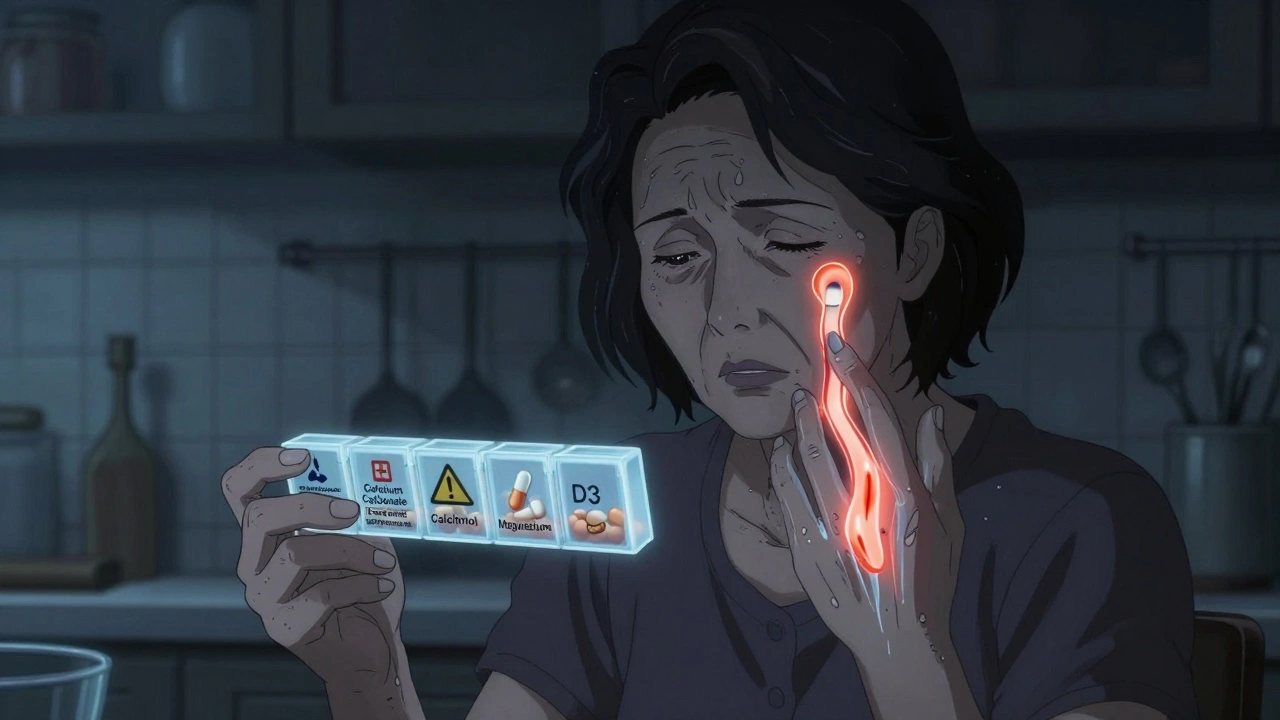
Hypoparathyroidism: How to Manage Low Calcium and Vitamin D Effectively
Learn how to manage low calcium and vitamin D in hypoparathyroidism with proven dosing, diet tips, and monitoring strategies to avoid kidney damage and stabilize symptoms long-term.
About
Health and Medicine
Latest Posts

Medicaid and Generics: How Low-Income Patients Save Hundreds on Prescription Drugs
By Orion Kingsworth Feb 18, 2026

How and Where to Buy Metformin Online Safely (2025 Guide)
By Orion Kingsworth Aug 23, 2025

Seasonal Affective Disorder: How Light Therapy Helps with Winter Depression
By Orion Kingsworth Feb 2, 2026
