Lifestyle Changes for GERD
When you have gastroesophageal reflux disease, a chronic condition where stomach acid flows back into the esophagus, causing burning and discomfort. It’s not just about taking antacids—it’s about changing how you live. Many people think GERD is something you just live with, but the truth is, small daily choices can cut symptoms by half—or more. You don’t need surgery or expensive meds to feel better. Start with what you do every day: what you eat, when you eat, and how you move after meals.
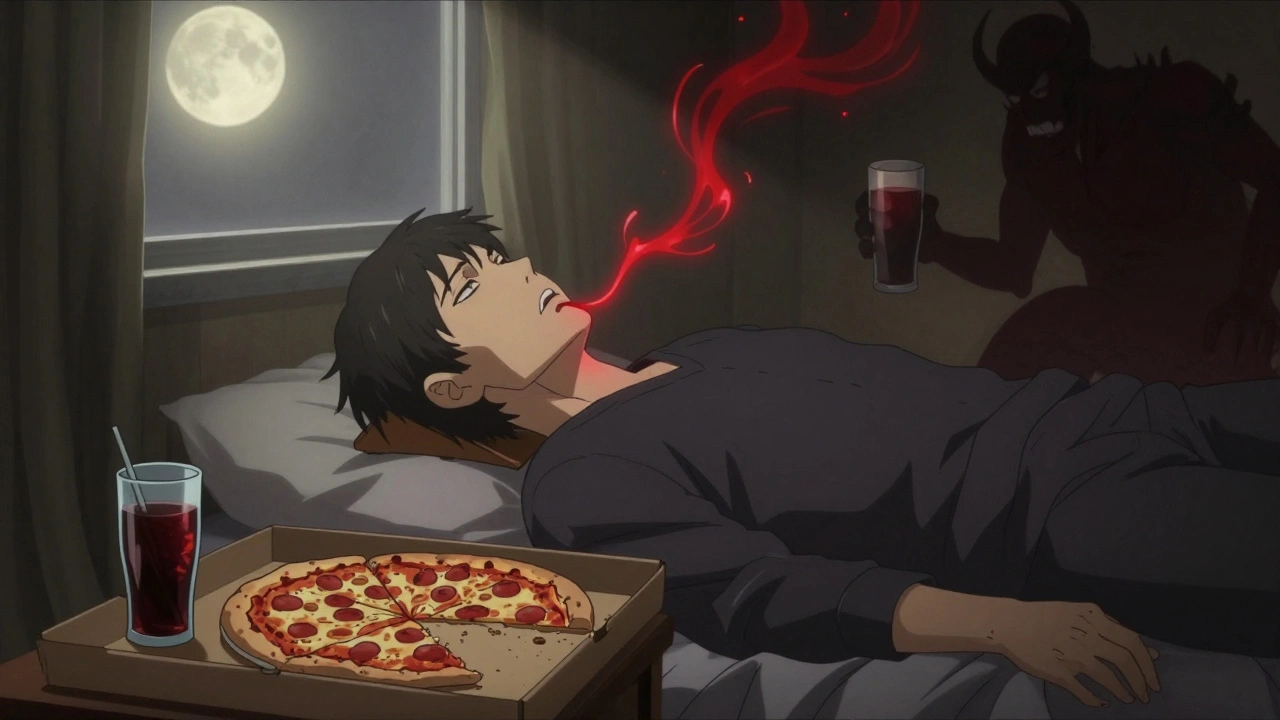
One of the biggest triggers is eating too close to bedtime. Lying down with a full stomach makes it easy for acid to creep up. Try stopping food intake at least three hours before you sleep. That’s it. No fancy diet, no supplements. Just time. Weight is another major factor. Even losing 5-10 pounds can reduce pressure on your stomach and ease reflux. You don’t have to drop 50 pounds—just enough to feel looser in your waistband. And skip tight clothes. A belt that digs in or leggings that squeeze your belly? They’re not helping.
What you eat matters more than you think
Not all spicy foods trigger GERD the same way for everyone, but some culprits show up again and again: chocolate, caffeine, citrus, fried food, and alcohol. These relax the valve between your stomach and esophagus, letting acid escape. You don’t have to cut them out forever. Try cutting them for two weeks. See how you feel. Then slowly add them back—one at a time—to find your personal triggers. Carbonated drinks? They puff up your stomach and push acid upward. Swap soda for water or herbal tea. And don’t forget: large meals are a problem. Eat smaller portions, more often. Your stomach won’t get so full, and it won’t push back as hard.Smoking isn’t just bad for your lungs—it weakens the muscle that keeps acid where it belongs. Quitting isn’t easy, but even cutting back helps. And posture? Slouching after dinner? That’s like bending a soda bottle—you’re squeezing acid right up. Sit upright for at least an hour after eating. If you work at a desk, stand up and walk around. Even five minutes helps.
Some people think elevating the head of the bed will fix everything. It helps—but only if you do it right. Don’t just stack pillows under your head. That bends your neck and can make reflux worse. Instead, raise the whole bed frame by 6 to 8 inches using blocks or a wedge under the legs. Gravity does the work while you sleep.
These aren’t quick fixes. They’re habits. And habits take time. But the payoff? Fewer nights waking up with burning, less reliance on meds, and more energy during the day. You’ll notice it in how you feel after meals, how you sleep, even how you move. This isn’t about being perfect. It’s about making smarter choices, one day at a time.
Below, you’ll find real stories and science-backed tips from people who’ve been where you are—cutting back on meds, adjusting meals, finding what actually works. No fluff. No marketing. Just what helps.
Health and Medicine
15
Comments
GERD Management: Diet, Lifestyle, and Acid Reflux Medications
Learn how to manage GERD with diet, lifestyle changes, and the latest medications - from antacids to vonoprazan. Discover what works, what doesn’t, and when surgery might be the answer.
About
Health and Medicine
Latest Posts


Mirtazapine and Weight Gain: What You Need to Know About This Common Side Effect
By Orion Kingsworth Dec 18, 2025
NSAID Sensitivity and Asthma: What Patients Should Watch
By Orion Kingsworth Nov 28, 2025

How Generic Combinations Save Money: Comparing Individual Generics vs. Combination Drugs
By Orion Kingsworth Mar 3, 2026