NSAID Asthma Reaction: What You Need to Know About Triggered Breathing Problems
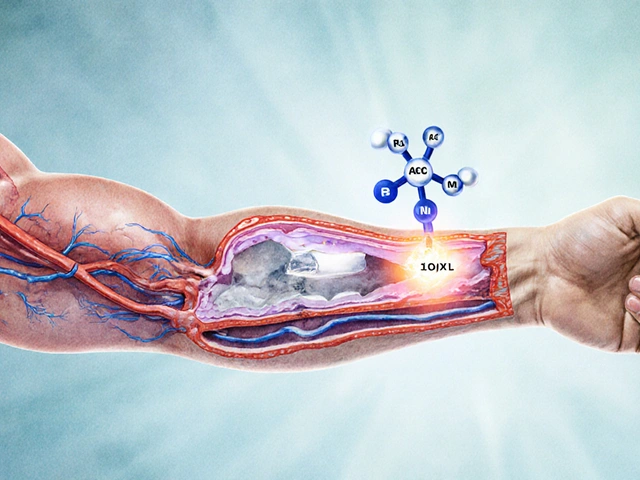
When you take a common painkiller like ibuprofen or aspirin, your body should respond with relief—not a tightening chest or wheezing. But for some people, these drugs trigger a serious NSAID asthma reaction, a sudden worsening of asthma symptoms caused by nonsteroidal anti-inflammatory drugs like aspirin, ibuprofen, or naproxen. Also known as aspirin-exacerbated respiratory disease, it’s not an allergy in the usual sense, but a chemical imbalance that causes airways to swell and narrow. This isn’t rare. Up to 10% of adults with asthma have this reaction, and it’s even more common in people with nasal polyps or chronic sinus issues.
What makes this dangerous is that it doesn’t show up on standard allergy tests. You won’t get a positive skin prick or blood result. Instead, the reaction comes from how your body processes painkillers. NSAIDs block an enzyme called COX-1, which pushes your body to make more leukotrienes—chemicals that inflame your airways. For people sensitive to this shift, breathing becomes harder within minutes to hours after taking the drug. You might feel like you’re suffocating, your nose might run, or your voice could turn hoarse. This isn’t just uncomfortable—it can land you in the ER.
People who’ve had this reaction before need to avoid all NSAIDs, not just aspirin. That includes over-the-counter meds like Advil, Aleve, and even some cold and flu tablets. Acetaminophen (Tylenol) is usually safe, but not always. Some people react to it too, so check with your doctor before switching. If you’ve ever had an asthma flare after taking a painkiller, your medical record should clearly say "NSAID asthma reaction"—not just "allergy to ibuprofen." That distinction matters because it changes how your care team treats you for everything from headaches to arthritis.
There’s also a treatment called aspirin desensitization, where you’re slowly exposed to aspirin under medical supervision. For some with severe nasal polyps and asthma, this can reduce flare-ups long-term. But it’s not for everyone—it requires a specialist and careful monitoring. If you’re struggling with asthma that won’t improve despite meds, and you take NSAIDs regularly, this could be the missing piece.
The posts below cover real cases, safety tips, and alternatives to NSAIDs that won’t trigger your asthma. You’ll find advice on how to update your allergy list with your doctor, what to do if you accidentally take one, and how to spot early signs before it turns critical. This isn’t theoretical—it’s about keeping your airways open when you need pain relief the most.
Health and Medicine
9
Comments
NSAID Sensitivity and Asthma: What Patients Should Watch
About 7% of asthma patients react dangerously to common painkillers like aspirin and ibuprofen. Learn the signs of NSAID-sensitive asthma, who’s at risk, what medications are safe, and how to avoid life-threatening reactions.
About
Health and Medicine
Latest Posts


Acotiamide and Pregnancy: What You Need to Know
By Orion Kingsworth May 19, 2023

The Connection Between Muscle Stiffness and Chronic Pain Conditions
By Orion Kingsworth Jun 18, 2023

Buy Cheap Generic Celebrex Online - Safe, Affordable Celecoxib in Australia
By Orion Kingsworth Oct 6, 2025