Drug Interactions: What You Need to Know Before Mixing Medications
When you take more than one medication—or a pill and a supplement—you’re playing with drug interactions, the unintended and sometimes dangerous effects that happen when two or more substances affect each other in your body. Also known as medication interactions, these aren’t just theoretical risks—they’re behind hospital visits, unexpected side effects, and even deaths. A simple combo like ibuprofen and blood pressure meds can spike your kidney stress. A daily vitamin with St. John’s wort can cancel out your antidepressant. These aren’t edge cases. They’re everyday mistakes.
One of the most dangerous types of drug interactions, the unintended and sometimes dangerous effects that happen when two or more substances affect each other in your body. Also known as medication interactions, these aren’t just theoretical risks—they’re behind hospital visits, unexpected side effects, and even deaths. A simple combo like ibuprofen and blood pressure meds can spike your kidney stress. A daily vitamin with St. John’s wort can cancel out your antidepressant. These aren’t edge cases. They’re everyday mistakes.
One of the most dangerous types of CNS depression, a life-threatening slowdown of brain and nervous system activity caused by combining sedatives like opioids, benzodiazepines, or alcohol. Also known as sedative interactions, this isn’t just drowsiness—it’s stopped breathing. People on painkillers and sleep aids often don’t realize they’re stacking risks until it’s too late. The same goes for NSAID sensitivity, a severe reaction in about 7% of asthma patients when they take common painkillers like aspirin or ibuprofen. Also known as NERD, this isn’t a mild upset—it’s bronchospasm, hospital trips, and sometimes fatal asthma attacks. And it’s often missed because patients don’t connect their pain meds to their breathing trouble.
Then there’s the quiet danger: herb-drug interactions, when natural supplements like garlic, ginkgo, or echinacea interfere with prescription drugs. Also known as supplement interactions, these fly under the radar because people assume "natural" means "safe." But ginkgo can thin your blood like aspirin. Garlic can drop your blood pressure too far. And if you’re on warfarin, even a daily green smoothie with kale can mess with your INR levels. Doctors don’t always ask about supplements. You have to speak up.
These aren’t abstract warnings. They’re real, documented, and preventable. The FDA has recalled hundreds of generic drugs over nitrosamine contamination. Pharmacists see partial fills and back-orders cause dosing errors. People on steroids develop sudden diabetes. Generic versions of the same drug sometimes fail because of tiny differences in absorption. And all of it ties back to one thing: how substances interact inside your body. You don’t need to be a scientist to protect yourself. You just need to know what questions to ask—and what red flags to watch for.
Below, you’ll find real stories, hard data, and practical advice on how to avoid these traps. Whether you’re on five meds or just one supplement, this collection gives you the tools to spot danger before it hits. No fluff. No guesswork. Just what works—and what could kill you.
Health and Medicine
11
Comments
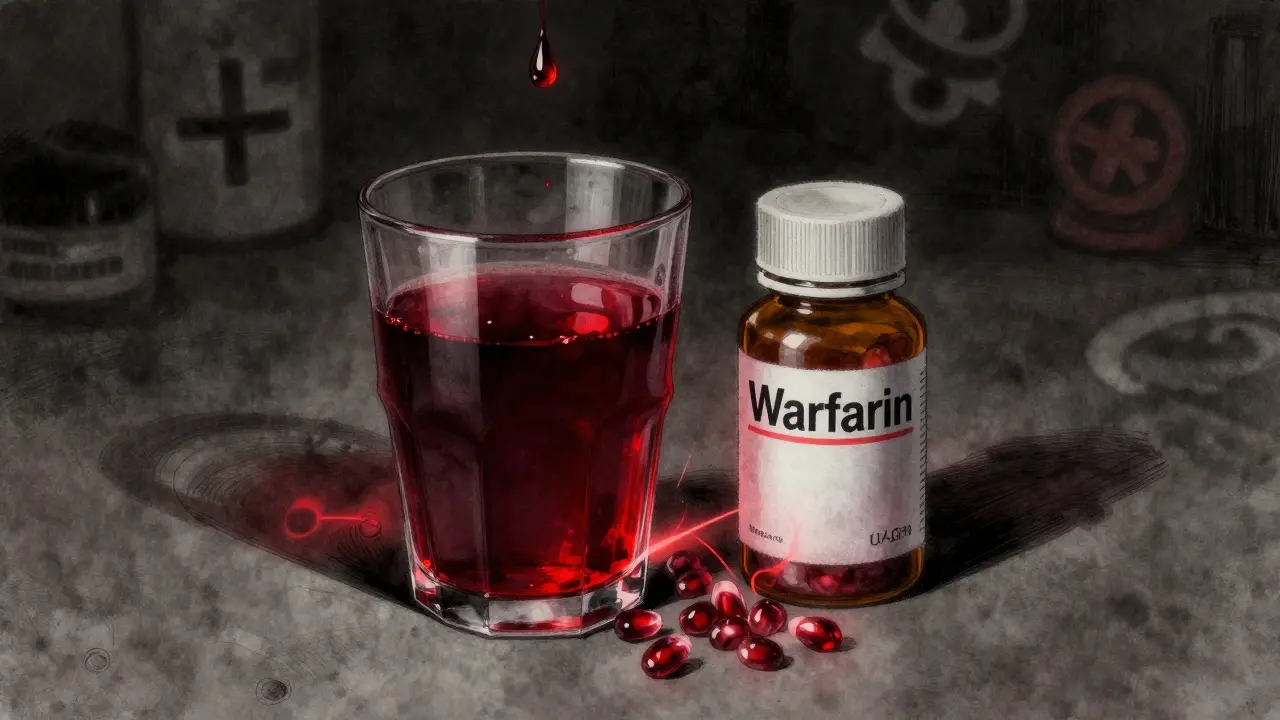
Pomegranate Juice and Medication Metabolism: What You Need to Know
Pomegranate juice may affect how your body processes medications like warfarin, statins, and antidepressants. Learn what the science says, who’s at risk, and how to stay safe without giving up your favorite drink.
Medications
10
Comments
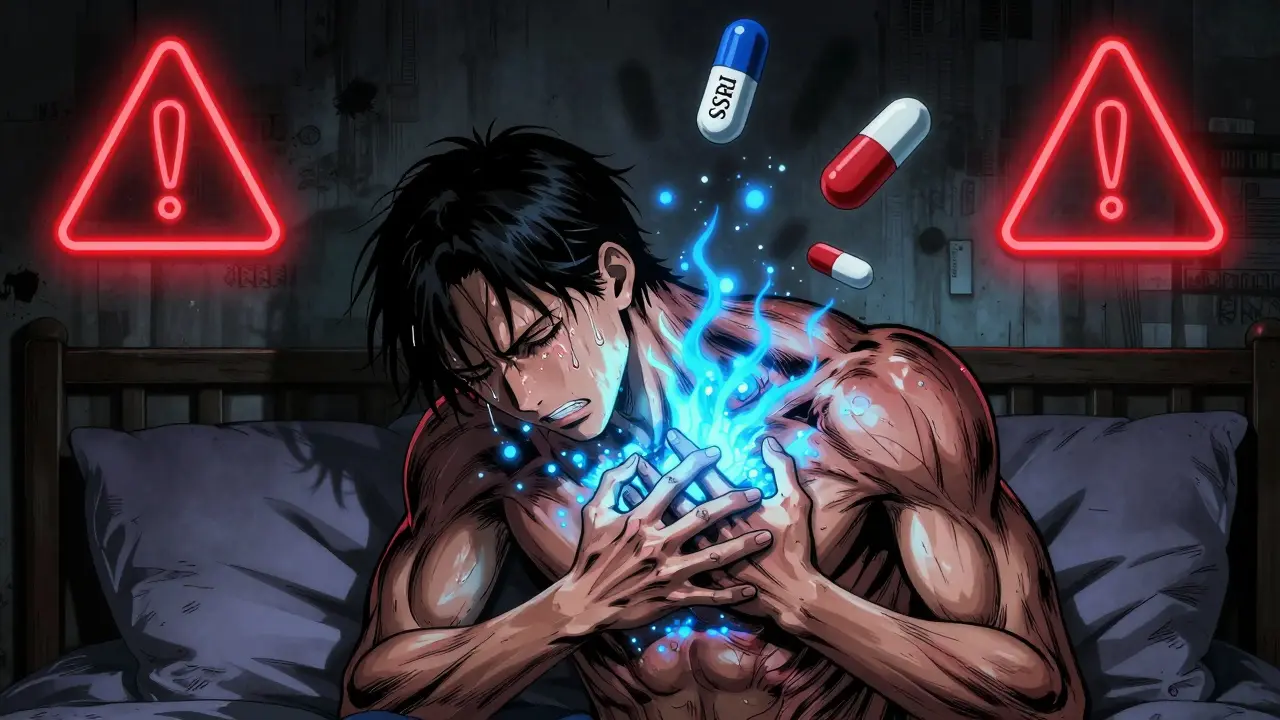
SSRIs and Opioids: How to Spot and Prevent Serotonin Syndrome
Combining SSRIs and opioids like tramadol can trigger serotonin syndrome - a life-threatening condition. Learn which drugs are safest, how to spot early symptoms, and what to do if you're at risk.
Medications
14
Comments
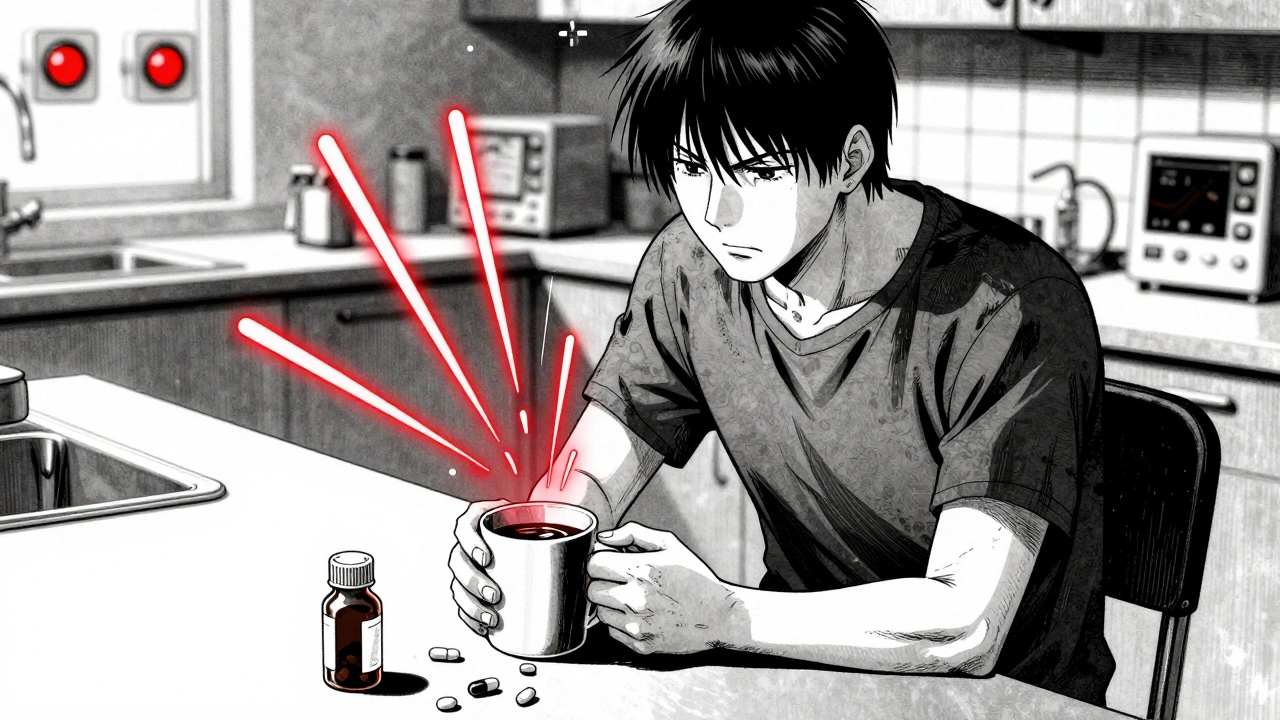
Caffeine and Medications: How Your Coffee Could Be Making Your Pills Less Effective
Caffeine can reduce the effectiveness of medications like warfarin, levothyroxine, and antidepressants-or amplify dangerous side effects. Learn which drugs interact with coffee, how to avoid risks, and what symptoms demand immediate care.
Medications
15
Comments
Drug Interactions: Same Risk for Generic and Brand Medications
Generic and brand-name drugs have the same active ingredients, so their risk of drug interactions is essentially identical. Learn what really matters - and what myths to ignore - when choosing between generics and brands.
Medications
15
Comments
St. John’s Wort and SSRIs: The Hidden Danger of Serotonin Syndrome
St. John’s Wort may seem like a safe natural remedy for depression, but combining it with SSRIs can trigger serotonin syndrome - a life-threatening condition. Learn the risks, symptoms, and what to do instead.
About
Medications, Health and Medicine
Latest Posts


Acotiamide and Pregnancy: What You Need to Know
By Orion Kingsworth May 19, 2023

Liquid Biopsy: How Circulating Tumor DNA Is Changing Cancer Monitoring
By Orion Kingsworth Feb 25, 2026

Holistic Healing Benefits for Chromosome-Positive Lymphoblastic Leukemia
By Orion Kingsworth Oct 3, 2025