Medication Safety: Avoid Dangerous Interactions and Protect Your Health
When you take a medication, you're not just dealing with one drug—you're entering a web of possible interactions, hidden risks, and silent dangers. Medication safety, the practice of using drugs in a way that minimizes harm and maximizes benefit. Also known as drug safety, it's not just about following the label—it's about understanding how your body reacts, what else you're taking, and whether your system is even designed to handle it. Too many people think if a pill is approved by the FDA or sold over the counter, it’s automatically safe. That’s not true. Even common painkillers like ibuprofen can trigger life-threatening reactions in people with asthma. Herbal supplements like St. John’s Wort can turn your antidepressant into a poison. And generics? They’re supposed to be identical to brand-name drugs, but sometimes they’re not—and the difference can be deadly.
Drug interactions, when two or more medications affect each other’s behavior in your body are one of the top causes of preventable hospital visits. Mixing sedatives like opioids and benzodiazepines can slow your breathing to a stop. Taking steroids if you have diabetes? Your blood sugar can skyrocket without warning. And it’s not just prescriptions—generic drugs, lower-cost versions of brand-name medications approved by the FDA—can vary in how they work. Some people report that switching generics caused their seizures to return, their blood pressure to spike, or their pain to come back worse than before. Why? Because bioequivalence doesn’t always mean therapeutic equivalence. The FDA says they’re the same, but your body might not agree.
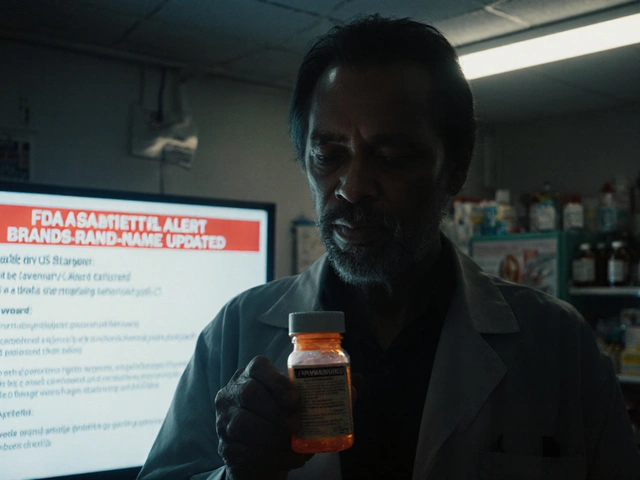
Then there’s the system itself. FDA safety alerts, official warnings issued when a drug poses a new or serious risk often come late for generics. Labels don’t update fast enough. Pharmacists don’t always know the latest. And if you don’t tell your doctor about every supplement, herb, or over-the-counter pill you take, you’re playing Russian roulette with your health. Nitrosamine contamination, steroid-induced diabetes, antibiotic-triggered C. diff, allergic reactions to generics—all of these are real, documented, and preventable. But only if you know what to look for.
What you’ll find here isn’t theory. It’s real stories, real data, and real actions people took to avoid disaster. From how to check if your generic drug is actually safe to why your allergy list might be wrong in every doctor’s system, these posts give you the tools to ask the right questions. You’ll learn what to do when your medication runs out and there’s no replacement. How to spot the early signs of bone marrow failure from a common drug. Why cleaning your inhaler matters more than you think. And how a single herb can trigger serotonin syndrome—something even some doctors still don’t recognize.
This isn’t about fear. It’s about control. You don’t need to be a pharmacist to protect yourself. You just need to know what to watch for—and what to demand from your care team. The system isn’t perfect. But you don’t have to be a victim of its gaps.
Medications
6
Comments
MedlinePlus Drug Information: Consumer-Friendly Safety Summaries
Explore MedlinePlus Drug Information, a trusted government resource for medication safety. Learn how to access consumer-friendly summaries, verify credibility, and compare it to other health tools.
Medications
14
Comments
How to Read OTC Drug Facts Labels Correctly and Confidently
Learn how to read OTC drug facts labels to avoid dangerous mistakes like double-dosing, allergic reactions, and liver damage. Know the six key sections and use the 5-Point Check to stay safe.
Medications
13
Comments
Medication Safety for Chronic Conditions: Essential Long-Term Use Tips
Long-term medication use for chronic conditions requires careful management to avoid dangerous interactions, side effects, and errors. Learn practical tips to stay safe, reduce polypharmacy risks, and improve adherence with your doctor and pharmacist.
Medications
15
Comments
Drug Interactions: Same Risk for Generic and Brand Medications
Generic and brand-name drugs have the same active ingredients, so their risk of drug interactions is essentially identical. Learn what really matters - and what myths to ignore - when choosing between generics and brands.
About
Medications
Latest Posts


Understanding Long-Term Health Impacts of Premenstrual Dysphoric Disorder
By Orion Kingsworth Jun 18, 2024

Inactive Ingredient Differences: Can Excipients Affect Safety or Efficacy?
By Orion Kingsworth Jan 10, 2026
FDA Safety Alerts: Understanding Communications About Generic Drug Problems
By Orion Kingsworth Nov 7, 2025