Bioequivalence: What It Means for Generic Drugs and Your Health
When you pick up a generic pill, you expect it to do the same job as the brand-name version. That’s where bioequivalence, the scientific standard that proves two drug formulations deliver the same amount of active ingredient at the same rate in the body. Also known as therapeutic equivalence, it’s the invisible rule that keeps your blood pressure, diabetes, or depression meds working without a hitch. Without bioequivalence, a generic could be too weak to help—or too strong and cause side effects. It’s not about price or packaging. It’s about what happens inside your body after you swallow it.
The FDA, the U.S. agency that tests and approves all prescription and over-the-counter drugs requires every generic to pass strict bioequivalence tests before it hits shelves. These tests measure how fast and how much of the drug enters your bloodstream—called AUC and Cmax. If the generic’s numbers fall within 80% to 125% of the brand’s, it’s approved. But here’s the catch: not all generics are created equal. Some fail because of differences in fillers, coatings, or how they dissolve. That’s why you sometimes notice a change in how a drug works after switching brands. The authorized generics, exact copies of brand-name drugs made by the same company but sold under a different label often perform most consistently because they use the same formula and factory.
Bioequivalence isn’t just a lab term—it’s tied to real outcomes. Take nitrosamine contamination in generics: even if a drug passes bioequivalence, impurities can still sneak in. Or look at Chinese generic production: high output doesn’t always mean high quality. The FDA has flagged dozens of foreign plants for data造假 and poor controls. That’s why some patients report sudden side effects or reduced effectiveness after switching to a new generic. It’s not in your head. It’s in the manufacturing.
What you’ll find in these posts isn’t theory—it’s what happens when bioequivalence breaks down, gets ignored, or is misunderstood. You’ll see how drug recalls happen, why some generics work better than others, and how regulators catch the ones that don’t measure up. Whether you’re taking statins, blood pressure meds, or antibiotics, knowing what bioequivalence really means helps you ask the right questions—and stay safe.

Medications
9
Comments
What is an ANDA: Abbreviated New Drug Application Explained
An ANDA is the FDA pathway that lets generic drug makers prove their products are identical to brand-name drugs - without repeating costly clinical trials. It's why 90% of U.S. prescriptions are filled with generics that cost 80-85% less.

Medications
14
Comments
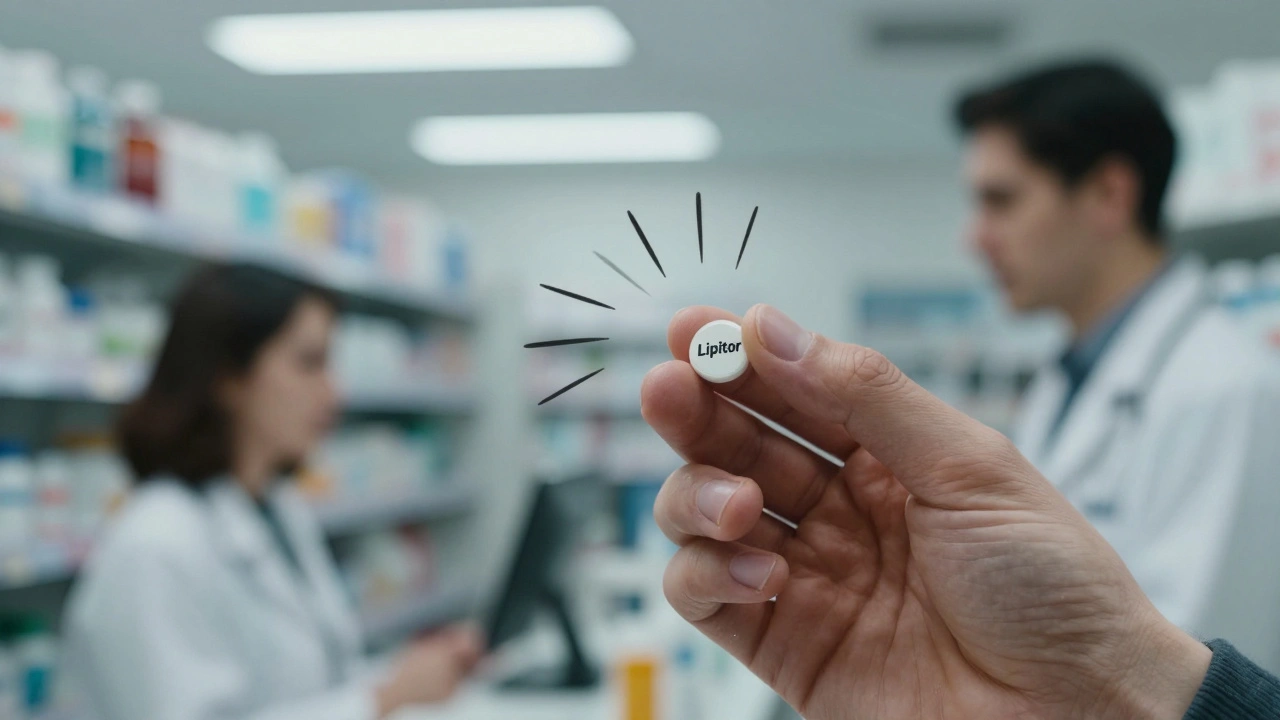
Clinical Outcomes After NTI Generic Switches: What Studies Show
Studies show that switching to generic versions of NTI drugs like warfarin, phenytoin, and cyclosporine can lead to dangerous fluctuations in drug levels. Learn what the evidence says-and what you should do if you're on one of these medications.
Medications
9
Comments
Side Effects with Generics: Are Adverse Reactions More Likely?
Generic drugs work for most people, but some report new side effects after switching. Is it the medication, the manufacturer, or your mind? Here's what the data really shows.
Medications
15
Comments
Drug Interactions: Same Risk for Generic and Brand Medications
Generic and brand-name drugs have the same active ingredients, so their risk of drug interactions is essentially identical. Learn what really matters - and what myths to ignore - when choosing between generics and brands.

Medications
11
Comments
How to Choose Between Generic Medications for the Same Drug
Learn how to choose between multiple generic medications safely. Understand bioequivalence, therapeutic ratings, and when to stick with one manufacturer to avoid health risks.
Medications
14
Comments
Therapeutic Failures: When a Generic Drug Doesn't Work as Expected
Generic drugs are supposed to be safe, affordable copies of brand-name meds - but when they fail, the results can be deadly. Learn why some generics don’t work as expected and what you can do to protect yourself.
About
Medications
Latest Posts

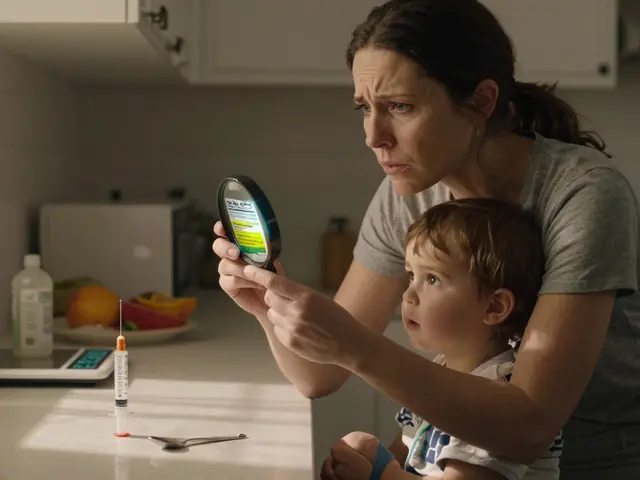
How to Read Children’s Medicine Labels by Age and Weight
By Orion Kingsworth Feb 3, 2026

Annual Savings from FDA Generic Drug Approvals: Year-by-Year Breakdown
By Orion Kingsworth Dec 10, 2025
Pomegranate Juice and Medication Metabolism: What You Need to Know
By Orion Kingsworth Feb 10, 2026
