Medication Safety in 2025: Drug Interactions, Generics, and Patient Risks
When it comes to medication safety, the practice of using drugs correctly to avoid harm while maximizing benefit. Also known as drug safety, it’s not just about taking the right pill—it’s about knowing what happens when pills mix, when generics behave differently, and when seemingly harmless choices turn dangerous. In 2025, the biggest threats weren’t new drugs—they were old habits: mixing sedatives, assuming generics are always interchangeable, and ignoring hidden allergies to common painkillers.
Generic drugs, lower-cost copies of brand-name medications with the same active ingredients. Also known as non-brand medications, they make up over 90% of prescriptions in the U.S.—but they’re not all created equal. Some generics fail to work as expected, especially for drugs with a narrow therapeutic index like warfarin or levothyroxine. Others carry hidden contaminants like nitrosamines, which triggered over 500 FDA recalls since 2018. Meanwhile, authorized generics—identical to brand-name drugs but sold under a different label—offer a middle ground many patients never hear about. And while states push generic prescribing to cut costs, those policies sometimes backfire when patients get switched too often, leading to therapeutic failures.
Drug interactions, harmful effects that happen when two or more medications react inside the body. Also known as medication interactions, they’re the silent killers in hospitals and homes alike. Combining opioids with benzodiazepines can shut down breathing. St. John’s Wort with SSRIs can trigger serotonin syndrome. Even common NSAIDs like ibuprofen can cause life-threatening asthma attacks in 7% of sufferers. These aren’t rare edge cases—they’re preventable tragedies. And when medication shortages hit, doctors scramble to find alternatives, often without knowing if the substitute carries the same risks.
By November 2025, the data was clear: patients need more than prescriptions—they need context. Whether you’re managing steroid-induced diabetes, dealing with C. diff after antibiotics, or choosing between Zyrtec and Claritin, the real danger isn’t the drug itself—it’s the lack of awareness around how it behaves in your body. The posts in this archive cover everything from hip osteoarthritis and weight loss to FDA safety alerts and Chinese manufacturing flaws. You’ll find real stories, hard numbers, and straight answers—not marketing fluff. What you learn here could keep you—or someone you love—out of the ER.

Medications
9
Comments
Combining Multiple Sedatives: The Hidden Danger of CNS Depression
Mixing sedatives like opioids, benzodiazepines, and sleep aids can cause deadly respiratory depression. Learn the real risks, who's most vulnerable, and what to do if you're on multiple CNS depressants.
Health and Medicine
9
Comments
NSAID Sensitivity and Asthma: What Patients Should Watch
About 7% of asthma patients react dangerously to common painkillers like aspirin and ibuprofen. Learn the signs of NSAID-sensitive asthma, who’s at risk, what medications are safe, and how to avoid life-threatening reactions.
Medications
15
Comments
Drug Interactions: Same Risk for Generic and Brand Medications
Generic and brand-name drugs have the same active ingredients, so their risk of drug interactions is essentially identical. Learn what really matters - and what myths to ignore - when choosing between generics and brands.

Health and Medicine
18
Comments
Medication Shortages: How to Manage When Drugs Aren’t Available
Medication shortages are a growing crisis affecting hospitals, patients, and providers. Learn how to manage when critical drugs aren’t available, what’s causing the problem, and what you can do to protect patient care.

Medications
8
Comments
Steroid Hyperglycemia in Diabetes: How to Adjust Insulin and Medications
Steroid hyperglycemia can spike blood sugar in diabetics and even trigger new-onset diabetes. Learn how to adjust insulin doses, monitor glucose, and avoid dangerous lows during steroid tapering with expert-backed strategies.
Medications
11
Comments
How to Choose Between Generic Medications for the Same Drug
Learn how to choose between multiple generic medications safely. Understand bioequivalence, therapeutic ratings, and when to stick with one manufacturer to avoid health risks.

Medications
11
Comments
OTC Allergy Relief: How to Choose the Right Antihistamine and Dose for Your Symptoms
Learn how to choose the right OTC antihistamine for your allergy symptoms-Zyrtec, Claritin, or Allegra-based on effectiveness, drowsiness, dosing, and real user experiences. Make an informed choice without guesswork.

Health and Medicine
13
Comments
C. difficile Colitis: How Antibiotics Trigger It and Why Fecal Transplants Work
C. difficile colitis is often triggered by antibiotics and can become life-threatening. Fecal microbiota transplantation offers a 90% cure rate for recurrent cases, restoring gut health where antibiotics fail.
Online Pharmacies
14
Comments
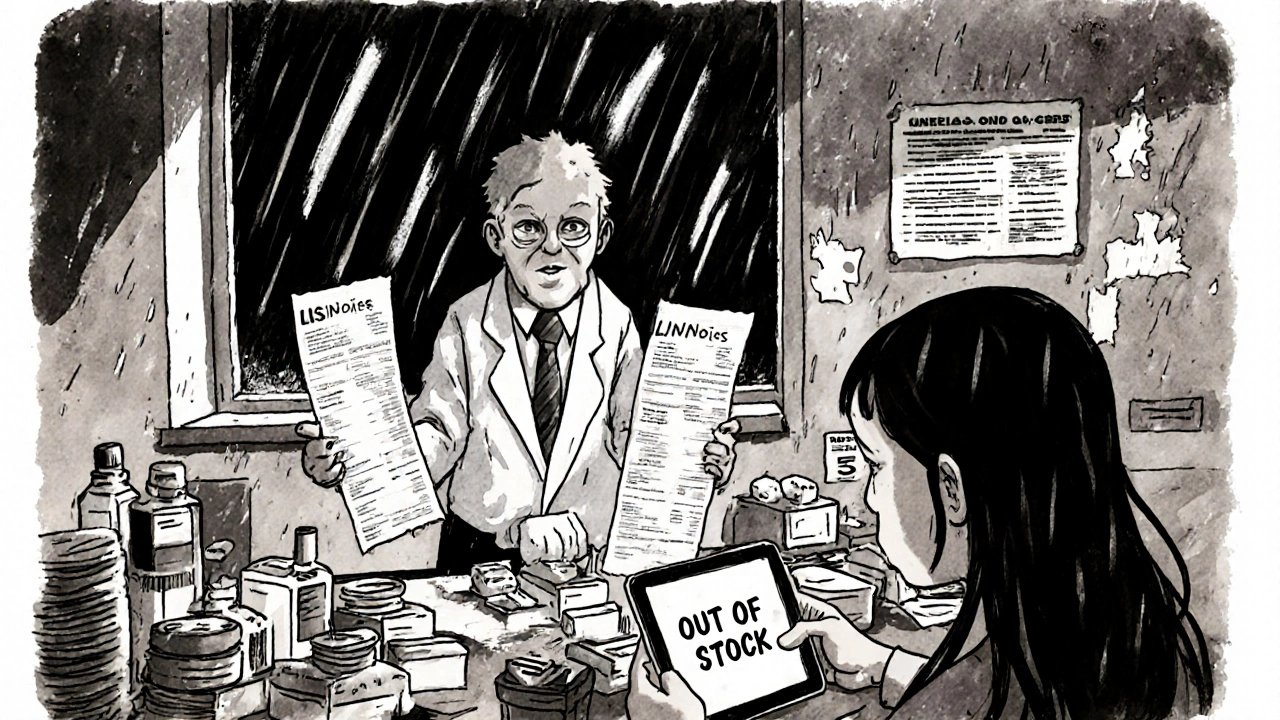
How to Handle Partial Fills and Back-Orders Without Errors in Pharmacy Operations
Learn how to manage partial fills and back-orders in pharmacies without risking dispensing errors. Real-world strategies for inventory tracking, billing, communication, and staff training to keep patients safe and satisfied.

Medications
12
Comments
New Drug Approvals 2024-2025: What’s Approved and How Safe Are They?
Explore the latest FDA-approved drugs from 2024-2025, including Alzheimer's treatments, emergency medications, and breakthrough therapies. Learn how they work and what their real-world safety profiles reveal.
- 1
- 2
- 3
About
Medications, Health and Medicine, Online Pharmacies
Latest Posts

Genetic Factors in Statin Tolerance: How Pharmacogenomics Testing Can Help You Stay on Your Medication
By Orion Kingsworth Oct 27, 2025

GERD and Acid Reflux: How PPIs and Lifestyle Changes Work Together
By Orion Kingsworth Dec 9, 2025
Pomegranate Juice and Medication Metabolism: What You Need to Know
By Orion Kingsworth Feb 10, 2026